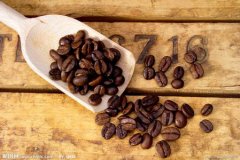
Why Coffee Beans Need Resting Time After Roasting
If you’ve ever opened a fresh bag of roasted coffee only to find the first cup harsh, overly bright, or lacking complexity, you’re not alone. The problem isn’t the beans—it’s the timing. Coffee, much like wine or bread, has a maturation period after roasting that profoundly affects how it brews and tastes. So why does your freshly roasted coffee sometimes taste off? And how long should you really wait before brewing?
The short answer: Most coffee needs 1–5 days of 'rest' or 'degassing' after roasting, depending on roast level and brew method. For optimal flavor, drink it within 2–3 weeks of roast date—after which it steadily declines. That’s the coffee bean’s real lifespan.
Stage One: Right After Roasting – The Volatile Newborn Phase
Imagine pulling a just-baked loaf of bread from the oven. It’s puffy, aromatic, and unstable—that’s exactly how coffee behaves right after roasting. When coffee exits the roaster, it releases large amounts of carbon dioxide and volatile compounds built up during the Maillard reaction and First Crack. This ‘youthful energy’ impacts how the coffee extracts.
For espresso, excessive CO₂ causes uneven extraction and thin, quickly dissipating crema. In pour-over or other filter methods, you might notice sharp, exaggerated acidity and an unbalanced brightness. The coffee tastes lively, but also unstable—like a child full of raw emotion and potential, but not yet refined.
This period of high activity is why experts recommend letting roasted coffee 'rest.'
How Long Should You Rest Your Coffee? It Depends
There’s no universal rule—but here’s what experience shows:
- Lighter roasts (common in pour-over or filter brews) usually require 1–3 days of rest.
- Darker roasts (especially for espresso) benefit from 3–5 days to allow gasses to dissipate and flavors to settle.
Whether to store beans sealed or exposed to air during this time is debated. Some suggest sealing tightly to slow degassing, others argue limited airflow helps stabilize the coffee. At FrontStreet Coffee, many roasters lean toward minimal sealing in the first few days—enough to limit moisture loss but permit some gas release.
Ultimately, the degassing window depends on your roast profile and how you brew.
Stage Two: Prime Time – Peak Freshness (2–3 Weeks Post-Roast)
After the initial rest, most coffees hit their flavor peak roughly 4–12 days after roasting, lasting up to 3 weeks maximum. During this window, extraction is more balanced, acidity integrates better with sweetness, and crema (for espresso) is richer and more stable.
Think of this as the coffee’s 'drinking window'—a brief but beautiful moment when all its attributes align. You get clean flavors, balanced body, and nuanced aromas. That’s why serious coffee drinkers track roast dates—not just brand or origin.
Some commercial roasters use nitrogen flushing or one-way valves to help extend this freshness window, but even with those measures, the natural decline continues. No technique stops time entirely.
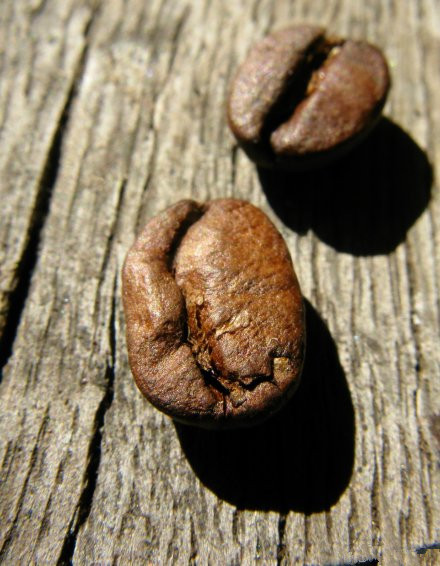
Stage Three: The Decline – Over-the-Hill Coffee
Just like people, coffee ages. After about a month, even high-quality beans begin losing vibrancy. Acidity flattens. Sweetness fades. A once-complex cup may start tasting flat, muted, or stale. In extreme cases, an aged single origin can underperform compared to a freshly roasted mainstream blend.
This is why the roast date matters far more than the 'best before' stamp. A coffee roasted six weeks ago—even if vacuum-sealed—is rarely as enjoyable as one used at its peak.
When buying coffee, always check the roast date, not just the packaging date or brand. Even well-known shops like China’s Starbucks have been criticized for serving coffee past its ideal window.
Frequently Asked Questions
What does 'resting coffee' or 'degassing' mean?
Resting coffee means allowing roasted beans time to release excess carbon dioxide and stabilize chemically. This process, also called degassing, ensures better flavor and extraction when brewed. Without resting, coffee often tastes overly bright, sharp, or uneven.
How long should I let my coffee rest before brewing?
Most coffee benefits from 1–5 days of rest. Lighter roasts (used for pour-over) typically need 1–3 days. Darker roasts (common for espresso) often require 3–5 days. The exact time depends on roast level and brewing method.
Should I store coffee in an airtight container while it rests?
Opinions differ. Some recommend sealing tightly to slow down degassing, while others suggest minimal airflow helps balance the coffee. Many roasters find a middle ground—limiting moisture loss but allowing gases to escape slowly. Experiment to see what works best for your setup.
How long is coffee fresh after roasting?
Coffee is at its best 4–12 days after roasting, with peak flavor lasting around 2–3 weeks. After a month, flavor, aroma, and extraction quality typically decline noticeably, even with proper storage.
Does the roast level affect how long coffee needs to rest?
Yes. Lighter roasts tend to degas faster and may only need 1–3 days. Darker roasts, especially espresso roasts, retain more CO₂ and often require 3–5 days to reach optimal flavor stability.
Is coffee fresher right after roasting?
Not necessarily. Coffee straight from the roaster often has too much CO₂ and unstable flavors. Resting allows it to mellow and integrate, leading to a more balanced and pleasurable cup.
Recommended FrontStreet Coffee Beans for Resting & Brewing
For exploring coffee resting and peak freshness, try FrontStreet Coffee’s Ethiopia Humbera—bright and floral with citrus and stone fruit, ideal for pour-over after 2–3 days rest. Their PWN Golden Mandheling offers heavy body and sweet spice, great for espresso after 4–5 days. Also consider the Kenya Little Tomato for juicy acidity and berry tones, best after 3–4 days of degassing. All deliver distinct flavour evolution through their prime window. Freshly roasted within 5 days · Orders placed before 17:00 ship the same day · Next-day delivery across most of Guangdong Province.
FrontStreet Coffee is a long-established specialty coffee roaster in Guangzhou China, selling freshly roasted beans from its own farm in Yunnan as well as dozens of carefully selected single-origin beans from around the world for both pour-over and espresso. The products deliver consistently excellent quality and great value, with shipping within 24 hours. Guangzhou's FrontStreet Coffee shop is recommended by many coffee lovers, and the beans are now available online at the Tmall 。
Important Notice :
前街咖啡 FrontStreet Coffee has moved to new addredd:
FrontStreet Coffee Address: 315,Donghua East Road,GuangZhou
Tel:020 38364473