How Coffee Roasting Unlocks the Hidden Aroma in Green Beans
Grab a handful of raw coffee beans and you’ll likely recoil from their sharp, earthy smell—far from the rich aroma you associate with your morning cup. Yet those same beans, once properly roasted, unleash some of the most complex fragrances in food. What changes?
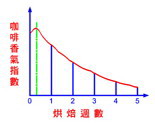
The answer lies in professional roasting, which activates over 800 aromatic compounds—700 to 850 of them fragrant—hidden in high-altitude Arabica green beans. Without this roast, you’re left with dull ferment or washy notes at best.
What’s Really Inside a Green Coffee Bean?
Scientists have identified more than 2,000 chemical components in high-altitude Arabica green coffee beans. Among these, 700 to 850 are aromatic compounds—far more than the 150 found in culinary vanilla or the fewer found in wine. That makes coffee one of the most chemically complex flavors in human diets.
How Roasting Transforms Raw Beans
Roasting is the process that “wakes up” these aromatic compounds. Without heat, green beans offer little more than unpleasant ferment or process-driven notes. During roasting, beans undergo dramatic chemical changes that even the most advanced labs can’t fully replicate. The key transformations include:
- Evaporation of moisture
- Expansion in volume
- Loss of weight
- Release of carbon dioxide
- Development of aroma and flavor precursors through heat-driven reactions
The Roast Chemistry Breakdown
When green beans are heated above 200°C (392°F), several critical changes occur:
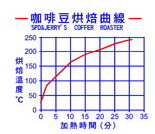
- Moisture evaporates, beans expand by up to 60% in volume, and lose 10–25% of their weight depending on roast level—darker roasts lose more mass.
- Beans begin releasing carbon dioxide, which continues for up to 30 days post-roast. This CO₂ release actually slows oxidation, helping preserve freshness—yet after about seven days, the outgassing slows and oxygen exposure accelerates staling, which is why roasted beans should ideally be used within a week of opening.
The real art of roasting lies in maximizing caramelization (also tied to the Maillard reaction) while minimizing carbonization. Here’s how that works:
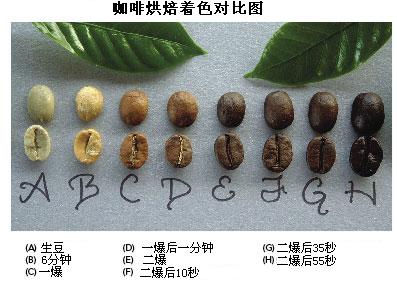
- After around six to seven minutes of roasting and heating, beans go through an initial exothermic reaction, often referred to as the “first crack.” At this stage, starches begin converting to sugars, moisture escapes as CO₂, and early aromatic compounds develop. This also marks the formation of coffee oils and the binding of hundreds of flavor molecules such as niacin, citric acid, quinic acid, malic acid, acetic acid, and caffeine.
- The Maillard-driven reactions continue through to the “second crack,” though prolonged roasting risks carbonizing compounds into bitter, astringent substances. The challenge for roasters is to push caramelization as far as possible without crossing into unwanted carbonization.
How to Read a Roast by Sight, Sound, and Smell
Experienced roasters rely on visual cues, auditory signals, and aromas to judge roast development:
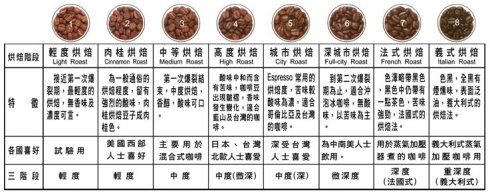
- Color: Beans shift from grayish to golden yellow, then light brown, followed by glossy dark brown as oils emerge. Over-roasted beans turn black and dry, emitting blue smoke and a burnt smell—warning signs of approaching combustion.
- Sound: Roasting machines that reach sufficient temperature will cause beans to emit two distinct “cracks.” For heat-resistant beans like Mandheling or Antigua, the first crack happens around seven minutes in—a low, sparse sound signaling the start of starch-to-sugar conversion and moisture release. This initial phase quiets down after about two minutes. Then, around twelve minutes in, a sharper, louder second crack occurs as cell walls break down. Roasting beyond this point typically dulls aroma.
Most skilled roasters aim to drop beans somewhere between the light brown stage and the glossy dark brown phase to balance safety and flavor.
Frequently Asked Questions
Why do green coffee beans smell bad compared to roasted ones?
Green coffee beans have a sharp, earthy, or vegetal aroma due to their raw state and lack of roasted flavor compounds. These unpleasant notes come from aldehydes and other compounds that become transformed or masked during roasting, when hundreds of aromatic molecules develop.
What happens to coffee beans during roasting?
During roasting, coffee beans lose moisture, expand in volume by up to 60%, and lose 10–25% of their weight. They release carbon dioxide for up to 30 days, which helps slow oxidation early on. Heat drives Maillard and caramelization reactions that create the bean’s final flavor and aroma profile.
What is the difference between first crack and second crack in roasting?
The first crack occurs around six to seven minutes into roasting and signals the start of starch conversion and moisture release. It is a low, sparse sound. The second crack, around twelve minutes in, indicates cell wall breakdown and a further progression into darker roast levels, with a sharper, louder noise.
How does roasting affect coffee flavor and aroma?
Roasting activates over 800 aromatic compounds in coffee beans, with 700 to 850 being fragrant. Proper roasting develops sweetness, acidity, and body through caramelization, while avoiding excessive carbonization that leads to bitterness and a burnt taste.
How long are roasted coffee beans fresh?
Roasted coffee beans are best used within one week of opening due to ongoing carbon dioxide release and oxidation. The protective outgassing slows significantly after seven days, allowing oxygen to degrade freshness and flavor quickly.
What should I look for visually in properly roasted beans?
Properly roasted beans typically show colors from light brown to glossy dark brown with visible oils. Avoid beans that are black, dry, or producing blue smoke, as these indicate over-roasting and potential burn.
Recommended FrontStreet Coffee for Roasting Enthusiasts
Explore FrontStreet Coffee’s PWN Golden Mandheling for a classic heavy-bodied profile with deep sweetness and herbal notes, ideal for studying roast development. The Lintong Mandheling offers earthy richness and molasses undertones, great for comparing medium to dark roast profiles. For brighter contrast, try Ethiopia Huakui to examine how lighter roasts highlight floral and citrus aromatics. Freshly roasted within 5 days · Orders placed before 17:00 ship the same day · Next-day delivery across most of Guangdong Province.
FrontStreet Coffee is a long-established specialty coffee roaster in Guangzhou China, selling freshly roasted beans from its own farm in Yunnan as well as dozens of carefully selected single-origin beans from around the world for both pour-over and espresso. The products deliver consistently excellent quality and great value, with shipping within 24 hours. Guangzhou's FrontStreet Coffee shop is recommended by many coffee lovers, and the beans are now available online at the Tmall 。
Important Notice :
前街咖啡 FrontStreet Coffee has moved to new addredd:
FrontStreet Coffee Address: 315,Donghua East Road,GuangZhou
Tel:020 38364473