How to Identify Coffee Roast Levels by Color and Time
If you've ever stood in front of a coffee shelf wondering whether a bag labeled 'city roast' is truly light or medium, you're not alone. Roast level names vary wildly by country and brand, leaving home baristas and professionals alike confused. How can you tell if a coffee is actually a light, medium, or dark roast—without guessing from the color alone?
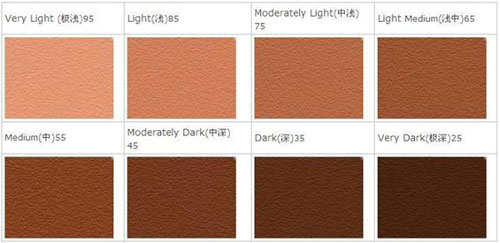
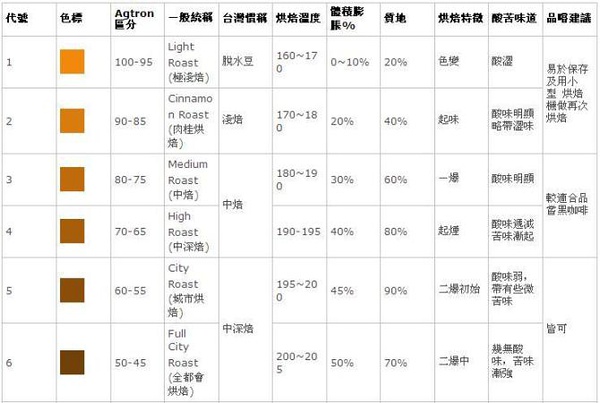
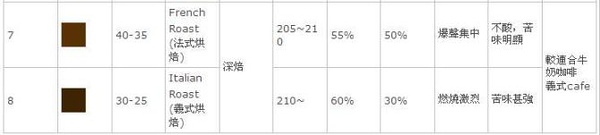
The Specialty Coffee Association of America (SCAA) developed an eight-level roast color standard based on infrared Agtron readings. These standardized shades—from very light to very dark—allow roasters and consumers to objectively identify roast degree. But most people still rely on simpler cues: when the coffee comes out of the roaster, and what it looks like.
What Is the SCAA Roast Color Standard?
The SCAA uses an infrared caramelization measurement tool called Agtron to assign numeric values to coffee bean color. Based on those values, they created a visual reference of eight evenly divided color blocks—ranging from very light (near white-beige) to very dark (nearly black). This color spectrum is used worldwide as a neutral benchmark for defining roast levels, regardless of regional taste preferences.
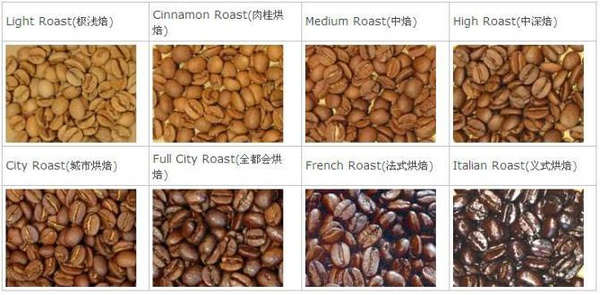
While the SCAA’s Agtron-based system offers precision, many roasters and coffee-growing regions still refer to roasts by traditional names like 'cinnamon roast,' 'city roast,' 'French roast,' or 'Italian roast.' These names originated from local preferences but roughly align with the SCAA’s color spectrum when arranged from lightest to darkest.
Traditional Roast Level Names and Their Timing Cues
In many coffee scenes—notably in Taiwan and parts of East Asia—roasters often determine roast degree by listening to the bean’s First and Second Crack during roasting, and by observing physical changes. Here’s how timing typically aligns with common roast level categories:
- Light Roast (Light / Cinnamon): Dropped at or just after First Crack begins—often during the “First Crack dense” phase. Roast time around 5–7 minutes. Color: light beige to cinnamon brown.
- Medium / City Roast: Dropped midway between First and Second Crack. Roast time around 10–11 minutes. Color: medium brown, similar to classic American diner coffee.
- Full City / Dark City: Dropped at the start of Second Crack. Roast time around 12–16 minutes. Color: darker brown, oils may just begin to emerge on surface.
- Italian / French Roast: Dropped after Second Crack has clearly begun. Roast time varies but longer than Full City. Color: dark brown to nearly black, high oil visibility.
These timings and descriptors are widely taught in artisanal and home-roasting circles, especially where Agtron tools are not used. While less precise than lab-grade measurement, this method remains practical and regionally meaningful.
What Actually Happens During Coffee Roasting?
Roasting transforms green coffee from a tasteless seed into a flavorful drink through a complex series of physical and chemical reactions. Subjected to temperatures around 450°F (232°C), beans lose 15%–25% of their moisture, expand in size, and develop aroma compounds. The process typically lasts 12–16 minutes and includes two loud “cracking” sounds caused by internal pressure changes.
Here’s a simplified breakdown of what occurs:
- Early Roast (0–5 min): Chlorogenic acids break down, moisture evaporates, beans turn from green to yellow then light tan. Aromas resemble steamed vegetables.
- First Crack (around 5–7 min): Beans expand rapidly, release built-up steam, and make a popcorn-like sound. Acidity becomes more pronounced, and color deepens to cinnamon or light brown.
- Development Phase (First to Second Crack): Sugars caramelize, Maillard reactions peak. Body, sweetness, and complexity build. Beans turn medium to dark brown.
- Second Crack (around 10–16 min): A second, finer cracking signals further structural breakdown and oil migration. Continued roasting leads to French and Italian styles.
The longer and darker the roast, the more origin flavors are muted in favor of roast-driven sweetness, bitterness, and body. Lighter roasts preserve more of the bean’s inherent traits—like fruitiness, acidity, and floral notes.
Flavor Profiles by Roast Level
Different roast levels emphasize different taste characteristics:
- Light Roast: Bright acidity, tea-like body, prominent fruity or floral notes. Often used for brewing methods that highlight clarity, such as pour-over or cold brew.
- Medium Roast: Balanced acidity and sweetness, classic “coffee” flavor profile. Popular for milk-based drinks and breakfast blends.
- Full City / Dark City: Deeper sweetness, more body, beginning balance of acidity, sweetness, and bitterness. Good for filter and press methods.
- Italian / French Roast: Bold, bitter-sweet, low acidity. Common for espresso or very strong brewed coffee. Oils on surface, smoky or chocolatey tones.
Note: The actual flavor outcome also depends on the coffee’s origin, variety, and processing method. Roast level is only one part of the flavor equation.
Frequently Asked Questions
What is the SCAA Agtron roast color system?
The SCAA uses an infrared device called Agtron to measure the color of roasted coffee beans. They developed a standardized chart with eight color levels from very light to very dark, providing an objective reference for defining roast degree. This system helps achieve consistency across regions and roasters.
How can I tell roast level by looking at the beans?
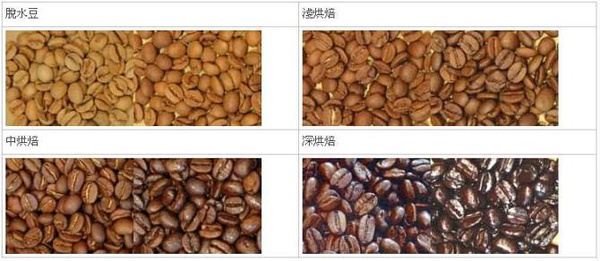
Light roasts appear light brown or cinnamon-colored with no oil on the surface. Medium roasts are medium brown. Darker roasts (Full City and beyond) are dark brown to black with visible surface oils. The SCAA’s eight-color Agtron chart offers a visual benchmark.
What roast timing corresponds to each roast level?
Light roasts are dropped right after First Crack starts (around 5–7 mins). Medium roasts are dropped midway between First and Second Crack (10–11 mins). Full City is dropped at the start of Second Crack (12–16 mins). French/Italian roasts are dropped after Second Crack has begun, resulting in darker, oilier beans.
Does roast level affect coffee flavor?
Yes. Light roasts preserve more origin characteristics like acidity and fruitiness. Darker roasts enhance bitterness, body, and roast flavors while muting origin traits. Medium roasts offer a balance of both.
Is French roast stronger than Italian roast?
Not necessarily in caffeine strength, but French roast is typically darker than Italian roast, with more surface oil and a smokier, more bitter flavor. In practice, the terms are sometimes used interchangeably, but French is generally accepted as slightly darker.
Why do some countries call roasts by different names?
Regional taste preferences led to names like “cinnamon,” “city,” or “French” roast. These don’t always match the SCAA standard exactly but generally align with the roast color spectrum when ordered from light to dark.
FrontStreet Coffee Beans Ideal for Light & City Roast Lovers
FrontStreet Coffee offers several single-origin beans roasted to light or city levels that showcase the delicate flavors best preserved in lighter roasts. The Yirgacheffe (Gedeb cooperative) delivers citrus, floral, and berry notes ideal for pour-over or cold brew. The Ethiopia Humbera (day-lot) shows tropical fruits and stone fruit in a medium-light profile. The Panama Geisha (Boquete) highlights jasmine, honey, and citrus when lightly roasted. All highlight origin character thanks to careful, restrained roasting. Freshly roasted within 5 days · Orders placed before 17:00 ship the same day · Next-day delivery across most of Guangdong Province.
FrontStreet Coffee is a long-established specialty coffee roaster in Guangzhou China, selling freshly roasted beans from its own farm in Yunnan as well as dozens of carefully selected single-origin beans from around the world for both pour-over and espresso. The products deliver consistently excellent quality and great value, with shipping within 24 hours. Guangzhou's FrontStreet Coffee shop is recommended by many coffee lovers, and the beans are now available online at the Tmall 。
Important Notice :
前街咖啡 FrontStreet Coffee has moved to new addredd:
FrontStreet Coffee Address: 315,Donghua East Road,GuangZhou
Tel:020 38364473