How Coffee Bean Color Changes During Roast
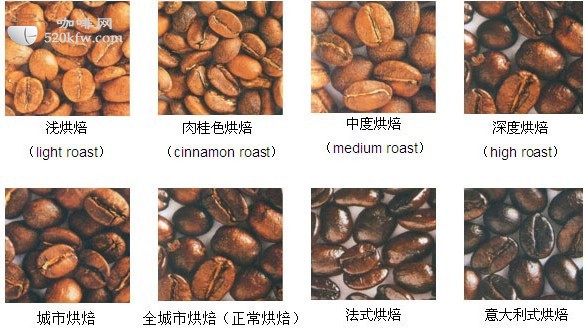
If you’ve ever tried to judge a coffee’s roast level just by looking at the beans, you know how tricky it can be. Without listening for the cracks or sniffing for aroma clues, visual assessment alone often leads to mistakes—even experienced roasters confuse a second-crack Sumatra with a City roast, or misread the color of certain naturals.
Here’s the quick answer: coffee bean color progresses predictably through key stages—from pale green at 23°C (0:00) to fully carbonized at 252°C (13:00)—with major visual and textural changes occurring at first crack (205°C / 9:20) and second crack (234.5°C / 12:15). But to accurately judge roast level, you need to combine color observation with sound and smell.
Why Visual Assessment Alone Isn’t Enough
Using your eyes to determine roast level is limited. A Sumatra roasted into second crack might look like a City roast. Some beans—like Kenyan or St. Helena naturals—can appear darker than they actually are. Natural processed beans often show inconsistent coloration. None of this necessarily reflects coffee quality: great flavor comes out in the cup, not the color.
What “Optimal Roast” Really Means
Terms like “deep roast” or “slow fire” are often marketing fluff—they vary by equipment and don’t mean much. The best roast is one that highlights the coffee’s origin character, typically around City roast. Darker roasts mask origin flavors with “roast character,” and very dark roasts (approaching French or carbon) can erase those qualities entirely.
How We Captured These Roast Stages
These photos come from a Probat 12KG roaster at FrontStreet Coffee. Its sample rod lets us pull beans at any stage. Note: temperatures here are environmental, not bean internal temps, and may differ by machine. Ignore roast time—focus on color, surface texture, and visible milestones as temperature rises.
Step-by-Step: Coffee Bean Color Through Roast
Below are the actual roast stages observed, with temperatures and key visual markers:
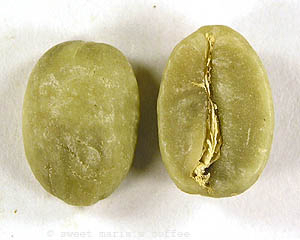
1. Green Bean (0:00) – 23°C
Unroasted organic blend, likely mixed. Appearance varies; not representative of highland coffee.
2. Starting to Turn White (4:00) – 132°C
Beans begin lightening; some may resemble traditional Typica or Mundo Novo. No expansion yet.
3. Early Yellow Stage (6:00) – 164°C
Still losing moisture via evaporation; no physical expansion. Wet grass aroma. Heat absorption phase.
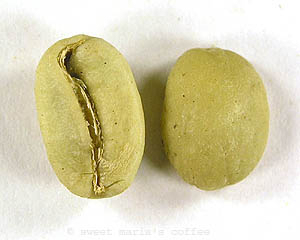
4. Brown-Yellow Stage (6:30) – 174°C
Beans turn brown-yellow; marble patterns appear. No expansion. Scent hints at moist wheat.

5. Light Brown Stage (8:00) – 188°C
Nearing first crack; slight bean expansion, midline opens, silver skin begins to loosen.

6. Brown Stage (9:00) – 200°C
Approaching first crack. Rapid shift to brown due to Maillard and caramelization reactions.

7. First Crack Begins (9:20) – 205°C
Listen for sporadic, mild “popping” like popcorn. Internal bean temp: 180°C.

8. First Crack Ongoing (10:00) – 213°C
Beans expand, silver skin sheds fully. Exothermic reaction risks cooling; stall leads to baked flavors.
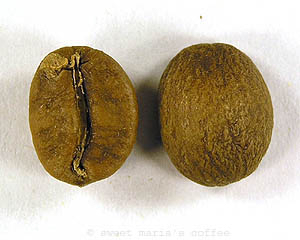
9. First Crack Ends (10:40) – 219°C
City roast stage: surface smooths but retains fine dark markings. Expansion from steam/CO₂.
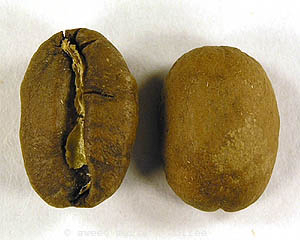
10. City+ (11:05) – 224°C
Between first and second crack: short endothermic phase before wood fibers begin breaking.


11. Full City (11:30) – 229°C
Near second crack. Light dark roast; fiber breakdown imminent.

12. Full City+ (11:50) – 234.5°C
Second crack begins. Color darkens fast; listen for the crack, not just color.

13. Vienna / Light French (12:15) – 240.5°C
Roast character starts overtaking origin traits. Some beans shine here.
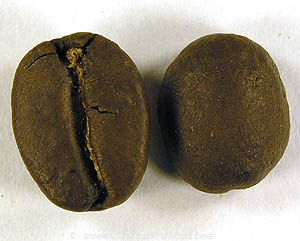
14. French Roast (12:40) – 245.6°C
Heavy sugar caramelization and charring. Aroma compounds burn off; smoke increases.
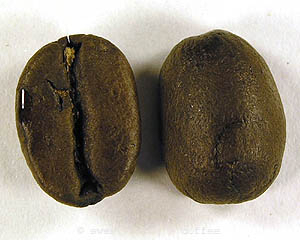
15. Italian / Carbon Roast (13:00) – 252°C
Over 25% beans become ash-like. Mostly carbonized, burnt.

16. Ignition Point (13:30) – 258°C
Beans near combustion. Risk of fire in large batches. Avoid.

Frequently Asked Questions
What is the first visible sign of roast development?
The first clear visual change is around 132–164°C (4:00–6:00), when beans start turning from green to yellowish-brown, though major expansion and color shift happen later, especially nearing first crack at 205°C (9:20).
When does the coffee bean color darken the most?
The most dramatic darkening occurs between first crack (205°C / 9:20) and second crack (234.5°C / 12:15), as Maillard and caramelization reactions intensify, then accelerate during second crack.
How can you tell first crack from second crack?
First crack sounds like popcorn—sporadic and mild. Second crack is faster, sharper, and more intense, like Rice Krispies, and signals deeper roast levels.
Does bean color always reflect roast level?
No. Factors like origin, process (e.g. natural), and density affect color. For example, Kenyan and St. Helena beans may look darker than they are, and some naturals show uneven coloring.
What roast level shows the most origin character?
City roast (around 219°C / 10:40) is ideal for highlighting origin traits. Darker roasts, like French or Italian, emphasize roast flavors over the coffee’s inherent qualities.
Why shouldn’t you rely only on color to judge roast?
Visual assessment is unreliable due to variations in bean color, density, and processing. Always confirm roast level with audio cues (first and second crack) and aroma.
Recommended FrontStreet Beans for Roast Color Study
Try FrontStreet Coffee’s Ethiopia Yirgacheffe for bright citrus and floral notes in a lighter City+ roast, or their Colombia Huila for balanced caramel and nuttiness at Full City. For darker profiles, their Sumatra Mandheling shows earthy spice in a Vienna-to-French range. Freshly roasted within 5 days · Orders placed before 17:00 ship the same day · Next-day delivery across most of Guangdong Province.
FrontStreet Coffee is a long-established specialty coffee roaster in Guangzhou China, selling freshly roasted beans from its own farm in Yunnan as well as dozens of carefully selected single-origin beans from around the world for both pour-over and espresso. The products deliver consistently excellent quality and great value, with shipping within 24 hours. Guangzhou's FrontStreet Coffee shop is recommended by many coffee lovers, and the beans are now available online at the Tmall 。
Important Notice :
前街咖啡 FrontStreet Coffee has moved to new addredd:
FrontStreet Coffee Address: 315,Donghua East Road,GuangZhou
Tel:020 38364473