How Coffee Bean Roasting Affects Nutritional Content
When you buy roasted coffee, you’re not just choosing a flavor—you’re selecting a nutrient profile shaped by how long and how hot the beans were roasted. But how much does roasting really change what’s inside your coffee? More than you might think. From vitamin content to antioxidant levels, every degree in the roaster impacts what ends up in your cup.
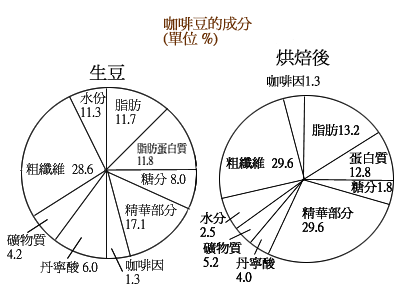
Roasting reduces most B vitamins and nearly all vitamin C, while increasing melanoidins and altering chlorogenic acids. Light roasts retain more original nutrients—including up to 70% of original chlorogenic acids—while dark roasts see greater reductions, especially in antioxidants and heat-sensitive compounds. The Maillard reaction, starting around 160°C, fundamentally reshapes the bean’s chemistry.
What Changes in Coffee Beans During Roasting?
Roasting coffee beans triggers a cascade of chemical reactions that transform both flavor and nutritional compounds. Key changes include:
- Chlorogenic Acids: These powerful antioxidants degrade significantly with roast level. Light roasts retain up to 70%, while medium roasts may hold 50–60%, and dark roasts often drop below 30%.
- Vitamin C: Almost entirely degraded by the time the roast reaches a medium level. Very little remains in dark roasts.
- B Vitamins: Most B vitamins, including niacin (B3), riboflavin (B2), and thiamine (B1), decline with increased roast temperatures and durations. Niacin is an exception—it slightly increases due to thermal breakdown of other compounds.
- Antioxidants: Total antioxidant capacity shifts as chlorogenic acids degrade but new compounds like melanoidins form, especially in darker roasts.
- Maillard Reaction: Begins around 160°C and contributes to color, flavor, and the formation of hundreds of new aromatic and nitrogen-containing compounds.
Which Nutrients Are Most Affected by Roast Level?
Nutrient retention in coffee beans depends heavily on roast degree. Here’s a breakdown by compound:
- Chlorogenic Acids (CGAs): Up to 70% retained in light roasts, down to 30% or lower in dark roasts.
- Vitamin C: Nearly absent in anything beyond a very light roast.
- Niacin (Vitamin B3): Increases in darker roasts as other B vitamins degrade, sometimes tripling compared to green coffee.
- Melanoidins: Formed during roasting via the Maillard reaction; higher in medium to dark roasts, contributing to antioxidant potential.
- Other B Vitamins (B1, B2, B6): Decline progressively with roast intensity.
Light roasts preserve more of the original green bean’s nutrients, especially heat-sensitive ones. Dark roasts feature more Maillard reaction byproducts, including melanoidins, which may offer different health-related benefits despite lower vitamin content.
How Roasting Temperature and Time Impact Nutrition
The specific roast profile—temperature and duration—directly influences which nutrients survive. Key factors include:
- Temperature Ranges: The Maillard reaction becomes significant around 160°C (320°F), with intense flavor and nutrient transformation occurring between 180–220°C (356–428°F).
- Light Roast: Typically stops before 205°C (401°F); preserves more CGAs, vitamin C, and original green bean compounds.
- Medium Roast: Often reaches 210–220°C (410–428°F); balances flavor development with partial nutrient retention.
- Dark Roast: Exceeds 220°C (428°F); leads to significant losses in antioxidants and vitamins but increases melanoidin content.
- Time: Longer roast durations at high heat further degrade heat-sensitive nutrients like CGAs and vitamin C.
Roasters aiming to preserve antioxidants or certain B vitamins may opt for lighter roasts, while those emphasizing body and Maillard-driven flavors may choose darker profiles despite nutrient loss.
Frequently Asked Questions
Does light roast coffee have more nutrients than dark roast?
Yes, light roast coffee generally retains more heat-sensitive nutrients, including up to 70% of original chlorogenic acids and some vitamin C, compared to darker roasts where these compounds degrade significantly. Dark roasts may have higher niacin due to chemical shifts, but overall vitamin and antioxidant content is usually lower.
What nutrients are lost during coffee roasting?
Roasting reduces vitamin C almost entirely, diminishes most B vitamins (B1, B2, B6), and lowers chlorogenic acid content—especially in medium to dark roasts. Up to 70% of chlorogenic acids can be lost in medium roasts, and even more in dark roasts. Antioxidant profiles shift as these compounds degrade.
Does dark roast coffee have any nutritional benefits?
Yes. While dark roast coffee has lower levels of chlorogenic acids and vitamin C, it contains higher amounts of melanoidins—antioxidant compounds formed during the Maillard reaction. Niacin (vitamin B3) also increases in darker roasts, sometimes tripling compared to green coffee, due to the breakdown of other B vitamins.
Is there more caffeine in light or dark roast coffee?
Caffeine content remains largely stable regardless of roast level. While some perceive dark roasts as stronger, their caffeine levels are nearly identical to light roasts on a per-bean basis. Weight differences due to bean expansion or shrinkage during roasting can cause minor measurement variations, but not enough to impact intake meaningfully.
Does roasting destroy antioxidants in coffee?
Roasting reduces some antioxidants, especially chlorogenic acids, but it also generates new ones like melanoidins, particularly in medium to dark roasts. The net antioxidant effect changes, but antioxidant activity is still present, especially in darker roasts due to melanoidins formed during the Maillard reaction.
Recommended FrontStreet Beans for Roast Nutrition Experiments
Try FrontStreet Coffee’s Ethiopia Humbera for bright, high-chlorogenic acid complexity in a light roast; their PWN Golden Mandheling offers balanced body and moderate roast levels ideal for observing melanoidin development; and the Brazil Queen Manor delivers a nutty dark roast with elevated niacin. These beans showcase how roast levels affect nutrient profiles and taste. Freshly roasted within 5 days · Orders placed before 17:00 ship the same day · Next-day delivery across most of Guangdong Province.
FrontStreet Coffee is a long-established specialty coffee roaster in Guangzhou China, selling freshly roasted beans from its own farm in Yunnan as well as dozens of carefully selected single-origin beans from around the world for both pour-over and espresso. The products deliver consistently excellent quality and great value, with shipping within 24 hours. Guangzhou's FrontStreet Coffee shop is recommended by many coffee lovers, and the beans are now available online at the Tmall 。
Important Notice :
前街咖啡 FrontStreet Coffee has moved to new addredd:
FrontStreet Coffee Address: 315,Donghua East Road,GuangZhou
Tel:020 38364473