How Coffee Beans Are Roasted: From Farm to Cup
Ever wondered how those green coffee beans you buy turn into the rich, aromatic grounds that make your morning brew? The journey from a bright red coffee cherry to a perfectly roasted bean involves more than just heat—it’s a carefully controlled transformation that defines your coffee’s flavor. And it all starts in Ethiopia, the birthplace of coffee.
Coffee goes through several key stages—washing, drying, roasting, and grinding—but roasting is the most crucial step in shaping flavor. In Ethiopia, even today, many small-scale roasters follow traditional methods to preserve the unique character of beans like Yirgacheffe and Harar.
The Birthplace of Coffee: Ethiopia’s Kafa Region
Ethiopia’s Kafa region is where coffee cultivation began. Local farmers noticed their cattle became unusually energetic after eating red berries from a certain bush. Those berries were coffee cherries, and the plant was cultivated intentionally—not just as food, but as a drink and even medicine. Over time, 'Kafa' became synonymous with coffee around the world.
Today, Ethiopia remains Africa’s largest coffee producer and the world’s sixth biggest. The country grows a wide range of Arabica varieties including Yirgacheffe, Harar, Sidamo, and Limu. Among these, Harar is especially prized for its bold, wine-like qualities.

Traditional Coffee Culture in Ethiopia
Coffee isn’t just a crop in Ethiopia—it’s a cultural cornerstone. Traditional Ethiopian households serve coffee two to three times a day, each session accompanied by rituals that reflect deep respect for the bean. These ceremonies help sustain Ethiopia’s long-standing coffee-growing traditions.
Despite being the origin of coffee, Ethiopia’s coffee grinders and some brewing tools were introduced by Italian occupiers in the late 19th century. Italian influence remains visible in both kitchenware and pasta dishes across the country.
From Cherry to Roast: The Journey of Coffee Beans
The coffee journey begins with the coffee cherry, which is processed using either washed or natural methods. In Ethiopia, washed processing is common and helps highlight the bean’s inherent acidity and floral notes. After processing, the green beans are sorted and prepared for roasting—the most critical step.
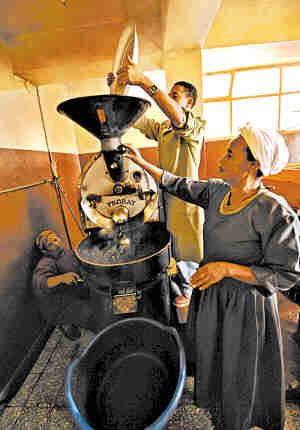
Roasting transforms green, grassy beans into the complex, aromatic ones we recognize. During roasting, chemical reactions like the Maillard reaction develop hundreds of flavor compounds. Ethiopian roasters often aim for profiles that highlight origin character, whether that’s the fruity brightness of Yirgacheffe or the spicy depth of Harar.
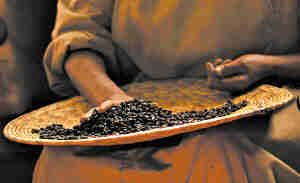
Workers carefully load green beans into roasting machines, monitor development, and then dump the beans into cooling trays to halt the roast. Skilled workers also hand-sort beans post-roast, removing any underdeveloped or scorched ones to maintain quality.
The Role of Tradition in Modern Roasting
Many Ethiopian coffee producers still adhere to the belief that 'great coffee should be as pure as a thoroughbred horse.' This philosophy keeps traditional techniques alive, even as global demand grows. Small-scale roasters focus on origin-specific profiles rather than mass-market uniformity.
To symbolize purity and strength, some Ethiopian coffee packages even feature images of horses—a nod to the country’s heritage and the revered qualities of its coffee.
Frequently Asked Questions
Where did coffee originate?
Coffee originated in Ethiopia’s Kafa region, where local farmers first domesticated the coffee plant after observing its energizing effects on livestock. The word ‘coffee’ is believed to have derived from ‘Kafa.’
What are the main steps in making coffee beans ready for brewing?

The key steps are: harvesting coffee cherries, processing (either washed or natural), drying, sorting, roasting, and grinding. Roasting is the most critical step for developing flavor.
Why is roasting so important in coffee production?
Roasting transforms green coffee beans chemically and physically, creating the flavors and aromas we associate with brewed coffee. Key reactions like the Maillard reaction occur during roasting, developing hundreds of flavor compounds.
What types of coffee are grown in Ethiopia?
Ethiopia grows many Arabica varieties, including Yirgacheffe, Harar, Sidamo, and Limu. Harar beans are especially valued for their strong, wine-like flavor profile.
Does Ethiopia still use traditional coffee-making methods?
Yes, many Ethiopian coffee farms and roasters still use traditional processing and roasting methods to preserve the unique characteristics of their beans, particularly in regions like Harar and Yirgacheffe.
What role did Italy play in Ethiopian coffee culture?
Italian occupation in the late 19th century left a legacy of Italian-style coffee equipment and pasta in Ethiopia, though coffee itself remains uniquely Ethiopian in origin and tradition.
Recommended FrontStreet Coffee for Roast Exploration
Explore Ethiopia’s coffee diversity with FrontStreet Coffee’s single origins: try the Ethiopia Yirgacheffe for bright citrus and floral notes, or the Ethiopia Guji for stone fruit and spice. For a classic Ethiopian profile, the Ethiopia Sidamo offers balanced acidity and berry tones. All are roasted to highlight origin character. Freshly roasted within 5 days · Orders placed before 17:00 ship the same day · Next-day delivery across most of Guangdong Province.
FrontStreet Coffee is a long-established specialty coffee roaster in Guangzhou China, selling freshly roasted beans from its own farm in Yunnan as well as dozens of carefully selected single-origin beans from around the world for both pour-over and espresso. The products deliver consistently excellent quality and great value, with shipping within 24 hours. Guangzhou's FrontStreet Coffee shop is recommended by many coffee lovers, and the beans are now available online at the Tmall 。
Important Notice :
前街咖啡 FrontStreet Coffee has moved to new addredd:
FrontStreet Coffee Address: 315,Donghua East Road,GuangZhou
Tel:020 38364473