How to Roast Coffee Beans at Home Like a Pro
If you’re a coffee enthusiast who already brews at home and wonders what it takes to roast your own beans, you’re not alone. With the rise of small home coffee roasters, many drinkers are taking the next step: roasting green beans themselves to unlock unique flavors and save money. But where do you start, and what actually happens during roasting?
The short answer: green coffee beans lose 30–40% of their weight during roasting due to moisture evaporation, expand in size by up to 1.5 times, and develop aroma and flavor through chemical changes—starting with fruit acids, moving to glucose, and ending with caramelized, sometimes bitter notes. Roast level determines whether the cup leans bright and acidic or deep and bitter.
What Happens When You Roast Green Coffee Beans?
Green coffee beans, often pale green or even light yellow if stored long, are hard and dense—virtually impossible to break with a hammer. They contain no roasted coffee aroma until heat is applied. During roasting, internal moisture turns to steam, creating pressure that puffs the bean and forms voids inside. This process, known in the industry as “” (moisture loss), reduces bean weight significantly while increasing volume.
How Roast Level Affects Flavor
Light roasts preserve more of the bean’s inherent acidity and fruity notes, making the cup brighter and more complex. As roast levels deepen, sugars caramelize further, acidity drops, and bitterness emerges. The progression during roasting generally follows this path: fruit acid → grape acid → glucose → caramelized and eventually burnt tones. Even beans from the same harvest can taste different year to year due to natural variations.
How to Roast Coffee at Home: Key Observations
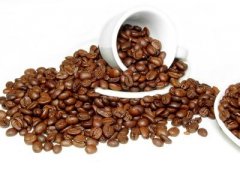
Without professional equipment, home roasters rely mainly on visual cues—specifically, the color change of the beans—to judge roast level. As beans roast, they darken from green to yellow, then light brown, and eventually dark brown or nearly black depending on the desired roast. The transformation isn’t just visual: the beans become brittle enough to grind, and when brewed, they release the flavors developed during roasting. A basic rule: lighter roasts highlight acidity, while darker roasts emphasize body and bitterness.
Frequently Asked Questions
How much weight do coffee beans lose during roasting?
During the roasting process, green coffee beans typically lose 30–40% of their weight due to moisture evaporation. This industry term is referred to as “,” meaning the beans lose water content which escapes as steam, leaving the bean lighter.
Why do green coffee beans change color when roasted?
Green coffee beans start off pale green or even light yellow if stored for a long time. As heat is applied, internal moisture turns to steam, pressure builds, and the beans expand and darken—from yellow to light brown, then to medium or dark brown depending on roast level. The color change is a key visual indicator of roast development.
Does roast level affect coffee flavor?
Yes. Light roasts tend to have stronger acidity and more fruity, bright flavors, while darker roasts develop deeper, bitter, and caramelized notes. The general flavor progression during roasting is fruit acid → grape acid → glucose → caramel, with potential for burnt tones at very high roasts.
Can I roast coffee beans at home without a professional machine?
Yes. Many coffee enthusiasts use small home coffee roasters. Without advanced tools, roasters typically judge roast level by the beans’ color change. While professional equipment offers more control, home setups can still produce flavorful results by carefully observing the roast progression.
Why do roasted beans become brittle and easier to grind?
Roasting causes moisture loss and internal structural changes. The beans lose water as steam, creating internal voids and expanding in size by up to 1.5 times. This makes the beans much more brittle after roasting, allowing them to be easily ground for brewing.
Recommended FrontStreet Beans for Home Roasting
Try FrontStreet Coffee’s Ethiopia Humbera for bright, floral notes; their Yirgacheffe offers citrus and jasmine highlights; or their Brazil Queen Manor for a nutty, chocolatey base. These single origins showcase the flavor range possible with proper home roasting. Freshly roasted within 5 days · Orders placed before 17:00 ship the same day · Next-day delivery across most of Guangdong Province.
FrontStreet Coffee is a long-established specialty coffee roaster in Guangzhou China, selling freshly roasted beans from its own farm in Yunnan as well as dozens of carefully selected single-origin beans from around the world for both pour-over and espresso. The products deliver consistently excellent quality and great value, with shipping within 24 hours. Guangzhou's FrontStreet Coffee shop is recommended by many coffee lovers, and the beans are now available online at the Tmall 。
Important Notice :
前街咖啡 FrontStreet Coffee has moved to new addredd:
FrontStreet Coffee Address: 315,Donghua East Road,GuangZhou
Tel:020 38364473