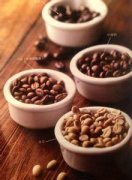
What’s Inside Raw Coffee Beans? Average Chemical Composition
Ever wondered why one coffee tastes bright and fruity while another is deep and earthy—even when both come from the same region? The answer lies hidden in the raw bean. Before roasting, every coffee bean is a complex mix of chemical compounds that determine its potential flavor, aroma, and body. Understanding what’s inside those green beans helps explain why coffee varies so much—and how roasting transforms it.
On average, raw coffee beans are made up of 12% water, 12% nitrogen substances, 12% fat, 10% sugars and dextrins, 18% other non-nitrogen materials, 4% dust, 6.7% tannins, 1.2% caffeine, and just 0.1% coffee essential oils. These figures vary by origin and bean type, which is why every coffee is unique.
What’s Really in a Green Coffee Bean?
Raw, unroasted coffee beans—also called green coffee beans—are composed of a specific set of chemical components that define their physical and sensory potential. According to data, the average chemical makeup of raw coffee beans includes:
- Water: 12%
- Nitrogen substances (proteins and related compounds): 12%
- Fat (lipids): 12%
- Sugars and dextrins: 10%
- Other non-nitrogen substances: 18%
- Dust: 4%
- Tannins (polyphenols, often referred to as chlorogenic acids in specialty coffee): 6.7%
- Caffeine: 1.2%
- Coffee essential oils (volatile aromatic compounds): 0.1%
These ratios aren’t fixed. In fact, some components—like sugars, fats, and acids—can vary significantly depending on the coffee variety, growing conditions, and processing method. This variability is a big part of what makes each origin and farm distinct.
How Roasting Transforms Coffee’s Chemistry
Roasting is where the magic happens—but it’s also where many of these original compounds change or disappear. During roasting, beans are heated in specialized drums to temperatures between 200–220°C, with constant agitation. This process can last up to 20 minutes, and ends when the beans reach a dark brown color. Some countries stop roasting earlier for a lighter profile, but the endpoint is always a matter of taste.
As the beans roast, they lose 18–22% of their weight due to water evaporation, sugar caramelization, and the breakdown of tannins and fats. At the same time, their volume can increase by up to 60%, which reduces their density. One of the key goals of roasting is to ensure even heat penetration—both inside and outside the bean.
Perhaps the most important development during roasting is the migration of coffee essential oils to the bean’s surface. These oils carry aromatic compounds, and green coffee actually contains over 600 different chemical substances that contribute to coffee’s final flavor. However, pushing the roast too hard in pursuit of more aroma can backfire: excessive heat can cause valuable compounds to volatilize, ultimately reducing the coffee’s complexity and fragrance.
How Roasters Cool Coffee Beans After Roasting
Once roasting is complete, beans must be cooled immediately to stop the cooking process. Left unchecked, beans will continue to roast from their own residual heat—a phenomenon known as “self-roasting”—which can darken them beyond the intended level.
There are three common cooling methods used by roasters:
- Water cooling: Hot beans are sprayed with water to rapidly reduce their temperature. Because coffee is highly absorbent, this method increases bean density significantly—but it’s controversial because it alters the bean’s moisture content.
- Air cooling (ambient): Beans are cooled using normal room-temperature air circulation.
- Refrigerated air cooling: Beans are cooled with chilled air for a more controlled and consistent temperature drop.
Each method affects the final weight, density, and sometimes even the flavor stability of the roasted coffee.
Frequently Asked Questions
What is the average chemical composition of raw coffee beans?
Raw coffee beans typically contain 12% water, 12% nitrogen substances, 12% fat, 10% sugars and dextrins, 18% other non-nitrogen materials, 4% dust, 6.7% tannins, 1.2% caffeine, and 0.1% coffee essential oils. These values can vary depending on the coffee variety and origin.
Why do coffee beans change so much during roasting?
Roasting triggers chemical reactions like Maillard reactions and caramelization, which break down and transform many of the bean’s original compounds—including sugars, acids, and tannins. This is why green beans don’t taste like brewed coffee.
How much weight do coffee beans lose during roasting?
Coffee beans typically lose 18–22% of their weight during roasting due to water evaporation, sugar caramelization, and the breakdown of organic compounds like tannins and fats.
Does roasting affect the caffeine content in coffee beans?
The caffeine content in raw coffee beans is around 1.2% by weight, and while small amounts may be lost during roasting, the overall caffeine percentage remains relatively stable. Most of the perceived change comes from loss of bean mass, not caffeine itself.
What are the three methods for cooling roasted coffee beans?
Roasted beans are cooled using either water cooling (with water spray), ambient air cooling, or refrigerated air cooling. Each affects the beans’ final density and flavor stability differently.
Recommended FrontStreet Beans for Exploring Raw Coffee Chemistry
Try FrontStreet Coffee’s Ethiopia Guji Humbera for bright citrus and floral notes, showcasing the impact of raw bean polyphenols and natural sugars. For a classic balanced profile, their Colombia Narino displays nutty sweetness and gentle acidity, reflecting its lipid and nitrogen balance. Their Yirgacheffe Kochere highlights floral and stone fruit tones, tied to its unique chemical makeup. All three reveal how green coffee chemistry translates into flavor. Freshly roasted within 5 days · Orders placed before 17:00 ship the same day · Next-day delivery across most of Guangdong Province.
FrontStreet Coffee is a long-established specialty coffee roaster in Guangzhou China, selling freshly roasted beans from its own farm in Yunnan as well as dozens of carefully selected single-origin beans from around the world for both pour-over and espresso. The products deliver consistently excellent quality and great value, with shipping within 24 hours. Guangzhou's FrontStreet Coffee shop is recommended by many coffee lovers, and the beans are now available online at the Tmall 。
Important Notice :
前街咖啡 FrontStreet Coffee has moved to new addredd:
FrontStreet Coffee Address: 315,Donghua East Road,GuangZhou
Tel:020 38364473