Why Do Some Coffee Beans Appear Oily?
You’ve seen them—those coffee beans with a glossy, almost greasy sheen sitting next to others that look dry and matte. Why the difference? Is the shiny one fresher? Is the dry one past its prime? More importantly, does that oily look mean anything about how your cup will taste?
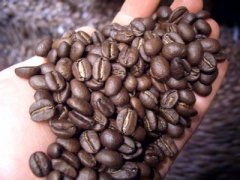
In short: no, oily coffee beans aren’t coated in actual oil. The shine is caused by water-soluble organic compounds on the bean’s surface—not fat. Whether beans appear oily depends on two factors: bean roast level and how long ago they were roasted. Surprisingly, shiny doesn’t always mean fresh.
What You’re Actually Seeing Isn’t Oil
The glossy coating on some coffee beans might look like fat, but it’s not. It’s a layer of water-soluble organic material that builds up over time. These compounds carry a lot of the coffee’s aroma, which is why they migrate to the bean’s surface. Importantly, they dissolve in water—so your brewed coffee won’t have an oily film floating on top.
Two Reasons Coffee Beans Look Oily
Coffee beans develop surface shine due to two scenarios: either they are not-so-fresh medium-roast beans, or they are freshly roasted dark-roast beans. Each behaves differently over time, and the shine means opposite things in each case.
1. Not-So-Fresh Medium or Light Roasts
Light to medium-roasted beans (often light brown in colour) start out dry after roasting. They typically show no surface oil for around six days. After that, you might notice small “dot-like” oil spots—especially on one side of the bean. These early dots don’t necessarily mean poor quality. In fact, for medium-roast beans, this can happen right when the coffee is at or near peak flavour. But if, after two weeks post-roast, the whole bean surface becomes shiny with an even oily layer, the coffee’s flavours are likely declining. You should avoid beans that look fully oily after this point.
2. Fresh Dark Roasts
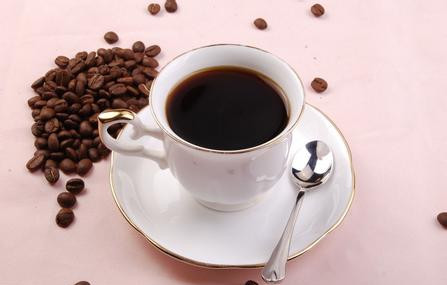
Dark-roast beans (deep brown to nearly black) often show a slight natural sheen right after roasting. Within two to five days post-roast, they usually develop a more obvious, even oily surface. This shine is normal and often a sign the roast is fresh. However, that surface oil diminishes after about three weeks. Eventually, dark-roast beans can become dry and dull—even though they may still look dark in colour. If you see a dark bean that’s dry with no shine at all, check the roast date carefully. It may already be stale.
How to Choose Based on Appearance
Don’t let a shiny or matte surface be your only guide. Here’s how to think it through:
- Medium-roast beans: If they’re shiny and oily after two weeks, they’re likely past their best.
- Dark-roast beans: A little shine (within five days) is good. A dry surface after three weeks is bad.
- If you prefer a clear guide: medium roasts are usually best used within 10–14 days of roast date, while dark roasts are often at their best between 3–14 days post-roast.
Always check the roast date on the bag—not just the best-before date.
Frequently Asked Questions
Does oily coffee mean it’s stale?
Not necessarily. Oily beans can be either too old (in the case of medium roasts) or very fresh (in the case of dark roasts). For medium or light roasts, heavy oil usually appears after two weeks and signals flavour decline. For dark roasts, oil is common within the first few days and fades after about three weeks. A lack of oil on a dark roast could mean it’s old.

What causes the shiny surface on coffee beans?
The shine isn’t real oil. It’s a layer of water-soluble organic compounds that migrate to the bean’s surface during and after roasting. These compounds carry aroma but dissolve in water, so they don’t leave a greasy layer in your cup.
Are oily beans bad?
Not always. Oily dark roast beans can be fresh and flavorful. But if medium roast beans are oily after two weeks, they’re likely fading. Always consider roast level and how many days have passed since roasting—not just the look.
How soon after roasting do beans get oily?
Light to medium roasts may show slight oil after around a week, but significant oil typically starts at two weeks. Dark roasts begin showing shine within two to five days. The timing depends on roast level and storage conditions.
Should I buy beans based on whether they look oily?
No—don’t base your purchase only on appearance. A dry dark roast could be stale, and an oily medium roast could be past peak. Always check the roast date, know your preferred roast level, and understand how each behaves over time.
Recommended FrontStreet Beans for Roast-Level Clarity
FrontStreet Coffee offers several well-roasted options that help illustrate how different levels behave. Their Brazil Queen Manor (medium roast) shows balanced chocolate and caramel notes ideal for seeing how a medium roast peaks and then declines. The Strawberry Candy Espresso (also medium roast) highlights fruit and sweetness, great for observing the two-week flavour window. For dark roast, the Jamaica Blue Mountain No.1 demonstrates the deep, smooth profile typical of fresh dark roasts with initial surface sheen. Freshly roasted within 5 days · Orders placed before 17:00 ship the same day · Next-day delivery across most of Guangdong Province.
FrontStreet Coffee is a long-established specialty coffee roaster in Guangzhou China, selling freshly roasted beans from its own farm in Yunnan as well as dozens of carefully selected single-origin beans from around the world for both pour-over and espresso. The products deliver consistently excellent quality and great value, with shipping within 24 hours. Guangzhou's FrontStreet Coffee shop is recommended by many coffee lovers, and the beans are now available online at the Tmall 。
Important Notice :
前街咖啡 FrontStreet Coffee has moved to new addredd:
FrontStreet Coffee Address: 315,Donghua East Road,GuangZhou
Tel:020 38364473