Coffee Roasting Principles and Classification Explained
When you brew a cup of coffee that tastes flat, overly bitter, or just plain wrong, the issue often starts long before your pour-over drips or your espresso shots pull. The truth? Most of what you taste in a cup of coffee comes from how the beans were roasted. Not the origin. Not the brewing method. The roast.
Coffee flavor is 80% determined by roast level. Getting it right means evenly cooking the inside and outside of the bean without burning it—and that’s the core skill every great cup depends on.
What Does Roasting Actually Do to Coffee Beans?
Roasting transforms raw green coffee beans into the aromatic, flavorful brown beans we brew. This process isn’t just about color—it develops sugars, breaks down acids, and generates the complex aromatics that define coffee. The goal is an even roast: the entire bean, inside and out, must cook uniformly without scorching. Poor roasting leads to uneven extraction, off-flavors, and a bad cup. Mastering roast balance is the roaster’s most essential task.
Core Principles of Coffee Roasting
To roast coffee properly, heat must remove moisture steadily while developing flavor compounds. If you rush the initial drying phase, the bean surface will scorch while the inside stays undercooked—resulting in bitter, astringent flavors and visible spotting. A skilled roast creates expansion, removes defects, and highlights the bean’s unique character. The best-roasted beans look smooth and evenly colored, with no wrinkles or burnt patches. The aim? Unlocking the bean’s maximum potential flavor.
How Coffee Roasts Are Classified: From Light to Dark
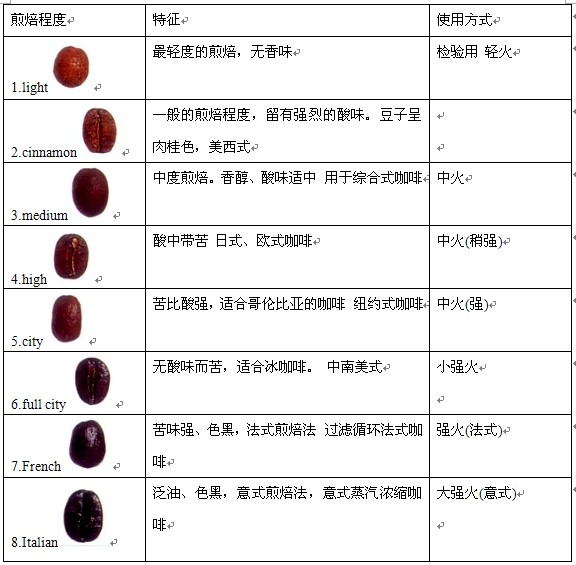
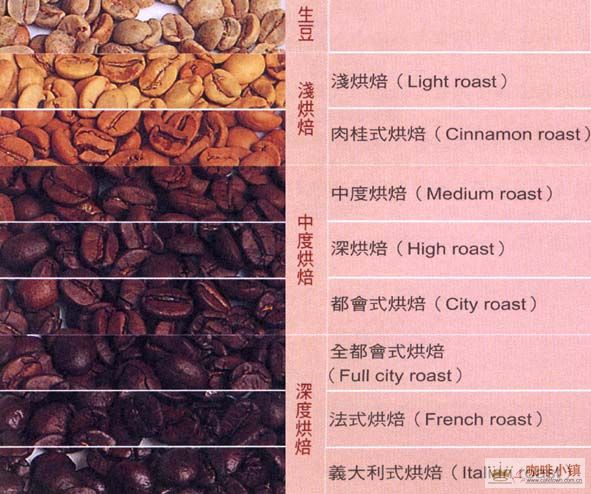
Coffee roasts fall into three broad categories—light, medium, and dark—each with multiple stages. These determine acidity, sweetness, body, and roast flavor. Here’s the standard breakdown:
| Roast Level | Characteristics | Best Use | Group |
|---|---|---|---|
| Light (1) | Very mild; almost no roast flavor | Quality testing | Light |
| Cinnamon (2) | Moderate roast; strong acidity, light brown | West Coast-style | Light |
| Medium (3) | Balanced flavor, moderate acidity and sweetness | Blended coffee | Medium |
| High (4) | More bitter than acidic; slightly stronger | Japanese/European styles | Medium (stronger) |
| City (5) | Bitter dominates; suited to Colombian beans | New York-style | Medium (strong) |
| Full City (6) | No acidity; strong bitterness | Iced coffee, Latin American beans | Medium-dark (stronger) |
| French (7) | Very dark, oily, intense bitterness | French press, filter | Dark (French style) |
| Italian (8) | Extremely dark, shiny oil, espresso-style | Espresso | Dark (Italian style) |
Regional Roasting Preferences Around the World
Different cities and countries favor distinct roast levels based on local taste traditions. In Tokyo, a slightly deeper medium (high roast) is common but trending darker. Kansai region has long preferred dark roasts. New Yorkers typically choose City roast, though the city’s diverse population means a wide range is available. Vienna favors Full City. As expected, the French prefer French roast, and Italians lean toward the dark, oily Italian style used for espresso. In recent years, many Western coffee drinkers have embraced everything from High City through dark roasts—including steam-driven espresso styles—making global roast preferences more varied than ever.
Why Roast Level Matters More Than You Think
Your coffee’s balance of acidity, sweetness, and bitterness depends directly on roast depth. A light roast preserves delicate fruity and floral notes but can taste sour or thin if brewed incorrectly. A dark roast emphasizes bold, smoky, or chocolatey flavors but risks masking origin characteristics with roastiness. Medium roasts offer the most versatility, balancing acidity and body—ideal for espresso blends and filtered methods alike. Whether you're brewing pour-over, French press, or espresso, the roast level shapes every element of the cup.
Frequently Asked Questions
What is the most common coffee roast level?
Medium roast is the most common and versatile coffee roast level. It balances acidity and bitterness, develops pleasing sweetness, and works well for both single-origin and blended coffees. Many classic coffee blends and everyday brews use medium roast for its approachable profile.
Does roast level affect coffee taste more than origin?
Yes. While origin determines inherent flavor potential, roast level has a greater impact on the final cup taste. Up to 80% of what you taste in coffee comes from how the bean is roasted. The same green coffee can taste dramatically different with a change in roast.
What’s the difference between light roast and dark roast coffee?
Light roast coffee is roasted for a shorter time, preserving acidity and origin flavors like fruit or floral notes. It appears light brown and has no oil on the surface. Dark roast is roasted longer, resulting in bold, bitter, smoky, or chocolatey flavors, a darker color, and an oily surface. It has much less acidity.
Which roast level is best for espresso?
Most espresso is made with medium to dark roasts—typically City, Full City, French, or Italian. These roasts produce heavier body, lower acidity, and more pronounced bitterness, which complement the espresso extraction process. Italian roast is especially common for traditional espresso.
What roast is cinnamon coffee?
Cinnamon roast is a light roast level slightly darker than light roast. It produces a bean with strong acidity, a light brown color, and minimal roast flavor. It’s more common in traditional Western roasting profiles and less so today.
Is French roast the darkest coffee?
French roast is very dark but not the darkest. It’s followed by Italian roast, which is darker, oilier, and has an even more intense, smoky bitterness. Italian roast is commonly used for espresso and is one step beyond French in the roasting spectrum.
Recommended FrontStreet Beans for Roast Exploration
Explore roast profiles with FrontStreet Coffee’s handpicked selections. Their Brazil Queen Manor (Yellow Bourbon) is a balanced medium roast highlighting caramel, chocolate, and nutty sweetness—great for pour-over or moka pot. For fruit-forward sweetness, try the Strawberry Candy Espresso (Geisha +Geisha + honey-processed Costa Rican): medium roast with orange, honey, and creamy body, ideal for various brew methods. Or go classic with the Jamaica Blue Mountain No.1, a medium roast that blends chocolate, nuts, and cream—showcasing how even premium beans shine at a balanced roast level. Freshly roasted within 5 days · Orders placed before 17:00 ship the same day · Next-day delivery across most of Guangdong Province.
FrontStreet Coffee is a long-established specialty coffee roaster in Guangzhou China, selling freshly roasted beans from its own farm in Yunnan as well as dozens of carefully selected single-origin beans from around the world for both pour-over and espresso. The products deliver consistently excellent quality and great value, with shipping within 24 hours. Guangzhou's FrontStreet Coffee shop is recommended by many coffee lovers, and the beans are now available online at the Tmall 。
Important Notice :
前街咖啡 FrontStreet Coffee has moved to new addredd:
FrontStreet Coffee Address: 315,Donghua East Road,GuangZhou
Tel:020 38364473