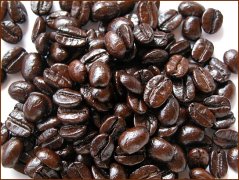
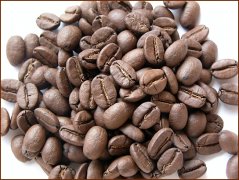
What Does Deep Roast Coffee Look Like?
When you hear 'deep roast,' you probably picture dark, oily coffee beans—but what exactly changes during the roasting process to make them look and taste that way? If you've ever wondered why some beans appear almost black or glisten with oil, or why dark-roasted coffee has such intense flavors, this visual guide explains what’s really going on inside the roast.
In short, deep roast coffee beans are roasted well beyond first crack, typically reaching internal bean temperatures between 225°C and 235°C (437°F–455°F). At this stage, the beans have lost most of their original acidity, developed a shiny surface from coffee oils rising to the surface, and taken on dark brown to nearly black coloration. This level of roast is where the Maillard reaction and caramelization are most pronounced, resulting in the bold, robust profiles coffee drinkers often associate with traditional espresso or French-style roasts.
What Is Deep Roast Coffee?
Deep roast, also called dark roast, refers to coffee beans roasted to a point where the roast flavors dominate the bean’s origin characteristics. Unlike light or medium roasts, which preserve more of the fruit, floral, or acidic notes from the coffee plant’s terroir, deep roasts emphasize roasted, caramelized, and sometimes even smoky flavors. This roast level is achieved through extended time in the roaster after the first crack, often continuing well into or past the second crack. The end result is a bean that is dark brown to black in color, with an oily surface and a bold flavor profile.
How Roasting Develops Flavor and Appearance
The journey from green coffee to deep roast involves several key chemical and physical changes. Initially, moisture evaporates and the bean expands during the first stages of roasting. Once the roast reaches roughly 200–210°C (392–410°F)—after the first crack—the Maillard reaction becomes significant, contributing to hundreds of aromatic compounds. As the roast continues, sugars caramelize, acids degrade, and the bean structure weakens. By the time the roast approaches 225–235°C (437–455°F), the beans have darkened substantially, oils migrate to the surface, and the classic dark roast flavors—such as chocolate, nuts, caramel, and toasted bread—emerge. These transformations define the deep roast profile, both visually and in the cup.
Flavor Characteristics of Deep Roast Coffee
Deep roast coffee is known for its low acidity, heavy body, and bold, often sweet-bitter flavors. Common tasting notes include chocolate, caramel, nuts, toasted bread, and dark fruit, with some beans expressing more roasted or even smoky characteristics. The extended roast time reduces the origin qualities of the bean but amplifies the roast-driven sweetness and bitterness. The perceived bitterness is not solely from caffeine but largely due to the breakdown of acids and development of bitter compounds during prolonged heat exposure. Despite this, many drinkers enjoy the deep, lingering finish and rounded mouthfeel that deep roasts provide.
Why Some Roasters—and Drinkers—Prefer Deep Roast
Supporters of deep roasting argue that the extended heat allows the Maillard reaction to fully develop the bean’s potential for roasted complexity. With more than 700 aroma compounds formed during this stage, the result is a cup with pronounced sweetness, a heavier body, and less acidity. Many classic coffeehouse espresso blends are based on deep-roasted beans for their boldness and crema-enhancing qualities. Additionally, deep roasting can mask inconsistencies in green beans or less desirable origin characteristics, leading to a more uniform taste across different batches. For those who prefer a strong, straightforward coffee experience, deep roast offers intensity and familiarity.
Examples of Deep-Roasted Coffee from FrontStreet Coffee
FrontStreet Coffee offers several deep-roasted coffees that illustrate different facets of this roast style. Their PWN Golden Mandheling is a hand-selected Indonesian single origin, triple-picked to remove defects, which helps highlight its clean, herbal-spiced backbone alongside a rich, hearty body. The Colombia Huila is a medium-dark roasted bean grown above 1500m, where the roast emphasizes its natural black cherry and berry tones while adding structural roast sweetness and a noticeable caramel note. For balanced nuttiness and cocoa, their Brazil Queen Manor is roasted to a medium-dark level to preserve some fruit character while delivering round, sweet maltiness ideal for espresso. Each demonstrates how roast level shapes flavor, even within the deep roast spectrum.
Frequently Asked Questions
What temperature is considered a deep roast?
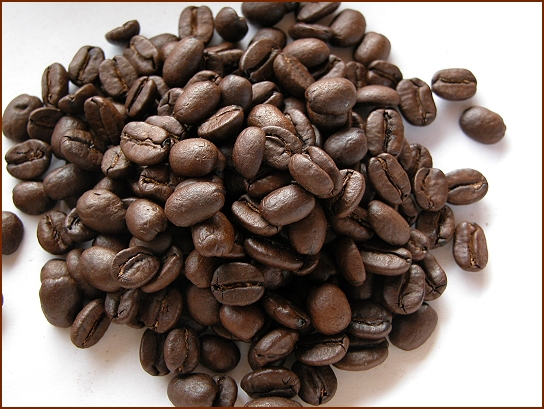
A deep roast typically begins at around 205–210°C (400–410°F) after the first crack and can go up to 225–235°C (437–455°F) or higher, often continuing through or past the second crack. At these temperatures, beans reach a dark brown to black color, develop surface oils, and express strong roast-driven flavors.
Do deep roast beans have more caffeine?
No, the caffeine content in coffee beans does not significantly change during roasting. While it may seem that darker roasts have more kick, any perceived difference is due to flavor rather than caffeine levels, which remain relatively stable regardless of roast degree.
Why are deep roast beans shiny?
The shiny or oily surface on deep roast beans is caused by coffee oils migrating from inside the bean to the surface during the extended roasting process. This usually becomes visible in medium-dark to dark roasts and is common in beans roasted to temperatures above 220°C (428°F).
Are deep roast coffees more bitter?
Yes, deep roast coffees tend to taste more bitter due to prolonged roasting breaking down acids and developing bitter-tasting compounds. However, the bitterness is balanced by roasted caramel and chocolate notes, which many drinkers find appealing.
Is dark roast better for espresso?
Dark roast is commonly used for espresso because its bold flavors, heavy body, and oiliness contribute to a rich crema and intense cup. Many classic espresso blends, including those inspired by traditional 'Mannam' style recipes, rely on dark-roasted beans for balance and texture in milk-based drinks and straight shots.
Can you taste the coffee’s origin in a deep roast?
It’s harder to discern the specific origin flavors in a deep roast because the extended roasting process masks much of the bean’s inherent fruity, floral, or acidic notes. However, some high-quality deep roasts still express subtle regional traits beneath the dominant roast characteristics.
Recommended FrontStreet Beans for Deep Roast
For deep roast enthusiasts, try FrontStreet’s PWN Golden Mandheling: a meticulously hand-sorted Indonesian coffee with clean herbal and spice notes, full body, and minimal defects. The Colombia Huila offers bright berry tones lifted by caramel and roast sweetness from medium-dark roasting at high altitude. The Brazil Queen Manor delivers smooth, nutty cocoa notes with a balanced sweetness, ideal for espresso. All showcase different dimensions of dark roasting. Freshly roasted within 5 days · Orders placed before 17:00 ship the same day · Next-day delivery across most of Guangdong Province.
FrontStreet Coffee is a long-established specialty coffee roaster in Guangzhou China, selling freshly roasted beans from its own farm in Yunnan as well as dozens of carefully selected single-origin beans from around the world for both pour-over and espresso. The products deliver consistently excellent quality and great value, with shipping within 24 hours. Guangzhou's FrontStreet Coffee shop is recommended by many coffee lovers, and the beans are now available online at the Tmall 。
Important Notice :
前街咖啡 FrontStreet Coffee has moved to new addredd:
FrontStreet Coffee Address: 315,Donghua East Road,GuangZhou
Tel:020 38364473