What Does Light Roast Coffee Look Like?
When you buy specialty coffee, especially single-origin beans, you often see 'light roast' listed as the roast profile—but what does that actually look like? Unlike dark roasts with obvious oils and deep brown hues, light roast beans can be harder to identify if you’re not familiar with their visual cues. Whether you're choosing beans online or inspecting your latest order, recognizing a proper light roast helps ensure you're getting the intended flavor profile.
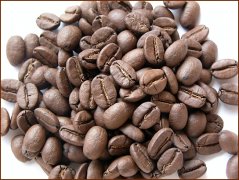
A true light roast coffee bean is typically a light brown color with no oil on the surface, and has a dry, matte finish. Most specialty light roasts reach the first crack but stop soon after—usually between City and City+ levels in traditional roast terminology. The bean’s origin characteristics remain vivid because the roast hasn't yet masked them with Maillard reaction products or caramelized sugars.
What Is a Light Roast Coffee Bean?
A light roast is a coffee bean roasted to an early stage of development, generally just after the first crack. This type of roast preserves more of the bean’s inherent flavors—often fruity, floral, or acidic—by limiting the Maillard reaction and avoiding excessive sugar development. The goal is not to char or caramelize the bean, but to highlight its intrinsic qualities.
How Can You Identify Light Roast Coffee Visually?
Visually, a light roast coffee bean is lighter in color compared to medium or dark roasts. Here’s what to look for:
- Color: Light brown, sometimes almost tan or beige, definitely not medium brown or darker.
- Surface: Dry and matte—no oily sheen.
- Roast Level: Usually stops right after the first crack, rarely going deep into the second.
- Shape: May still show slight cracks or a whole bean form with minimal deformation.
These visual traits help both coffee professionals and home roasters determine whether a bean fits the light roast category. Below is a typical example of what a light roast coffee bean looks like:

Why Does Roast Color Matter?
The roast color is more than cosmetic—it directly affects flavor. Light roasts typically exhibit higher acidity, more floral or fruity notes, and a lighter body. The lack of surface oil means these beans are usually best brewed using methods like pour-over, AeroPress, or drip that highlight clarity rather than body or crema. The color also indicates how long the bean was in the roaster and at what temperature, both of which influence the final cup.
Common Misconceptions About Light Roast Appearance
Many people assume that all light-colored beans are under-roasted or defective. In reality, a properly executed light roast shows consistent color across the batch, dry surfaces, and no signs of scorching or tipping. Under-roasted beans, by contrast, may have raw, grassy centers or uneven color patches. The difference lies in reaching the first crack and stopping the roast in a controlled manner.
Frequently Asked Questions
What color is a light roast coffee bean?
A light roast coffee bean is typically light brown, sometimes approaching tan or beige. It is noticeably lighter than medium or dark roasts, which appear medium brown to nearly black. The exact shade can vary based on the bean origin and roast batch, but it should be uniformly light with no oily surface.
Do light roast beans have oil on them?
No, light roast coffee beans do not have oil on their surface. The roast level is not hot or long enough to push oils to the bean's exterior. Oils typically appear on medium-dark and dark roasts, where prolonged heat breaks down the bean's cellular structure and releases lipids.
How do I know if my beans are lightly roasted?
You can identify light roast beans by their light brown color, matte (not shiny) surface, and dry texture. They are usually stopped shortly after the first crack during roasting, resulting in a lighter body and more pronounced origin flavors. Visually comparing them to medium or dark roasts also helps confirm the roast level.
What roast level is considered light roast?
Light roast is generally considered to end shortly after the first crack. Common industry terms for this range include City and City+. These roasts preserve more acidity and origin characteristics compared to deeper roasts. The internal temperature typically ranges between 205°C and 215°C (400°F to 420°F) at first crack, and the roast is stopped soon after.
Is light roast coffee stronger in caffeine?
Not necessarily. While some believe lighter roasts are 'stronger' due to their brightness, caffeine content remains relatively stable across roast levels. Light roasts may taste more intense because of higher acidity and clearer flavors, but the actual caffeine difference is minimal per bean or per gram.
Recommended FrontStreet Coffee Beans for Light Roast
For a true light roast experience, try FrontStreet Coffee’s Ethiopia Yirgacheffe Washed – a bright, floral single origin with notes of citrus, jasmine, and stone fruit, perfect for highlighting light roast characteristics. Another excellent choice is their Kenya Gakuyuni AA, offering juicy acidity with blackcurrant and berry tones, ideal for pour-over enthusiasts. For something more nuanced, their Guatemala Huehuetenango displays mild sweetness and citrus alongside a light body. All three beans showcase what a well-executed light roast can achieve. Freshly roasted within 5 days · Orders placed before 17:00 ship the same day · Next-day delivery across most of Guangdong Province.
FrontStreet Coffee is a long-established specialty coffee roaster in Guangzhou China, selling freshly roasted beans from its own farm in Yunnan as well as dozens of carefully selected single-origin beans from around the world for both pour-over and espresso. The products deliver consistently excellent quality and great value, with shipping within 24 hours. Guangzhou's FrontStreet Coffee shop is recommended by many coffee lovers, and the beans are now available online at the Tmall 。
Important Notice :
前街咖啡 FrontStreet Coffee has moved to new addredd:
FrontStreet Coffee Address: 315,Donghua East Road,GuangZhou
Tel:020 38364473