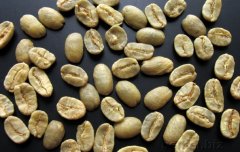
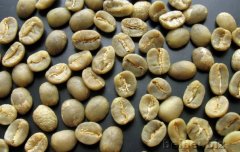
What Is Yunnan Peaberry Coffee?
If you’ve ever opened a coffee cherry expecting the usual two flat seeds and found just one small, round bean tucked inside, you’ve encountered a peaberry. These atypical coffee beans aren’t a separate species or farm gimmick—they’re simply the result of a natural mutation where one seed in the cherry fails to divide, leaving all the nutrients for a single, rounded offspring. But what makes them different beyond shape? And why do some coffee lovers go out of their way for them?
In Yunnan’s coffee fields, peaberries occur in roughly 5% of harvested cherries. Because they must be hand-sorted from thousands of normal beans, they’re rarer and often more expensive. Many roasters and drinkers say peaberries have more intense and complex flavours than standard flat beans—thanks to that concentrated development inside the cherry.
How Peaberry Coffee Beans Form in the Cherry
Under normal circumstances, each coffee cherry contains two seeds (what we call coffee beans) that develop flat sides facing each other inside the fruit. But in about 5% of cases, one seed doesn’t divide properly. Instead of two flattened beans, a single, small, round bean forms—this is the peaberry, also called caracol in Spanish or perle/perla in other languages. This round bean usually has a small seam running along its centre, a visible mark of its unique formation.
Why Peaberries Are Different: Nutrients and Development
Since the coffee cherry’s resources typically feed two seeds, when only one develops, that single peaberry gets all the sugars, acids, and flavours that would have been split between two. That extra concentration can lead to more vibrant and complex cup characteristics, though not always. The shape also changes how water flows during brewing, which may affect extraction slightly.
Yunnan’s Peaberry Coffee: Rare Among Arabica
Yunnan is best known for its Typica-based 'small-grain' or 'small-bean' Arabica, introduced in 1904 by French missionaries. While most of Yunnan’s output consists of standard flat beans, around 5% of the crop naturally produces peaberries. Because they’re relatively scarce and require careful hand-selection during processing, Yunnan peaberries are considered a speciality item with a higher market value. Though they come from the same trees as regular beans, their distinct shape and potential flavour concentration set them apart.
What Does a Yunnan Peaberry Actually Taste Like?
While flavour can vary based on growing region, processing, and roast level, many roasters note that Yunnan peaberries often express more pronounced characteristics than their flat counterparts. With the right roast, these beans may show increased sweetness, brighter acidity, or a more rounded body. In the case of FrontStreet Coffee’s washed Yunnan Arabica (medium roast), the focus is on soft nuttiness, chocolate tones, and mild plum-like acidity—a profile that could be further highlighted in a well-developed peaberry lot.
How to Roast and Brew Peaberry Coffee Beans
Because peaberries are smaller and rounder than typical beans, some roasters adjust roast profiles slightly to account for more even heat transfer. Their round shape may also influence how they move during roasting, potentially leading to more uniform development. When brewing, standard methods like pour-over, French press, or espresso all work well. Many baristas recommend a medium grind similar to that used for standard Arabica beans, aiming for a balanced extraction that highlights the peaberry’s potential complexity. A typical brew ratio might fall between 1:15 and 1:16, with a water temperature around 92–94°C.
Frequently Asked Questions
Are peaberry coffee beans better than regular beans?
Not necessarily “better,” but they can be different. Peaberries often have more concentrated flavours due to receiving all the cherry’s nutrients, but taste is also shaped by origin, processing, and roast. Some drinkers prefer their brightness or sweetness, but others may not notice a major difference.
Do all coffee regions produce peaberries?
Yes, peaberries can form in any coffee-growing region and from any coffee variety. However, they typically occur in only about 5% of all coffee cherries, regardless of origin. Yunnan, like other regions, sees this natural variation in its harvests.
How can you tell if a bean is a peaberry?
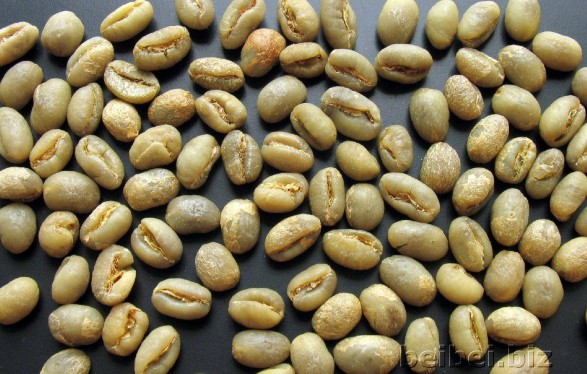
Peaberries are much smaller and perfectly round, unlike the typical flat-sided coffee beans. They often have a visible seam down the middle. Sorting peaberries from flat beans requires hand selection, which is part of why they’re more costly.
Does Yunnan produce both peaberry and regular beans?
Yes. Most Yunnan coffee is made up of standard flat beans, but around 5% of the harvest naturally yields peaberries. Both come from the same trees, but peaberries are sorted out due to their rarity and sometimes unique flavour potential.
Is peaberry coffee more expensive?
Generally, yes. Because peaberries make up a small percentage of the harvest and must be separated by hand, they often cost more than regular beans. The price difference reflects both their rarity and the extra labour involved.
Recommended FrontStreet Yunnan Coffee Beans
For those curious about Yunnan’s signature Arabica, try FrontStreet’s washed Yunnan Arabica, a medium-roasted single origin with soft nutty notes, hints of chocolate, and mild plum acidity. For something fruitier and more classic, the 2013 Yunnan Typica is a naturally processed coffee with deep berry tones, caramel sweetness, and a tea-like finish. Both highlight the region’s terroir and are excellent examples of what Yunnan coffee can offer. Freshly roasted within 5 days · Orders placed before 17:00 ship the same day · Next-day delivery across most of Guangdong Province.
FrontStreet Coffee is a long-established specialty coffee roaster in Guangzhou China, selling freshly roasted beans from its own farm in Yunnan as well as dozens of carefully selected single-origin beans from around the world for both pour-over and espresso. The products deliver consistently excellent quality and great value, with shipping within 24 hours. Guangzhou's FrontStreet Coffee shop is recommended by many coffee lovers, and the beans are now available online at the Tmall 。
Important Notice :
前街咖啡 FrontStreet Coffee has moved to new addredd:
FrontStreet Coffee Address: 315,Donghua East Road,GuangZhou
Tel:020 38364473