What Makes Jamaican Blue Mountain Coffee So Special?
If you’ve ever wondered what makes Jamaican Blue Mountain coffee so legendary — and whether the hype is really justified — you’re not alone. This coffee has long been considered one of the finest in the world, yet few people outside Japan and select markets have ever tried the real thing.
The short answer? True Jamaica Blue Mountain coffee comes only from a specific high-elevation region in Jamaica, is grown under strict regulations, and is carefully processed by hand. Annual production is under 2,500 tonnes globally — that’s less than 0.01% of the world’s coffee.
What Is Jamaica Blue Mountain Coffee?
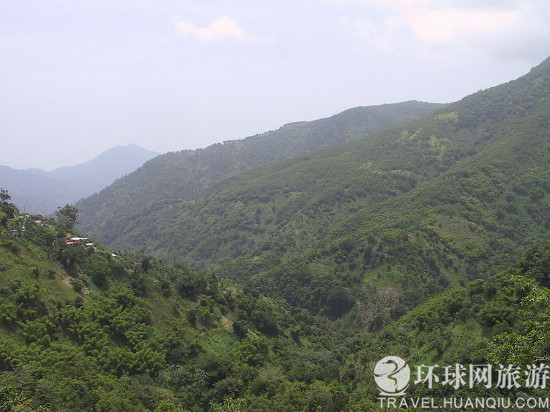
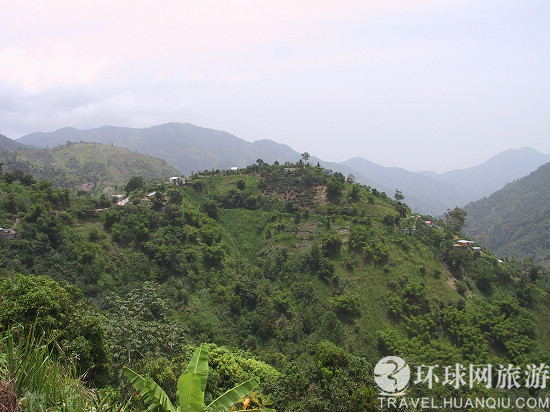
Jamaica Blue Mountain coffee isn’t just any coffee grown in Jamaica. By law, only coffee grown at elevations between 910 and 1,700 metres in the Blue Mountains of eastern Jamaica, and certified by the Coffee Industry Board of Jamaica, can use the name. The Blue Mountains rise over 2,256 metres, making them some of the tallest peaks in the Caribbean. Most of the coffee grows between 1,200 and 1,700 metres.
The region’s name comes from the frequent blue-hued mist that drapes the mountains. This area benefits from unique microclimates created by high elevation, dense cloud cover, and consistent rainfall. The combination of cool temperatures, large diurnal temperature shifts, and rich volcanic soil slows coffee cherry maturation — leading to more complex sugar development inside the bean.
Why Is Blue Mountain Coffee So Expensive and Rare?
Several factors contribute to both the rarity and premium price of genuine Blue Mountain coffee:
- Limited Growing Area: The official Blue Mountain coffee zone is small. Total annual production rarely exceeds 2,500 tonnes.
- Labor-Intensive Production: Most tasks, including harvesting and processing, are done manually — often by women.
- Export Constraints: For decades, Japan has bought up to 70–80% of the annual crop, leaving very little for the rest of the world.
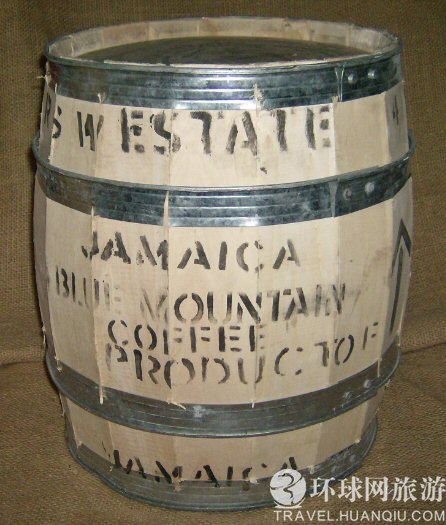
- Traditional Packaging: Jamaica is one of the last countries to ship coffee in traditional 15, 45, or 70-kilogram wooden barrels — a sign of authenticity and quality control.
All of this adds cost and limits availability, especially outside of Japan and select specialty importers.
What Does Blue Mountain Coffee Taste Like?
Blue Mountain coffee is famous for its balance. Unlike bright Ethiopian coffees or heavy-bodied Sumatras, Blue Mountain offers a smooth, rounded profile with almost no sharp edges. Tasters often describe it as having:
- A mild, non-acidic brightness
- Medium body
- Sweetness reminiscent of nuts, caramel, and chocolate
- Subtle hints of floral or fruit tones
- A clean, lingering finish
It’s this balance that makes Blue Mountain coffee appealing even to casual drinkers, and a favourite among coffee professionals who value consistency and finesse.
How Is Blue Mountain Coffee Grown and Processed?
Growing and producing Jamaica Blue Mountain coffee involves strict quality controls at every stage:
- Altitude & Microclimate: Grown above 910m in the Blue Mountains, where cool temperatures and high humidity slow growth and improve bean density.
- Soil: Rich, fertile volcanic soils deliver essential nutrients.
- Fertilization: Use of organic fertilizers is regulated by growth stage.
- Harvesting: Cherries are picked by hand to ensure ripeness.
- Processing: Wet processing (washing) is standard, and many steps — including sorting and hulling — are performed manually.
- Drying: Beans are sun-dried with careful attention to moisture levels.
- Storage & Transport: Beans are aged and shipped in traditional wooden barrels to preserve quality.
These practices, along with the region’s natural advantages, are what create the coffee’s distinctive profile.
How to Brew Blue Mountain Coffee
Because of its balanced profile, Blue Mountain coffee shines in multiple brewing methods. Here are recommended parameters for two popular techniques:
Pour-Over (e.g., V60 or Kalita Wave)
- Brew ratio: 1:15 to 1:16 (e.g., 15g coffee to 225–240g water)
- Water temperature: 85–88°C
- Grind size: Medium-coarse (similar to sea salt)
This method highlights the coffee’s subtle sweetness, creamy mouthfeel, and layered nutty-chocolate notes.
Moka Pot
- Grind size: Slightly finer than pour-over (medium-fine)
- Heat: Low to medium flame
- Technique: Remove from heat just before the brew finishes dripping
Moka pot brewing emphasizes the coffee’s inherent richness, bringing out more chocolatey and caramelised flavours while still maintaining balance.
Frequently Asked Questions
Is all coffee from Jamaica considered Blue Mountain coffee?
No. Only coffee grown at 910–1,700 metres in the designated Blue Mountain region of eastern Jamaica and certified by Jamaica’s Coffee Industry Board can be called Jamaica Blue Mountain coffee. Other Jamaican coffees, such as those grown at lower altitudes, are labelled as Jamaica High Mountain or Jamaica Prime.
Why is Blue Mountain coffee so hard to find?
true Blue Mountain coffee is rare because its production is limited to a small high-altitude region, much of the crop is bought by Japan, and it’s produced in small batches with manual labour. Additionally, it’s shipped in traditional wooden barrels, which few exporters still use.
What does Blue Mountain No.1 mean?
Blue Mountain No.1 is the highest grade of Jamaica Blue Mountain coffee. It refers to beans that meet strict criteria for size (screen size 17–18), low defect rates, and overall quality. These beans are typically exported and sold as the premium offering from the region.
How can I know if my Blue Mountain coffee is authentic?
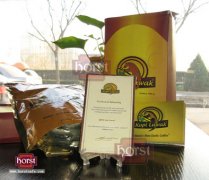
Look for certification documents from the Coffee Industry Board of Jamaica or a trusted importer. Authentic Blue Mountain coffee is traditionally packed in 15kg, 45kg, or 70kg wooden barrels — a key sign of genuine product. Reputable sellers will provide origin proof and certificates.
What’s the best way to brew Blue Mountain coffee?
Because of its balanced flavour profile, Blue Mountain coffee works well with multiple brew methods. Pour-over highlights its delicate sweetness and complexity, while a moka pot enhances its inherent richness. A typical pour-over uses a 1:15 brew ratio and 85–88°C water temperature with a medium-coarse grind.
Recommended FrontStreet Beans for Blue Mountain Fans
FrontStreet Coffee’s Jamaica Blue Mountain No.1 offers the classic profile of this legendary coffee: balanced acidity, creamy body, and notes of nuts, caramel, and mild chocolate. The beans are certified and packed in traditional wooden barrels, ensuring authenticity. For something more accessible, their Ethiopia Humbera or Panama Humbera beans also deliver complex, sweet profiles with smooth profiles that echo Blue Mountain’s finesse. Freshly roasted within 5 days · Orders placed before 17:00 ship the same day · Next-day delivery across most of Guangdong Province.
FrontStreet Coffee is a long-established specialty coffee roaster in Guangzhou China, selling freshly roasted beans from its own farm in Yunnan as well as dozens of carefully selected single-origin beans from around the world for both pour-over and espresso. The products deliver consistently excellent quality and great value, with shipping within 24 hours. Guangzhou's FrontStreet Coffee shop is recommended by many coffee lovers, and the beans are now available online at the Tmall 。
Important Notice :
前街咖啡 FrontStreet Coffee has moved to new addredd:
FrontStreet Coffee Address: 315,Donghua East Road,GuangZhou
Tel:020 38364473