What Makes Rwandan Coffee Special? African Specialty Bean Guide
If you’ve ever wondered why some African coffees taste so different—bright, juicy, with a wild vibrancy—it often comes down to origin. Rwandan coffee, especially its washed Arabica, has earned a solid reputation among specialty roasters. But what makes it consistently good, and how did a small landlocked country become a respected name in global coffee?
In short: Rwandan coffee is typically a high-quality washed Arabica, often graded via both hand selection and cupping. Its flavor profile is soft, full-bodied, and complex, with tasting notes of tropical fruit, stone fruit, and chocolate. Most recommend roasting it dark, and the common varietal is Bourbon. The country’s coffee is graded into just A, B, and C categories based on cup quality, not bean size alone.
Where Rwandan Coffee Comes From
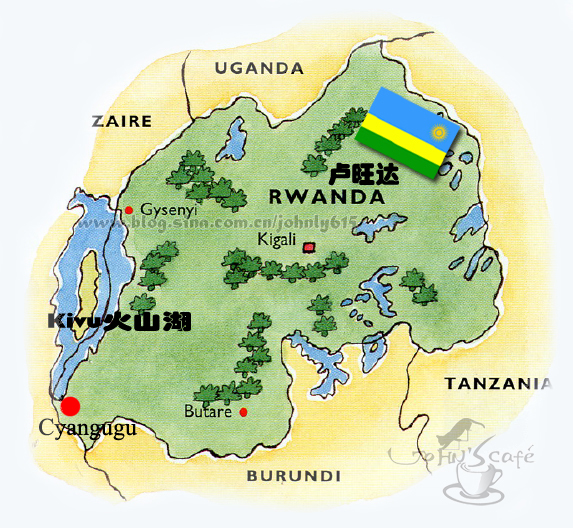
Rwanda sits near the center of Africa, just south of the equator. Though a small, landlocked country, it is home to part of the Great Rift Valley and sits on the watershed between the Congo and Nile rivers. The average elevation is around 2,700 meters, with western slopes descending sharply toward Lake Kivu and the Ruzizi River valley. This elevation is crucial: coffee thrives at altitude due to cooler temperatures and slower maturation, both of which build complexity in the cup.
Lake Kivu, one of Central Africa’s highest lakes, influences the local microclimate. The country remains developing, but under national strategies like Vision 2012 and 2020, it has invested heavily in agriculture—including coffee. The OCIR (Office des Cultures Industrielles du Rwanda), a government body under the Ministry of Trade, plays a central role in promoting specialty coffee. USAID assistance has also been instrumental in improving export quality and infrastructure.
How Rwandan Coffee Is Processed and Graded
Rwandan coffee is almost exclusively processed using the washed (wet) method. During harvest, farmers deliver ripe cherries to washing stations, where workers hand-sort them to remove unripe or damaged fruit. The beans are then depulped, fermented in cool water for 12–18 hours to remove the mucilage, and thoroughly washed. Drying takes place on raised beds with careful daily turning to ensure even moisture loss, until the beans reach a stable 14% moisture content or lower.
Grading in Rwanda differs from many other African countries. Instead of relying solely on bean size, Rwandan coffee is evaluated through both visual sorting and cupping. The national system includes only three grades: A, B, and C, with Grade A representing the highest cup quality. This focus on cup profile over appearance helps ensure that exported lots meet specialty standards.
Flavor Profile and Roasting Recommendations
Rwandan coffees are widely appreciated for their soft yet intense flavors. Dry aromas often include deep chocolate, hazelnut, persistent stone fruit, and peach. After brewing, expect wooden and creamy notes, along with spices like pepper and sweet mango-like tones. On the cupping table, tasters note a syrupy body, bright acidity, and complex layers that evolve through the sip, finishing with tea-like, lingering notes reminiscent of black tea and caramelized sweetness.
Roasters typically recommend a dark roast for Rwandan beans to emphasize their body and mellow the acidity, though some single origins shine at lighter levels too. The flavor is often described as thick and round, with vibrant fruitiness and smooth acidity. Many drinkers enjoy Rwandan coffee for its balance of intensity and clarity—a coffee that feels wild yet clean.
One specific example mentioned is the 'Gicurasi' or 'Golden Mountain' beans, 100% Bourbon variety grown at high altitudes. These beans, assessed via cupping, exhibit dense body, fruity acidity, and layered complexity. The package labels may bear markings from USAID and the cooperative system supported by OCIR, highlighting both international aid and local institutional development behind the cup.
Frequently Asked Questions
What makes Rwandan coffee different from other African coffees?
Rwandan coffee is typically washed Arabica, grown at high altitudes around 2,700 meters, resulting in bright acidity and a soft, rich body. It is graded using both visual and cupping methods, focusing on cup quality rather than just bean size. Flavors often include tropical and stone fruits, chocolate, and nuts, with a clean and balanced profile distinct from more floral or winey East African coffees like Ethiopian Yirgacheffe.
What is the coffee grading system in Rwanda?
Rwanda uses a three-tier coffee grading system: Grade A, B, and C. Unlike other African nations that grade primarily by bean size, Rwanda evaluates beans mostly through cup quality achieved via professional cupping. Grade A represents the highest cup quality, making it suitable for specialty export markets.
How should Rwandan coffee be roasted?
Most roasters recommend a dark roast for Rwandan coffee to enhance its full body and smooth out its bright acidity. However, it can also perform well with a medium or light roast, especially when aiming to highlight its inherent fruitiness and acidity. The choice often depends on the specific profile of the lot and the roaster’s intent.
What flavor notes are typical in Rwandan coffee?
Rwandan coffee commonly presents tasting notes such as chocolate, hazelnut, deep stone fruit (like peach and mango), black tea, and spice (such as pepper). The acidity is typically bright yet soft, and the body is often described as thick or syrupy, with a clean and lingering finish.
What is the main coffee variety grown in Rwanda?
The most commonly grown coffee variety in Rwanda is Bourbon. This classic Arabica variety is known for its balanced cup profile, medium body, and bright acidity. Rwandan Bourbon beans, especially those grown at high altitudes, are prized for their complexity and sweetness.
Does Rwanda export specialty coffee?
Yes, Rwanda actively promotes and exports specialty coffee. Institutions like OCIR and international aid programs like USAID have helped develop the sector by improving processing infrastructure, supporting farmer cooperatives, and emphasizing cup quality. Rwandan specialty coffee is well-regarded in global markets for its consistency and distinctive flavor profile.
Recommended FrontStreet Beans for Exploring Rwandan Flavor
For a true taste of Rwandan coffee character, try FrontStreet Coffee’s Rwanda Red Bourbon. Grown at high altitudes in the southern region, it is processed using traditional washed methods and roasted to medium-light levels to highlight its bright citrus acidity, almond sweetness, and underlying chocolate notes. It’s an excellent example of the clean, complex profile Rwandan beans are known for. Freshly roasted within 5 days · Orders placed before 17:00 ship the same day · Next-day delivery across most of Guangdong Province.
FrontStreet Coffee is a long-established specialty coffee roaster in Guangzhou China, selling freshly roasted beans from its own farm in Yunnan as well as dozens of carefully selected single-origin beans from around the world for both pour-over and espresso. The products deliver consistently excellent quality and great value, with shipping within 24 hours. Guangzhou's FrontStreet Coffee shop is recommended by many coffee lovers, and the beans are now available online at the Tmall 。
Important Notice :
前街咖啡 FrontStreet Coffee has moved to new addredd:
FrontStreet Coffee Address: 315,Donghua East Road,GuangZhou
Tel:020 38364473