Why Wild Coffee Costs More Than Gold
Coffee lovers dream of sipping a cup so rare and flavorful it feels like liquid treasure. Whether it’s the deep complexity of a high-mountain single origin or the elusive taste of a fruit-forward wild brew, certain coffees stand apart—not just for rarity, but for an unmatched sensory experience. But what makes these beans so special, and why do some cost as much as gold per gram?
The answer lies in origin, processing, and scarcity. Wild and natural coffees—grown without human intervention, picked from remote highlands, or processed through unique fermentation—can fetch over $250 per 50 grams, with top lots surpassing even Jamaica Blue Mountain in auction value.
What Makes Coffee ‘Wild’ or ‘Natural’?
Most commercial coffee is cultivated on large farms with controlled irrigation, fertilizers, and pest control. In contrast, wild coffee grows naturally in forests or high-altitude regions, relying solely on rainfall and native soil nutrients. Natural coffee refers to beans processed with the cherry left intact around the seed, allowing fermentation to develop deeper flavors. These methods create profiles unattainable through conventional farming.
The King of Coffees: Jamaica Blue Mountain
Among the most famous premium coffees, Jamaica Blue Mountain is grown above 3,000 meters in the Blue Mountains of Jamaica. It’s renowned for its balanced profile—sweet, acidic, and bitter notes perfectly harmonized. Annual production is limited to just 40,000 kilograms, with 90% reserved for Japan. Prices peak at around $350 per pound, with only minor yearly fluctuations. Genuine Blue Mountain is so sought-after that most global offerings are imitations.
Another rare brew is Indonesia’s Kopi Luwak, or civet coffee. Coffee cherries are eaten and fermented in the digestive tract of the Asian palm civet, then recovered from feces. With only 50 grams yielding four or five cups—each costing around $50—its price rivals gold. Production is extremely limited, adding to its mystique.
Hawaii’s Volcanic Wild Coffee Revolution
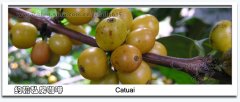
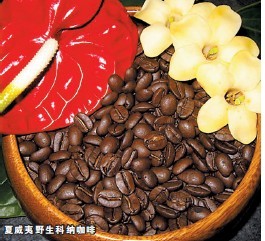
In 1995, a breakthrough occurred when Hawaiian wild coffee entered global competitions. Grown on volcanic slopes, these beans won AA++ ratings for multiple years, surpassing Blue Mountain in both score and price. Experts praise their velvety mouthfeel, medium body, and complex aromas blending wine, fruit, and spice—a reflection of Hawaii’s volcanic terroir. The beans are visually striking: large, glossy, and vibrant. Soon after, wild coffees from the Philippines, Indonesia, and Kenya emerged, often selling for $250 per 50 grams.
Wild coffee thrives at altitudes above 1,500 meters, maturing slowly with no chemical inputs. Harvesting is labor-intensive: farmers often train goats to locate ripe cherries before they fall, collecting them by hand to preserve quality. Early methods of gathering fallen fruit resulted in inferior flavor, highlighting the importance of careful timing.
The Rise of Shade-Grown and Natural Cultivation
The success of wild coffee sparked a shift toward more natural growing methods. Traditional coffee plantations rely on heavy fertilizer, pesticides, and full sun exposure to maximize yield. This accelerates ripening but reduces complexity. In response, shade-grown coffee has gained popularity: coffee plants are cultivated under native trees, mimicking forest ecosystems. Birds control pests, while leaf litter and nitrogen-fixing bacteria enrich the soil—eliminating the need for chemicals.
This approach slows growth but enhances cup quality. Key examples include:
- Ecuador’s Galápagos Islands coffee, irrigated by mineral-rich streams from a volcanic lake at 410 meters. The archipelago is a protected national park where farming is restricted to coffee, with zero chemical use.
- Kenya’s high-altitude regulations: coffee must be grown above 1,500 meters, with only two annual harvests permitted. Trained inspectors ensure only ripe cherries are picked. Smallholder farmers deliver beans to centralized washing stations for standardized processing, preserving unique flavor profiles. Kenyan naturals are celebrated for their soft yet intense cups, often dubbed “gourmet coffee.”
Frequently Asked Questions
What defines wild coffee versus regular coffee?
Wild coffee grows naturally without human planting or maintenance, often in forests or remote highland areas, and relies solely on natural rainfall and soil nutrients. Regular coffee is cultivated on farms with controlled irrigation, fertilizers, and pest management.
Why is Jamaica Blue Mountain coffee so expensive?
Jamaica Blue Mountain is grown at elevations above 3,000 meters with strict quality controls. Annual production is limited to 40,000 kilograms, with 90% exported to Japan. Its balanced flavor profile and scarcity drive prices up to $350 per pound.
What is Kopi Luwak, and why is it so costly?
Kopi Luwak, or civet coffee, is made from beans fermented in the digestive system of the Asian palm civet. Only 50 grams (about four to five cups) are produced per batch, with each cup valued at around $50. Extreme rarity and unique processing justify its premium price.
How does shade-grown coffee improve flavor?
Shade-grown coffee is cultivated under native tree canopies, reducing sun exposure and mimicking natural ecosystems. Birds control pests, and leaf litter enriches the soil without chemicals. This slow-maturing process enhances complexity and sweetness in the cup.
Where can I find authentic wild or natural coffee?
Authentic wild coffees often appear in specialty auctions or select roasters. Look for beans labeled as “wild,” “natural process,” or “shade-grown,” and check origin details—Hawaii, Kenya, and Ecuador are known for high-quality examples. Always verify sourcing transparency.
What makes Kenyan coffee unique among natural varieties?
Kenyan coffee is grown above 1,500 meters with strict harvest regulations. Only ripe cherries are handpicked, and beans undergo centralized washing for consistency. The resulting cups are known for their soft acidity and rich body, often described as “gourmet” or “wine-like.”
FrontStreet Coffee Beans for Wild Coffee Fans
Explore FrontStreet Coffee’s Ethiopia Humbera for vibrant floral and citrus notes, or Kenya Little Tomato with bold blackcurrant and winy brightness—both highlight natural processing. For a smoother, wine-infused cup, try Panama Humbera’s stone fruit and jasmine layers. All showcase the complexity of origin-focused, minimally processed beans. Freshly roasted within 5 days · Orders placed before 17:00 ship the same day · Next-day delivery across most of Guangdong Province.
FrontStreet Coffee is a long-established specialty coffee roaster in Guangzhou China, selling freshly roasted beans from its own farm in Yunnan as well as dozens of carefully selected single-origin beans from around the world for both pour-over and espresso. The products deliver consistently excellent quality and great value, with shipping within 24 hours. Guangzhou's FrontStreet Coffee shop is recommended by many coffee lovers, and the beans are now available online at the Tmall 。
Important Notice :
前街咖啡 FrontStreet Coffee has moved to new addredd:
FrontStreet Coffee Address: 315,Donghua East Road,GuangZhou
Tel:020 38364473