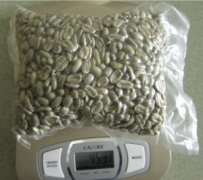
How to Handpick Green Coffee Beans for Even Roasting
Ever wonder why your carefully roasted coffee batch turned out patchy—some beans bright and balanced, others baked or bitter? The issue often starts long before the roaster, right at the sorting table. Uneven bean size, color, and density lead to inconsistent roasting, no matter how skilled the roaster. Defects like stones, insect-damaged beans, or underripe seeds silently sabotage flavor. If you’ve ever cupped a brew that left your tongue numb or tasted flat and funky, chances are hidden flaws in the green beans were to blame.
To achieve an even roast and avoid off-flavors, you should handpick green coffee beans to remove defects and ensure uniform size, color, and shape. On average, high-quality lots may still contain around 20% defects, while lower-grade beans like some naturals can exceed 40%. Removing these before roasting is essential for a clean, balanced cup.
Why Bean Uniformity Matters in Roasting
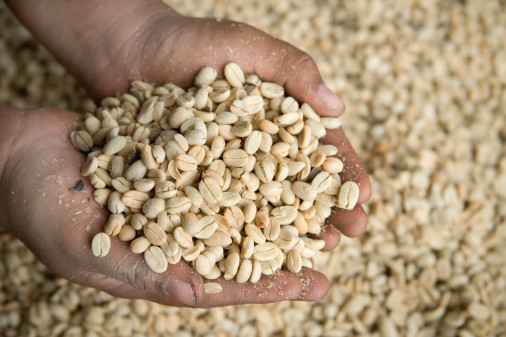
Roasting isn’t just about applying heat—it’s about applying it evenly. Mixing large and small beans, or thick- and thin-walled ones, leads to uneven heat transfer. Thicker beans, like those from high-altitude regions, resist heat more than thinner ones. If you roast them together, the smaller or thinner beans may over-roast while the larger ones remain under-developed inside—a problem called “center-core” roasting. Visually fine on the outside, these beans often taste harsh or astringent due to uneven extraction.
The size of the bean also correlates with flavor potential. While origin markets like Scandinavia often buy smaller beans (sieve size 13–16) for cost and consistency, larger beans from the same tree typically roast and cup better. Big, well-grown beans tend to have fuller bodies and more complex flavors. That said, extremely large beans—like Maragogype (screen size 19+), also known as elephant beans—should be sorted separately, not because they’re defective, but to prevent roasting inconsistency.
Color, Shape, and Density: Visual Clues of Quality
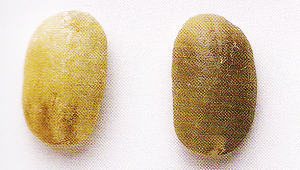
Consistent color indicates even moisture content, which is critical for even roasting. Greenish beans hold more moisture, while brownish or whitish ones are drier. Aim for a uniform batch to avoid baking some beans while others remain raw.

Bean density and shape also affect cup quality. Thick-fleshed beans, common in washed Arabicas from Kenya, Colombia, and Tanzania, often produce richer, more nuanced extractions. These beans resist heat during roasting but respond well to careful development, yielding bright, layered flavors. In contrast, thin beans tend to produce flatter cups.
The bean’s center cut (the longitudinal groove) should be clear and defined. Silver skin that’s bright silver—rather than brownish—signals well-handled, properly dried beans. Dull or discolored silver skin can point to natural-process beans with inconsistent drying or outright defects.

Common Coffee Defects You Can Spot by Hand
Handpicking removes foreign matter and defective beans that machines miss. Key defects include:

- Unripe beans: Picked too early, they taste sour or foul and ruin cup balance.
- Black beans: Overripe and fermented, often from falling on the ground; they add rot-like off-notes.
- Shell beans: Split along the center line, they roast unevenly and may catch fire during roasting.
- Bug-bitten beans: Damaged by insects; they cause off-flavors and cloudy brews.
- Stinkers (fermented or moldy beans): Often smell foul and taste musty or moldy.
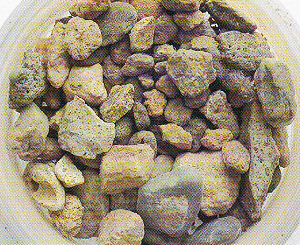
- Cherry pits or stones: Natural in dry-processed lots; they damage grinders and disrupt roast evenness.
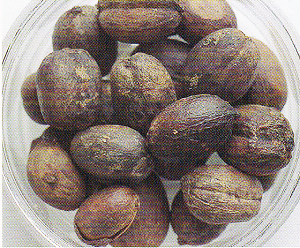
- Shells or husks: Leftover bits of the inner fruit skin; they cause bitterness and astringency.
- Broken or cracked beans: Roast unevenly and may over-extract.
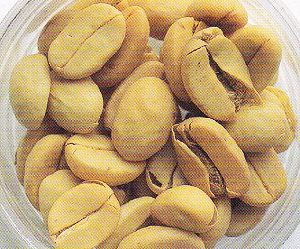
- Over-dried beans ("cocoa beans"): Smell earthy or iodine-like; a hallmark of poorly managed natural process.
Foreign objects like wood chips, coins, glass, and even stones often sneak into lots, especially in dry-processed or hand-harvested coffees. Water-washed coffees usually have fewer stones but can still carry other defects.
How to Handpick Green Coffee Beans: Step by Step
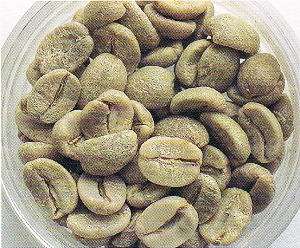
Hand sorting happens both pre- and post-roast, but the pre-roast stage is critical. Here’s how to do it effectively:
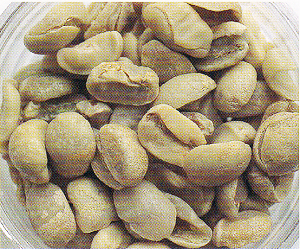
- Place a small, manageable amount of green beans on a tray or flat surface.
- Visually inspect and manually remove any defective or non-uniform beans.
- Examine beans from multiple angles—turn them over, inspect both sides, and scan from right to left.
- Repeat the process consistently across the entire lot.
- Track how many defective beans you find to gauge the overall lot quality.
This method removes the majority of flaws that lead to off-flavors, uneven roasts, and poor extractions. While time-consuming, it’s the most reliable way to ensure your roast is free from defects that no amount of roasting skill can fix.
Frequently Asked Questions

Why is hand sorting green coffee beans necessary?
Hand sorting removes defective beans—like unripe, black, insect-damaged, or moldy beans—and foreign materials such as stones or sticks. These defects cause off-flavors, uneven roasting, and inconsistent extractions that even skilled roasting can’t mask. It ensures a cleaner, more balanced cup.
What are the most common coffee bean defects?
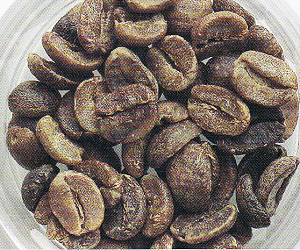
Common defects include unripe beans (sour taste), black beans (fermented/rotten), shell beans (split and prone to burning), bug-bitten beans (insect damage), stinkers (moldy/fermented), stones, shells, broken beans, over-dried beans (earthy/iodine notes), and husk fragments. Each negatively affects flavor or roast consistency.
Does bean size really affect roast quality?
Yes. Large and small beans roast at different rates due to variations in density and moisture. Roasting them together often results in uneven development, such as under-roasted centers in larger beans or over-roasted smaller ones—commonly called “center-core” roasting—which leads to bad flavors.
How many defects are normal in green coffee?
High-quality specialty lots may have around 20% defects, while lower-grade or natural processed coffees can exceed 40%. Removing these before roasting is crucial for achieving a balanced and flavorful extraction.
Can’t a roaster just fix defects during roasting?
No. Roasting can’t fix structural or chemical flaws from defective beans. Uneven moisture, insect damage, or mold cannot be corrected by heat. Consistent, high-quality green beans are essential for a good roast and cup.
How do I identify unripe or defective beans by hand?
Look for beans that are unusually small, pale, or have a shriveled, cracked, or off-color appearance. Unripe beans often feel lighter, have a tight or undeveloped crease, and may be greenish. Defects like stones, black beans, or insect damage are usually visible upon close inspection.
Recommended FrontStreet Beans for Hand Sorting Practice
Try FrontStreet Coffee’s Ethiopia Yirgacheffe for bright, high-density washed beans with visible uniformity—or their Kenya AB, known for thick, high-grown beans that highlight the importance of size and ripeness in roasting. For natural process practice, FrontStreet’s Colombia Huila displays a range of bean shapes and densities, ideal for spotting defects like over-fermented or underripe seeds. Freshly roasted within 5 days · Orders placed before 17:00 ship the same day · Next-day delivery across most of Guangdong Province.
FrontStreet Coffee is a long-established specialty coffee roaster in Guangzhou China, selling freshly roasted beans from its own farm in Yunnan as well as dozens of carefully selected single-origin beans from around the world for both pour-over and espresso. The products deliver consistently excellent quality and great value, with shipping within 24 hours. Guangzhou's FrontStreet Coffee shop is recommended by many coffee lovers, and the beans are now available online at the Tmall 。
Important Notice :
前街咖啡 FrontStreet Coffee has moved to new addredd:
FrontStreet Coffee Address: 315,Donghua East Road,GuangZhou
Tel:020 38364473