What Is Organic Coffee? Specialty Coffee Certification Explained
Ever wondered if your morning cup of coffee is truly chemical-free? Many people assume coffee labeled as 'organic' simply means it wasn’t sprayed with pesticides. But in reality, most coffee grown without synthetic inputs still isn’t officially organic unless it has been verified by an independent third party. That label matters—and getting it is far from simple.
So what actually qualifies as organic coffee? Only coffee certified by an external agency can be called certified organic. This means the beans were grown without synthetic pesticides, herbicides, or chemical fertilizers—and every stage of production, from soil to roasting, meets strict organic standards.
What Is Certified Organic Coffee?
Organic Coffee, or more precisely Certified Organic Coffee, refers to coffee produced under a set of rigorous, independently verified standards. These coffees are grown without synthetic chemicals—no synthetic pesticides, herbicides, fungicides, or artificial fertilizers. Every aspect is controlled: soil and water testing, cultivation practices, harvesting, and processing must all align with organic principles. The goal is harmony with nature, producing high-quality coffee while protecting both health and the environment.
Why Most Coffee Isn’t Certified Organic
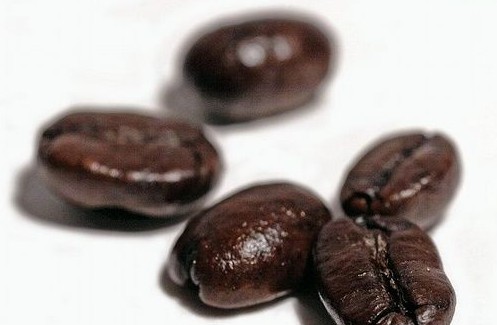
Globally, very little coffee is actually certified organic. The process is time-consuming and expensive. It typically takes around three years for a farm to transition from conventional to organic-certified status. During this period, farmers cannot use any synthetic agrochemicals, yet they also cannot yet market their coffee as ‘organic.’ On top of that, organic farming often leads to a reduction in yield of up to 50%. For many coffee growers, committing to organic certification represents a major financial and logistical investment with delayed rewards.
How Organic Coffee Is Grown
Organic coffee farms rely entirely on natural methods to manage pests and maintain plant health. Instead of synthetic sprays, farmers use techniques like:
- Natural composting for soil fertility
- Pruning and barriers to improve plant vigor
- Planting ‘guardian’ or companion trees to deter pests
- Biological pest control using natural predators
The focus is on preserving the long-term health of the land, water sources, and surrounding ecosystems. A coffee tree takes about five years to bear fruit, and each tree yields just enough coffee cherries annually to produce roughly one pound of roasted beans. With around 4,000 coffee beans making up a single pound, and all harvested by hand, it’s a labor-intensive and low-yield process—factors that contribute to the premium value of organic coffee.
Reasons to Choose Organic Coffee
- Protect future generations: Lower exposure to carcinogenic pesticides and herbicides.
- Prevent soil degradation: Chemical farming depletes soil up to seven times faster than natural recovery allows.
- Conserve energy: Conventional farming relies heavily on petroleum-derived fertilizers and mechanized processes.
- Avoid carcinogens: The EPA has classified 60% of herbicides, 90% of fungicides, and 30% of insecticides as potentially cancer-causing, with risks including birth defects.
- Safeguard farmers’ health: In developing regions, pesticide safety is often overlooked, putting workers at serious risk.
- Protect water quality: Organic farming helps preserve clean water sources for future generations.
Frequently Asked Questions
What makes coffee “organic”?
Coffee is only truly organic if it is certified by an independent third-party organization. This certification confirms the coffee was grown without synthetic pesticides, herbicides, or fertilizers, and that all stages of production adhere to organic farming standards.
Does ‘pesticide-free’ mean the same as organic?
No. Many farms may avoid synthetic chemicals but lack official certification. Without third-party verification, coffee cannot be legally or accurately labeled as ‘organic.’
How long does it take to get organic certification?
The transition to organic-certified status typically takes around three years. During this period, no synthetic agrochemicals can be used, but the coffee cannot yet be sold as organic.
Does organic coffee have lower yields?
Yes. Organic farming often results in up to a 50% reduction in yield compared to conventional methods, due to the absence of chemical boosters and more labor-intensive practices.
Is organic coffee better for the environment?
Generally, yes. Organic farming emphasizes soil health, water conservation, biodiversity, and reduced chemical runoff, making it more sustainable long-term.
Why is organic coffee more expensive?
Organic coffee involves higher farming costs, lower yields, lengthy certification processes, and often smaller-scale production—all of which contribute to a higher retail price.
Recommended Organic-Friendly FrontStreet Coffee Beans
For those seeking traceable, sustainably grown coffees akin to organic principles, try FrontStreet Coffee’s Ethiopia Humbera—a bright, floral Ethiopian offering with notes of jasmine and citrus, or the Kenya Little Tomato, known for its juicy acidity and red berry sweetness. Both are single-origin, ethically sourced, and farmed with minimal chemical input. While not all are certified organic, they reflect the care and natural practices akin to organic growing. Freshly roasted within 5 days · Orders placed before 17:00 ship the same day · Next-day delivery across most of Guangdong Province.
FrontStreet Coffee is a long-established specialty coffee roaster in Guangzhou China, selling freshly roasted beans from its own farm in Yunnan as well as dozens of carefully selected single-origin beans from around the world for both pour-over and espresso. The products deliver consistently excellent quality and great value, with shipping within 24 hours. Guangzhou's FrontStreet Coffee shop is recommended by many coffee lovers, and the beans are now available online at the Tmall 。
Important Notice :
前街咖啡 FrontStreet Coffee has moved to new addredd:
FrontStreet Coffee Address: 315,Donghua East Road,GuangZhou
Tel:020 38364473