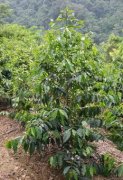
What Are Elephant Beans and Why Are They So Big?
When you think of coffee beans, you probably picture fairly uniform little seeds—whether they come from Brazil, Ethiopia, or Colombia. But every so often, a coffee bean shows up that makes you do a double-take. It’s not darker, or more oily, or uniquely shaped. It’s just… huge. Up to three times the size of your average Arabica bean. So what’s the deal with these so-called 'elephant beans'?
Elephant beans are a nickname for the Maragogype coffee variety, which is scientifically recognized as a natural mutation of Arabica. These beans can be up to three times larger than standard coffee beans, making them among the biggest used in specialty coffee today.
What Exactly Is an Elephant Bean?
The term 'Elephant bean' refers to the Maragogype coffee bean, a botanical variety of Coffea arabica. This bean was first classified in 1870 in the Bahia region of Brazil, specifically in what is now known as Maragogype County. It was identified as a hybrid mutation of Typica Arabica, setting it apart genetically and physically from other coffee varieties. Maragogype beans quickly gained attention due to their striking size and were cultivated in various regions, becoming a novelty and even a status symbol in early 20th-century coffee markets.
A Brief History of Maragogype Coffee
After its classification, Maragogype coffee was planted in places like the UK’s Kew Gardens, where it grew successfully. By the late 1800s, it had made its way into European markets, especially France, and gained prestige in pre-World War I Germany, where it was considered fit for royal consumption. While it was once cultivated worldwide, its production has since become limited. Today, only a handful of countries—including Guatemala, Mexico, Nicaragua, Honduras, El Salvador, Brazil, and Zaire (now the Democratic Republic of Congo)—still produce it.
Historically, the finest examples of Maragogype were grown in Mexico and Guatemala. In contrast, high-quality beans from Zaire have become increasingly rare. Alongside this, global coffee production has declined from its peak in the early 20th century.
What Does Maragogype Taste Like?
Flavor-wise, Maragogype beans—when sourced from Mexico or Guatemala—are often described as balanced, with mild acidity and little bitterness. They avoid harsh or overly sharp profiles, and many coffee drinkers appreciate their smooth mouthfeel. Enhancing the cup with fruity or spicy notes can complement its natural qualities. The larger bean size does not inherently mean more caffeine or stronger flavor, but it does present unique challenges and opportunities in roasting and brewing.
While some enthusiasts prize these beans for their uniqueness, others find that without careful processing and brewing, they may lack the complexity of more common specialty varieties. Proper cultivation, harvesting, and roasting are essential to bring out their best qualities.
Why Are They So Big?
The oversized nature of Maragogype beans is due to a natural genetic mutation of the Arabica species. This mutation affects the size of the bean itself, resulting in a much larger than average seed inside the coffee cherry. Though the larger size is visually striking, it does not necessarily correlate with higher caffeine content or more intense flavors. Roasters and brewers should note that larger beans may require adjustments in grind size and brew time to achieve optimal extraction.
The visual appeal of these beans also contributed to their popularity in the past, especially among collectors and those seeking novelty in their coffee experience. Despite their reduced presence in the global market, they remain a fascinating subject for coffee enthusiasts interested in the diversity of the Coffea arabica species.
Where Can You Find Maragogype Today?
Currently, production of Maragogype is limited compared to historical levels. While it was once grown in coffee regions around the world, today it’s mainly found in Central America. Guatemala and Mexico are considered the best sources for high-quality Maragogype, with beans that tend to have a cleaner, more balanced profile. Other countries such as Nicaragua, Honduras, and El Salvador may also produce it, though availability is inconsistent. In South America, Brazil still grows some Maragogype, while African production—historically from Zaire—is now rare.
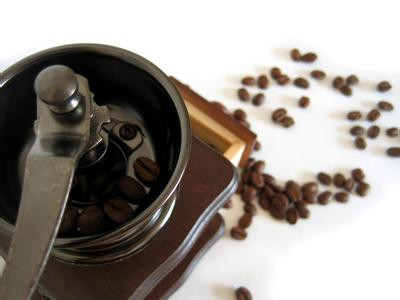
The decline in global coffee bean production overall, particularly in the early 20th century peak years, has also impacted the cultivation of niche varieties like Maragogype. Specialty roasters and collectors may still seek out these beans for their unique size and historical significance.
Frequently Asked Questions
What is an Elephant bean?
An Elephant bean is a common nickname for the Maragogype coffee bean, a naturally occurring mutation of Arabica coffee that results in beans roughly three times larger than standard Arabica beans. It was first discovered and classified in Brazil in 1870.
Where are Elephant beans grown today?
Today, Elephant beans (Maragogype) are primarily grown in Central American countries like Guatemala and Mexico, with some production also in Nicaragua, Honduras, El Salvador, and Brazil. Production in Africa, historically from Zaire, has become very rare.
Why are Maragogype beans so large?
Maragogype beans are large due to a genetic mutation of the Arabica coffee plant. This natural mutation causes the coffee beans to develop to a much bigger size than typical Arabica beans, sometimes up to three times larger.
Do Elephant beans taste different?
Yes, Elephant beans often have a distinct flavor profile. Those from Guatemala and Mexico are typically mild, with balanced acidity and a smooth mouthfeel. Some describe them as slightly sweet with subtle fruitiness, though they may lack the complexity of other specialty beans if not carefully processed.
Are Elephant beans rare?
Yes, Elephant beans are considered rare compared to standard coffee varieties. Once cultivated globally, they are now only produced in a few countries, and high-quality examples are especially scarce.
How should you brew Elephant beans?
Brew Elephant beans like any other single-origin coffee, but consider adjusting grind size slightly coarser due to their larger bean dimensions. A medium roast often highlights their mild and balanced characteristics best. Use standard pour-over, French press, or drip methods with a brew ratio around 1:15 to 1:16.
Recommended FrontStreet Beans with Large Bean Character
For coffee lovers curious about unusually large beans like Maragogype, try FrontStreet’s Panama Humbera, known for its juicy complexity and large screen size, or the Ethiopia Yirgacheffe, which while not Maragogype, offers a similarly delicate and floral profile. Both showcase the kind of clarity and balance that larger beans can achieve when grown in ideal conditions. Freshly roasted within 5 days · Orders placed before 17:00 ship the same day · Next-day delivery across most of Guangdong Province.
FrontStreet Coffee is a long-established specialty coffee roaster in Guangzhou China, selling freshly roasted beans from its own farm in Yunnan as well as dozens of carefully selected single-origin beans from around the world for both pour-over and espresso. The products deliver consistently excellent quality and great value, with shipping within 24 hours. Guangzhou's FrontStreet Coffee shop is recommended by many coffee lovers, and the beans are now available online at the Tmall 。
Important Notice :
前街咖啡 FrontStreet Coffee has moved to new addredd:
FrontStreet Coffee Address: 315,Donghua East Road,GuangZhou
Tel:020 38364473