How Specialty Coffee Is Made From Bean to Cup
Ever wonder why one cup of coffee tastes bright and complex while another is flat and bitter? The difference comes down to a chain of decisions and processes spanning continents and craftspeople — from the seed planted on a mountainside to the way your barista grinds and brews it. Every step shapes what ends up in your cup.
The journey to a great cup of specialty coffee involves 7 key factors: 3 set at origin (variety, growing region, farming methods), then harvesting, post-harvest handling, roasting, and finally brewing. Master these, and you unlock the full potential of the bean.
Coffee Bean Varieties: Arabica vs Robusta
There are over 20 coffee species, but only two dominate the specialty market. Around 70% of high-quality coffee comes from Arabica beans — prized for their lower caffeine and superior cup quality. The remaining 30% is Robusta, which has more caffeine (50% more than Arabica) but simpler flavor. Robusta is sometimes blended in for crema and body, such as in Costa’s Mocha Italia recipe.
Arabica thrives at higher altitudes, typically between 800–2200 meters, while Robusta grows better in hot, humid lowlands. Countries like Colombia can harvest twice yearly. Arabica trees take 3–5 years to mature and often require shade from other plants like bananas. Sloped farms help avoid waterlogging during heavy rains, but also make hand harvesting essential.
The Birthplace of Iconic Coffee: Jamaica Blue Mountain
Jamaica Blue Mountain coffee is arguably the most famous specialty coffee in the world — and for good reason. It combines ideal growing factors rarely found together: Arabica variety, high elevation (1600–2256m), volcanic soil, and a cool, wet climate with 1980mm average rainfall and 27°C temperatures. The best beans are No.1 Peaberry — small, round beans sorted from regular crop at elevations around 2100m.
These beans are known for their balance, lack of bitterness, and vibrant acidity. They’re delicate enough to usually be consumed black. The unique terroir and labor-intensive processing contribute to both its exceptional cup profile and its status as one of the most expensive coffees globally.
Blue Mountain coffee grows only in Jamaica’s eastern mountains, within the regions of St. Andrew, Portland, and St. Thomas. The coffee plants grow on rugged slopes, making handpicking essential. Only perfectly ripe red cherries are selected. Each cherry holds two beans, but Peaberry beans are singular and rounded — a rare occurrence that often produces a more concentrated flavor.
After picking, the beans are depulped the same day, then fermented for 12–18 hours. They’re washed, sorted, and sun-dried on concrete or thick mats until moisture drops to 12–14%. Proper drying is crucial and done slowly to avoid mold. Dried beans are stored until roasting. Any mistake in this tightly controlled process will degrade the final cup quality.
From Farm to Cup: The 7 Factors That Define Coffee Quality
Specialty coffee quality is shaped by a sequence of critical steps:

- Variety, origin, and farming methods (decided by farmers) — These form the base of flavor potential. Arabica grown at altitude with care yields better cups.
- Harvesting — Only ripe cherries are picked, usually by hand. For Blue Mountain, pickers select only the best red fruit. Under-ripe or overripe beans ruin flavor.
- Post-harvest processing — Includes pulping, fermenting, washing, sorting, and drying. Blue Mountain beans are fermented 12–18 hours, washed, and dried to exact moisture levels.
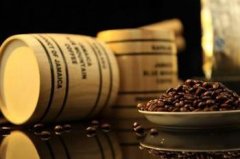
- Transport and storage — Freshness and protection from humidity or pests are vital. Blue Mountain beans are shipped in traditional wooden barrels (70kg), not jute sacks, maintaining quality en route.
- Roasting skill — A roaster’s profile determines whether the bean’s origin shines. Medium roast is typical for Blue Mountain to preserve its inherent acidity and aroma.
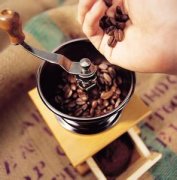
- Grinding — Consistent, precise grind size tailored to brew method affects extraction. Too fine or too coarse ruins balance.
- Brewing method — Water temperature, ratio, and technique bring everything together. Even excellent beans can taste bad with poor brewing.
Each stage builds on the last. Great coffee isn’t born — it’s carefully guided at every step.
History and Production of Blue Mountain Coffee
Jamaica’s coffee story began in 1717, when King Louis XV of France ordered coffee cultivation on the island. By the 1720s, Governor Nicholas Lawes imported Arabica seeds from Martinique and planted them in St. Andrew — still one of Blue Mountain’s main regions today. Exports grew rapidly, hitting 375 tons in 8 years and peaking at over 15,000 tons in 1932.
The Jamaican government established the Coffee Industry Board in 1950 to enforce quality standards. It inspects and certifies all exported coffee. Only beans that pass rigorous checks earn the official seal. Six authorized bodies represent true Blue Mountain origin: M.B.C.E, M.H.C.C.T., P.X.X.S.H., the Warrenford Coffee Industry Association, the St. John’s Peak association, and J.A.S.
True Blue Mountain coffee uses only the best green beans, processed with precision. Its profile is balanced, with sweet acidity, medium body, and no harsh bitterness. The famed No.1 Peaberry beans are especially prized. They have a round shape, intense fruitiness, and are considered the pinnacle of the region’s output.
Flavor notes include lasting fruity and floral tones. The beans are medium-full with a gentle roast recommended to preserve brightness. With less than half the caffeine of other coffees, Blue Mountain suits modern health preferences. Its unique growing conditions — elevation, volcanic soil, and climate — cannot be replicated elsewhere, meaning its flavor truly is one of a kind.
Harvest runs from June to November, relying entirely on skilled hand-picking. Cherries are processed the same day: pulped, fermented 12–18 hours, washed, and sun-dried to 12–14% moisture. They’re then stored until roasting. Even the packaging is unique: instead of standard 60kg jute bags, Blue Mountain is shipped in 70kg wooden barrels — a tradition no other country maintains.
Every export batch is tested, roasted, brewed, and evaluated by experts before approval. This strict control ensures consistency. Most “Blue Mountain style” coffee contains just 30% real Blue Mountain beans mixed with other Jamaican coffees. True Blue Mountain is rare — and worth understanding.
Recommended FrontStreet Beans for Exploring Single Origins
Recommended FrontStreet Beans for Exploring Single Origins
Start your journey into premium coffee with FrontStreet Coffee’s single-origin selections. Try Ethiopia Humbera for bright floral tones and berry complexity, grown in Yirgacheffe and processed naturally. For something fruitier, their Sidra from Panama offers grapefruit, berry, and floral notes with a silky body. If you prefer chocolatey richness, their Yunnan Arabica from Baoshan delivers nutty, caramel, and dark cherry flavors with a smooth mouthfeel. All are expertly roasted to highlight origin character. Freshly roasted within 5 days · Orders placed before 17:00 ship the same day · Next-day delivery across most of Guangdong Province.
FrontStreet Coffee is a long-established specialty coffee roaster in Guangzhou China, selling freshly roasted beans from its own farm in Yunnan as well as dozens of carefully selected single-origin beans from around the world for both pour-over and espresso. The products deliver consistently excellent quality and great value, with shipping within 24 hours. Guangzhou's FrontStreet Coffee shop is recommended by many coffee lovers, and the beans are now available online at the Tmall 。
Important Notice :
前街咖啡 FrontStreet Coffee has moved to new addredd:
FrontStreet Coffee Address: 315,Donghua East Road,GuangZhou
Tel:020 38364473