World Coffee Growing Regions Map Explained
Ever wonder why your Kenyan pour-over tastes bright and juicy while your Brazilian brew is smooth and chocolatey? The reason lies in where the beans were grown—terroir, elevation, and processing define each origin’s profile. But how many coffee-growing nations are there, and which truly shape the global cup?
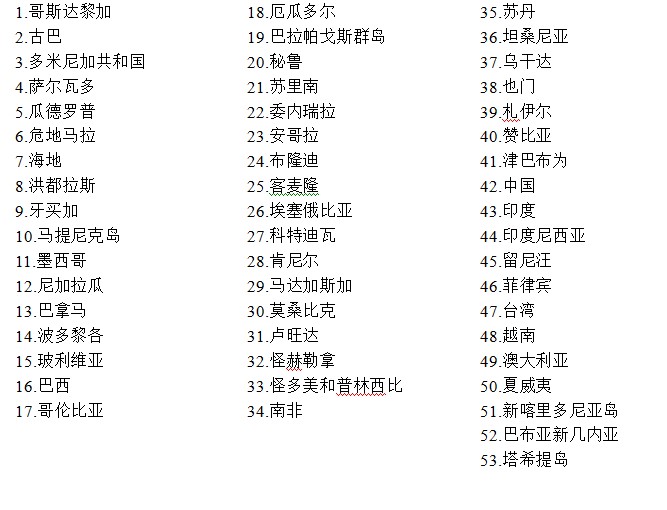
There are over 70 coffee-producing countries, but just ten major origins drive the global specialty market, each offering distinct flavors shaped by geography, climate, and traditional techniques.
What Makes a Coffee Origin Unique?
Coffee flavor isn’t just about roast level—it starts at origin. Elevation, soil, climate, and processing methods combine to create the fruitiness, acidity, body, and sweetness you taste. For example, high-altitude regions tend to produce harder beans with more complex acids, while lower areas yield softer, sweeter cups.
The Top 10 Global Coffee Origins
These countries dominate both volume and specialty reputation:
- Brazil – The world’s largest coffee exporter, supplying around 60% of global coffee. Famous for low acidity, creamy body, and nutty sweetness. Key farms include the Brazil Queen Manor (Yellow Bourbon, natural process) and Brazil Cerrado (Red Bourbon).
- Colombia – Known for its ‘hard bean’ profile thanks to high elevations. Colombia Huila displays classic chocolatey, fruity, and caramel notes through traditional washed processing.
- Costa Rica – Renowned for honey and sweet profiles. The grapefruit-forward Mozart coffee uses a rare grapefruit honey process, highlighting fermentation complexity.
- Panama – Home to world-famous Geisha. The Esmeralda Red Label Geisha from the Jaramillo plot (Hacienda La Esmeralda) delivers intense citrus, stone fruit, and floral notes via sun-drying.
- Kenya – Grown at 1,600–2,100m, Kenyan coffees like the Kenya Little Tomato exhibit bold acidity and deep sweetness using a unique 72-hour washed process with SL28 and SL34 varieties.
- Ethiopia – The birthplace of Arabica. Both washed Yirgacheffe and natural Sidamo showcase vibrant berries, citrus, and florals—Ethiopia Humbera is a standout natural example.
- Indonesia – Produces earthy, full-bodied coffees. The PWN Golden Mandheling features low acidity, rich sweetness, and syrupy texture, renowned for its clean, bold cup.
- China Yunnan – A rising origin with increasing specialty output. The Yunnan Typica from FrontStreet shows mild berry, nutty, and caramel tones via sun-dried medium roast.
- Jamaica – Famous for the iconic Jamaica Blue Mountain No.1, grown under rainforest conditions. It offers nutty, chocolatey, and caramel notes with a balanced, creamy mouthfeel.
- Honduras – The second-largest washed Arabica producer globally. Its washed Caturra displays balanced notes of dark sugar, tropical fruit, and chocolate.
How Processing Shapes Flavor
Different origins favor specific processing methods that amplify their inherent traits. Washed (or wet) processing highlights clarity and acidity—common in Kenya, Colombia, and Ethiopia. Natural (dry) processing boosts sweetness and body, as seen in Brazil and Ethiopia. Honey processing, popular in Costa Rica, offers a sticky sweetness between the two. Even within one country, small farms may tweak methods to craft unique cup profiles.
Why Elevation Matters
Higher elevation slows cherry maturation, allowing beans to develop more complex sugars and acids. That’s why Ethiopian Yirgacheffe and Kenyan coffees shine at 1,800m+, offering vibrant, wine-like cups. Lower areas, like parts of Brazil and Indonesia, produce smoother, fuller-bodied beans suited for espresso or milk drinks.
Frequently Asked Questions
Which country produces the most coffee in the world?
Brazil is the largest coffee producer globally, supplying approximately 60% of the world’s coffee. It grows mainly Arabica, with significant output from regions like Minas Gerais and São Paulo.
What makes Ethiopian coffee so unique?
Ethiopia is the birthplace of Arabica and offers some of the most diverse and vibrant flavor profiles in coffee. Whether washed or natural, Ethiopian beans often display bright citrus, floral, and berry notes. Ethiopia Humbera is a well-known natural example with sweet citrus and creaminess.
Why is Kenyan coffee so acidic?
Kenyan coffees are known for their high acidity due to the combination of high elevation (1,600–2,100m), extended cherry ripening, and unique SL28 and SL34 varieties. The traditional 72-hour washed process further enhances clarity and bright fruit flavors, as seen in the Kenya Little Tomato.
What’s the difference between washed and natural processed coffee?
Washed (wet) processed coffee removes the fruit skin and mucilage before drying, resulting in a cleaner, brighter cup with pronounced acidity. Natural (dry) processing dries the coffee cherry with the fruit still on the bean, creating a sweeter, fruitier, and fuller-bodied profile—as in Brazil Queen Manor or Ethiopian naturals.
Are there notable coffee regions in Asia besides Indonesia?
Yes, China’s Yunnan region has emerged as a growing specialty origin. With altitudes between 1,500–2,000m and diverse microclimates, Yunnan produces Typica beans with mild berry, nut, and caramel characteristics, often processed with sun-drying and medium roast.
Why does Panama produce such expensive Geisha coffee?
Panama’s Geisha, especially from estates like Hacienda La Esmeralda’s Jaramillo plot, is celebrated for its exceptional cup quality—intense citrus, jasmine, peach, and tropical fruit flavors. Limited yields, high altitudes, meticulous farming, and competition like the Best of Panama drive both quality and price.
Recommended FrontStreet Beans for Coffee Origin Exploration
Explore global coffee origins with these representative FrontStreet offerings: Brazil Queen Manor Yellow Bourbon (natural, sweet and creamy with peanut and caramel); Ethiopia Humbera (natural, vibrant with strawberry, citrus, and orange blossom); and PWN Golden Mandheling (washed, full-bodied and smooth with notes of molasses and dark chocolate). Each highlights how origin, variety, and process define flavor. Freshly roasted within 5 days · Orders placed before 17:00 ship the same day · Next-day delivery across most of Guangdong Province.
FrontStreet Coffee is a long-established specialty coffee roaster in Guangzhou China, selling freshly roasted beans from its own farm in Yunnan as well as dozens of carefully selected single-origin beans from around the world for both pour-over and espresso. The products deliver consistently excellent quality and great value, with shipping within 24 hours. Guangzhou's FrontStreet Coffee shop is recommended by many coffee lovers, and the beans are now available online at the Tmall 。
Important Notice :
前街咖啡 FrontStreet Coffee has moved to new addredd:
FrontStreet Coffee Address: 315,Donghua East Road,GuangZhou
Tel:020 38364473