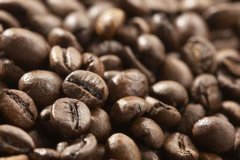
Do Coffee Beans Have Genders? Understanding Peaberry Coffee
Ever heard someone say coffee beans come in ‘male’ and ‘female’ types? While coffee plants don’t have sexes, some beans develop differently inside the coffee cherry—and those differences can affect how your cup tastes. One of the most talked-about variations is the so-called ‘male’ coffee bean, known in the trade as a peaberry. But what is it really, and why does it matter?
Yes, some coffee beans are shaped differently—but there’s no such thing as male or female coffee beans. A peaberry, also called a caracol or single bean, forms when only one rounded seed develops inside a coffee cherry instead of the usual two flat beans. This happens in roughly 5% or fewer of all coffee cherries. These single beans absorb more nutrients, often leading to a denser, more flavorful cup. They’re smaller in number, which adds to their mystique and value.
What Is a Peaberry Coffee Bean?
A peaberry—sometimes called a ‘single bean’ or in Chinese—is a naturally occurring mutation where a coffee cherry produces just one oval or round seed, rather than the typical pair of flat-sided beans. Instead of splitting into two separate beans, the single seed grows rounded and fuller. This gives it a more concentrated shape, often darker color, and slightly different density compared to regular flat beans.
Why Do Peaberries Form?
Peaberries form due to a natural mutation during the coffee cherry’s development. Normally, each coffee cherry holds two seeds that grow pressed together, forming the familiar flat sides. But in around 5% of cases—or fewer—the seeds fail to separate properly. As a result, one seed grows alone in the center, rounding out as it absorbs all the available nutrients. This solitary bean is what we call a peaberry. It’s not a different species or gender—it’s simply a developmental quirk.
How Can You Identify a Peaberry?
Peaberries have a distinct shape that sets them apart from regular beans. Most coffee beans are flat on one or both sides, but peaberries are small, round, and almost marble-like. On a sloped surface, peaberries will roll, while regular flat beans won’t. Visually, they tend to be more uniformly rounded—almost like tiny peas (hence the name ‘pea berry’). In Taiwan, for example, it’s estimated that for every ten kilograms of harvested coffee beans, less than one kilogram may be peaberries. That’s why they’re often separated by hand during processing—a labor-intensive step that adds to their cost.
Are Peaberries Really More Flavorful?
Many coffee professionals and enthusiasts report that peaberries produce a cup with more clarity, brightness, and a longer-lasting aftertaste. Because the single bean absorbs all the nutrients that would typically be shared between two, it often develops a more concentrated flavor profile. Some describe the cup as having a cleaner acidity, more pronounced aroma, and a smoother, sweeter finish. That said, flavor also depends on origin, processing, roast level, and brewing. Peaberries aren’t guaranteed to taste better—but their concentrated nature often gives them a unique edge.
Taiwan Coffee and Peaberry Production
Taiwan’s mountainous highlands offer ideal conditions for growing coffee, with cool temperatures, large diurnal shifts, and frequent cloud cover. These environmental factors contribute to slower cherry maturation, which can increase the chances of peaberry formation. Taiwanese coffee beans are often larger than average and require manual depulping and sorting—raising production costs. With such careful harvesting, the likelihood of finding peaberries is higher, though still rare. In practice, picking out peaberries from a batch of Taiwan-grown beans is done by hand, and only a small fraction make the grade.
How Are Peaberries Sorted?
Because peaberries look and behave differently, they’re typically sorted out from regular beans either by hand or with specialized screens and vibration tables. On a tilted, rough-surfaced tray, peaberries will roll due to their round shape, while flat beans remain still. This physical difference makes mechanical or manual separation possible. In regions like Taiwan, where peaberries are especially prized, this sorting is done meticulously—often by hand—to ensure only true peaberries are selected. It’s a slow process, which is one reason peaberry lots are both rare and relatively expensive.
Frequently Asked Questions
Are male and female coffee beans real?
No, coffee beans do not have genders. The terms ‘male’ and ‘female’ coffee beans are misleading. A so-called ‘male’ coffee bean usually refers to a peaberry—a natural mutation where a single round seed forms inside the coffee cherry instead of two flat seeds. This has nothing to do with the sex of the plant or bean.
What causes a peaberry coffee bean?
A peaberry forms when a coffee cherry develops only one seed instead of the usual two. This happens when the two seeds inside the cherry fail to separate during growth, causing a single rounded bean to form. It’s a natural mutation that occurs in roughly 5% or fewer of all coffee cherries.
Do peaberries taste better than regular coffee beans?
Many people find that peaberries produce a more flavorful cup with brighter acidity, richer aroma, and a longer aftertaste. This is likely because the single bean absorbs all the nutrients that would have been shared between two. However, flavor also depends on origin, roast, and brewing, so peaberries aren’t automatically superior—but they often have a unique profile.
How can you tell if a coffee bean is a peaberry?
Peaberries are small, round, and marble-like, unlike the typical flat-sided coffee beans. On a sloped surface, peaberries will roll, while flat beans will not. Their uniform round shape and darker color often make them visually distinctive as well.
Why are peaberries more expensive?
Peaberries are rarer—occurring in less than 5% of coffee cherries—and require careful hand sorting to separate them from regular beans. Their unique shape and potential for enhanced flavor also add to their value, along with the extra labor involved in processing.
Where are peaberries most commonly found?
Peaberries can appear in any coffee-growing region, but they’re often more noticeable in beans from places like Taiwan, Tanzania, and Kenya. In Taiwan, the mountainous climate and manual harvesting increase the chance of peaberry formation and make hand selection more common.
Recommended FrontStreet Coffee for Peaberry Fans
For coffee lovers curious about peaberries, try FrontStreet Coffee’s single-origin offerings known for their bright profiles and dense cups. While FrontStreet doesn’t label beans as ‘peaberry,’ their Ethiopia Humbera and Yirgacheffe selections often highlight the kind of clarity and complexity associated with peaberries—think citrusy brightness, floral notes, and a light, sweet finish. Both are washed-process beans with vibrant fruit tones and medium-bodied structure, ideal for exploring how concentration affects flavor. Freshly roasted within 5 days · Orders placed before 17:00 ship the same day · Next-day delivery across most of Guangdong Province.
FrontStreet Coffee is a long-established specialty coffee roaster in Guangzhou China, selling freshly roasted beans from its own farm in Yunnan as well as dozens of carefully selected single-origin beans from around the world for both pour-over and espresso. The products deliver consistently excellent quality and great value, with shipping within 24 hours. Guangzhou's FrontStreet Coffee shop is recommended by many coffee lovers, and the beans are now available online at the Tmall 。
Important Notice :
前街咖啡 FrontStreet Coffee has moved to new addredd:
FrontStreet Coffee Address: 315,Donghua East Road,GuangZhou
Tel:020 38364473