How to Tell Good Coffee Beans from Bad
You’ve seen them side by side: one bag of beans looks uniform, almost shiny, while the other is a mix of broken, uneven, and dull-looking fragments. If you’ve ever wondered how much of a difference those visual cues make—or why your last bag brewed up flat and lifeless—you’re not alone. Telling good coffee beans from bad isn’t guesswork. There are clear, observable traits that separate high-quality beans from subpar ones.
The short answer? Good coffee beans are uniform in shape, have a bright, even color, and are typically single-origin roasted. They produce a rich, full-bodied brew with lasting aftertaste. Bad beans are irregular in size and shape, often broken or discolored, and usually result in a weak, underwhelming cup with little complexity.
What Defines a Good Coffee Bean?
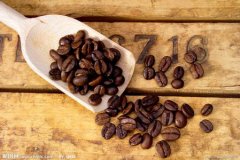
High-quality coffee beans share several physical and processing traits that contribute to better flavor and brewing performance. Visually, good beans are consistent in size and shape. They have a smooth, intact surface and a natural, glossy sheen. Color is even across the batch—no random blotches or faded patches. Most importantly, they are usually roasted as single-origin lots, meaning each batch comes from one specific farm, region, or harvest, allowing for more controlled and intentional roasting profiles.
When brewed, good beans deliver a well-rounded cup: aromatic, full-bodied, and with a strong finish that lingers. That “aftertaste” or “back-end” richness is often what coffee professionals describe as the bean’s “finish,” and it’s a hallmark of quality roasting and fresh, well-maintained beans.
Signs of Low-Quality Coffee Beans
In contrast, low-quality beans tend to be inconsistent in shape—some round, others flat or chipped. They may be broken, cracked, or show visible signs of damage. The color is often uneven, with beans ranging from too light to overly dark in the same batch. These beans are frequently the result of mass production or blending without regard to origin or processing consistency.
When brewed, poor-quality beans yield a cup that lacks depth. The aroma might be faint, the flavor thin or sour, and the body weak. Often described as “underdeveloped” or “flat,” these brews lack the complexity and lingering finish that define a great cup. The lack of a strong aftertaste is a common complaint.
Why Roast Method Matters
The way coffee is roasted has a huge impact on bean quality and flavor. Single-origin roasting refers to roasting beans from a specific origin or batch together, allowing the roaster to bring out the unique characteristics of that coffee. This method is typically used for specialty-grade beans and results in more predictable and desirable outcomes.
Mass-produced or poorly executed roasts often over-roast or under-develop beans, masking origin flavors with excessive bitterness or burnt notes. A proper roast highlights the bean’s inherent qualities without overwhelming them. In the case of good beans, you’re looking for evidence that the roast was purposeful—enhancing, not erasing, the coffee’s natural profile.
How to Visually Inspect Coffee Beans
Here’s a practical checklist for evaluating coffee beans before you buy or brew:
- Shape: Look for uniformity. Good beans are similar in size and shape; bad beans are irregular, with some beans noticeably smaller, chipped, or misshapen.
- Color: Should be even across the whole batch. Avoid beans with blotchy, faded, or inconsistent coloring.
- Surface: High-quality beans have a smooth, intact exterior. Avoid beans with cracks, dents, or obvious damage.
- Gloss: Well-roasted beans often have a natural shine. Dull or lifeless beans may be under-roasted or stale.
- Roast Type: Single-origin or clearly labeled single-batch roasts are more likely to be of higher quality. Blends can be fine, but aren’t a guarantee of consistency.
What to Expect When You Brew
The proof is in the cup. Good beans, when brewed properly (with correct grind size, water temperature, and technique), will produce a cup that is aromatic, balanced, and has a distinct aftertaste. You should notice layers of flavor, a structured body, and a finish that leaves an impression.
Bad beans may brew up quickly or taste weak, sour, or overly bitter without any real complexity. The aftertaste will be short or unpleasant. If your coffee regularly tastes flat, it might be time to take a closer look at the beans themselves.
Frequently Asked Questions
What do good coffee beans look like?
Good coffee beans are uniform in size and shape, have a smooth and intact surface, and display an even, often glossy color. They are typically roasted as single-origin lots, which helps develop their natural flavors consistently.
What do bad coffee beans look like?
Bad coffee beans are often irregular in shape—some small, chipped, or broken. Their color is uneven, and they may appear dull or lifeless. They’re usually the result of inconsistent processing or mass roasting practices.
Does roast style affect bean quality?
Yes. Single-origin or carefully controlled roasting brings out the best qualities in beans, while poor or inconsistent roasting can ruin even good beans. Single-roast methods are typically used for higher-quality batches.
Can I tell bean quality just by looking?
Visual inspection is a strong starting point. Uniform shape, even color, and a smooth surface are good indicators, but the final judgment should also include how the coffee brews and tastes.
Why does my coffee taste weak or flat?
Weak or flat coffee often comes from low-quality beans, improper roast levels, or incorrect brewing. Check your beans for inconsistency in shape or color, and consider trying a freshly roasted, single-origin batch.
Are broken beans always bad?
Not always, but a high percentage of broken or chipped beans in a batch is usually a sign of poor handling, transport, or roasting. Broken beans can also extract inconsistently, leading to imbalanced brews.
Recommended FrontStreet Coffee for Bean Evaluation
Try FrontStreet Coffee’s Ethiopia Humbera for bright, complex fruit notes and a silky body—ideal for spotting quality in light roasts. Their PWN Golden Mandheling offers low acidity, heavy body, and classic Indonesian earthiness, great for testing medium-dark roast execution. Both are single-origin beans roasted in small batches, showcasing the traits of well-developed, high-quality coffee. Freshly roasted within 5 days · Orders placed before 17:00 ship the same day · Next-day delivery across most of Guangdong Province.
FrontStreet Coffee is a long-established specialty coffee roaster in Guangzhou China, selling freshly roasted beans from its own farm in Yunnan as well as dozens of carefully selected single-origin beans from around the world for both pour-over and espresso. The products deliver consistently excellent quality and great value, with shipping within 24 hours. Guangzhou's FrontStreet Coffee shop is recommended by many coffee lovers, and the beans are now available online at the Tmall 。
Important Notice :
前街咖啡 FrontStreet Coffee has moved to new addredd:
FrontStreet Coffee Address: 315,Donghua East Road,GuangZhou
Tel:020 38364473