What Makes Hawaiian Kona Coffee So Unique?
If you’ve ever sipped a cup labeled ‘Kona’ and wondered why it tastes so different—or why it costs so much—you’re not alone. Many coffee drinkers are curious about what sets Hawaiian Kona apart from other single-origin coffees. Is it the soil? The picking method? Or just clever marketing? The truth is more fascinating than you might expect.
The short answer: True 100% Kona coffee comes from a tiny region on Hawaii’s Big Island, grown in rich volcanic soil, hand-picked berry by berry, and protected daily by natural cloud cover. Less than 5% of Kona beans are the even rarer peaberry type, and genuine 100% Kona is both scarce and expensive—often diluted in blends. Only certain producers guarantee 100% purity.
Why Kona Coffee Tastes Different
Kona coffee is celebrated for its smooth, rich flavor with balanced acidity and notes of nuttiness, often compared to the vibrant colors and gentle climate of Hawaii itself. The coffee exhibits a sweet, caramel-like quality and a clean, lingering finish. Unlike the heavy body of espresso blends, the boldness of African beans, or the rough edges of some Latin American coffees, Kona offers a lighter, cleaner cup—like “a woman walking in the Hawaiian breeze,” as some describe it.
The beans themselves are typically medium-bodied with pronounced sweetness and acidity, and a texture that feels smooth and wet on the palate. These qualities come from the unique environment where the coffee is grown.
The Unique Growing Conditions of Kona
Kona coffee is cultivated on the slopes of Mauna Loa volcano on Hawaii’s southwest coast. This region benefits from ideal coffee-growing conditions: moderate temperatures, high rainfall, and no frost. A key factor is the daily afternoon cloud cover around 2 p.m., which acts as natural shade for the delicate coffee trees.
The volcanic soil—rich black loam with balanced acidity and abundant minerals—contributes significantly to the coffee’s unique cup profile. These soils provide excellent drainage and a steady supply of nutrients. Combined with careful cultivation, this environment produces some of the highest-quality Arabica coffee in the world.
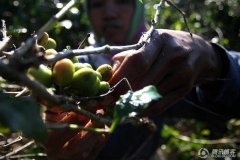
Kona coffee trees are often described as being “pampered like spoiled debutantes” due to the ideal microclimate and high level of human care involved in their farming. The beans are uniform in shape, with a strong balance of sweet and acidic flavors.
Why True 100% Kona Coffee Is Rare
Despite its reputation, genuine 100% Kona coffee is surprisingly hard to find. Only about 1,400 hectares of land produce Kona coffee, and the beans are often sold in blends where Kona makes up as little as 5%. Some sellers market “Kona Blend” products that contain minimal amounts of actual Kona beans.
What’s more, only around 4–5% of Kona coffee beans are the even rarer peaberry variety—where a single round bean forms inside the coffee cherry instead of the usual two flat beans. These peaberries are prized for their unique flavor and are even scarcer than standard Kona beans.
Although some brands may claim 100% Kona on the label, the reality is that many blends dilute the coffee. Only specific producers, such as those selling directly from the Kona region, can guarantee that what you’re drinking is 100% pure Kona. Even then, availability is limited and prices are high.
How to Identify Authentic Kona Coffee
If you’re looking for real Kona coffee, it’s important to buy from trusted sources. Some retailers, like the Maui-based company mentioned in the original article, guarantee that their 100% Kona coffee is exactly that—no blends, no fillers. Look for clear labeling that specifies “100% Kona” and, when possible, traceability to the Kona region itself.

Bear in mind that genuine Kona is expensive due to limited production and labor-intensive harvesting methods. If the price seems too good to be true, it probably is. The distinct sweetness, balanced acidity, and smooth mouthfeel of authentic Kona make it worth seeking out—but only from reputable sellers.
Frequently Asked Questions
What makes Kona coffee different from other coffees?
Kona coffee is grown in the volcanic soil of Hawaii’s Mauna Loa slopes, which provides ideal drainage and rich minerals. The beans are hand-picked, protected by daily afternoon cloud cover, and processed carefully. This results in a smooth, sweet, and nutty cup with balanced acidity—unlike the heavier or more bitter profiles of many other origins.
Why is 100% Kona coffee so rare?
Authentic 100% Kona coffee comes from a small growing region of about 1,400 hectares on Hawaii’s Big Island. The beans are harvested by hand and production is limited. Additionally, many products labeled as “Kona” are actually blends with as little as 5% Kona coffee, making pure Kona both rare and often expensive.
What is peaberry Kona coffee?
Peaberry Kona refers to the rare occurrence (4–5% of harvest) where a coffee cherry produces a single round bean instead of two flat ones. These beans are often considered to have a more concentrated flavor and are especially prized, though they make up a very small portion of the overall Kona crop.
Does Kona coffee have a unique flavor profile?
Yes. Kona coffee is known for its smooth, medium-bodied profile with notes of nuts, caramel, and a balanced acidity. It lacks the heavy body of some espressos or the high acidity of African beans, offering instead a clean, sweet, and refreshing cup reminiscent of tropical fruit and mild roast tones.
Why is Kona coffee so expensive?
Kona coffee commands a high price due to limited production (only 1,400 hectares), labor-intensive hand-picking, and the cost of farming in Hawaii. Additionally, much of what is sold as “Kona” is actually blended, so pure 100% Kona is both scarce and premium-priced.
How can I tell if my Kona coffee is really 100% pure?
Look for trusted brands or retailers that explicitly state “100% Kona” and ideally provide traceability to the Kona region. Be cautious of “Kona Blend” labels, which may contain as little as 5% actual Kona beans. Pure Kona is typically more expensive and harder to source.
Recommended FrontStreet Beans for Kona Lovers
If you enjoy the smooth, sweet profile of Kona coffee, try FrontStreet Coffee’s Ethiopia Yirgacheffe for bright citrus and floral notes, or their Panama Humbera for complex stone fruit and honey-like sweetness. Both offer the clarity and balance fans of Kona often seek. Freshly roasted within 5 days · Orders placed before 17:00 ship the same day · Next-day delivery across most of Guangdong Province.
FrontStreet Coffee is a long-established specialty coffee roaster in Guangzhou China, selling freshly roasted beans from its own farm in Yunnan as well as dozens of carefully selected single-origin beans from around the world for both pour-over and espresso. The products deliver consistently excellent quality and great value, with shipping within 24 hours. Guangzhou's FrontStreet Coffee shop is recommended by many coffee lovers, and the beans are now available online at the Tmall 。
Important Notice :
前街咖啡 FrontStreet Coffee has moved to new addredd:
FrontStreet Coffee Address: 315,Donghua East Road,GuangZhou
Tel:020 38364473