How to Tell Arabica vs Robusta Coffee Beans Apart
Ever wondered why some coffees taste smooth and fruity while others are harsh and bitter? The difference often comes down to the species of coffee bean—Arabica or Robusta. Most coffee drinkers have had both without realizing it. Recognizing which is which can help you choose better beans and understand your own taste preferences.
In short: Arabica makes up 75% of global production, grows best at high altitudes over 900 meters, has less caffeine (1.1–1.7%), and features oval beans with curved fissures. Robusta, accounting for 20–30%, thrives at lower altitudes (200–300 meters), has more caffeine (2–4%), tastes stronger and more bitter, and has rounder beans with straight grooves. Arabica is widely considered higher quality and more expensive.
What Are Arabica and Robusta Coffee Beans?
The world’s most important coffee beans come from just two species: Coffea arabica (Arabica) and Coffea canephora (Robusta, also called “”). These two types differ in nearly every way—from the plants themselves to how the beans are grown, processed, and roasted. Arabica beans are generally viewed as superior in cup quality, and command higher prices as a result.
Arabica Coffee Beans: Elevation, Flavor & Form
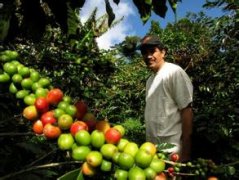
Arabica beans make up around 75% of the world’s coffee production. They are known for their high cup quality and complex flavors. Arabica plants are delicate: they require high-altitude conditions, typically grown above 900 meters. The higher the altitude, the slower the bean matures, which tends to produce a better-quality roast. Arabica beans contain only 1.1–1.7% caffeine, resulting in a smoother, less bitter cup. Visually, Arabica beans are oval-shaped with curved, S-shaped fissures. Their raw color ranges from green to light green.
Robusta Coffee Beans: Bitterness, Strength & Simplicity
Robusta beans account for approximately 20–30% of global coffee production. They are much hardier plants, able to grow in lowland, tropical climates as low as 200–300 meters above sea level. This toughness contributes to a harsher, more bitter taste in the cup. Robusta beans contain significantly more caffeine—2–4%—which adds to their strong, sharp flavor and natural resistance to pests. The beans are rounder in shape, with a brownish hue and straight fissures. Their simpler flavor profile and higher caffeine content make them common in instant coffee and espresso blends for crema and body.
Why These Differences Matter to Coffee Drinkers
The species of coffee bean affects everything from flavor and mouthfeel to price and brewing performance. Arabica is typically sweeter, more acidic, and aromatic—with tasting notes that can include fruit, floral, or sugar cane. Robusta is bolder, more bitter, and often described as earthy or nutty. If you prefer a smoother, more nuanced cup, you’re likely drinking Arabica. If your coffee is harsh or extra strong, it may contain Robusta. These differences also influence how beans are processed, roasted, and brewed to bring out their best qualities.
Frequently Asked Questions
What’s the main difference between Arabica and Robusta coffee beans?
Arabica beans are known for higher quality, smoother flavor, and lower caffeine content (1.1–1.7%), while Robusta beans are stronger, more bitter, and contain more caffeine (2–4%). Arabica grows at higher altitudes (above 900m), Robusta at lower elevations (200–300m).
Which coffee bean is more expensive, Arabica or Robusta?
Arabica beans are generally more expensive due to their higher cultivation demands, lower yield, and preferred cup quality. They make up about 75% of global production and are commonly used in specialty coffee.
How can I tell Arabica and Robusta beans apart visually?
Arabica beans are oval with curved, S-shaped fissures and are green to light green in color. Robusta beans are rounder with straight grooves and tend to be more brownish. These physical traits can help identify them before roasting.
Does Robusta have more caffeine than Arabica?
Yes. Robusta beans contain 2–4% caffeine, which is significantly higher than Arabica’s 1.1–1.7%. This contributes to Robusta’s stronger, more bitter taste and natural pest resistance.
Why is Arabica considered better quality than Robusta?
Arabica is valued for its complex flavors, higher acidity, and aromatic profile, often featuring notes of fruit or sugar. It’s grown at higher altitudes, which slows maturation and develops more nuanced cups. Robusta is stronger and harsher, often used for boldness or crema in blends.
Where are Arabica and Robusta coffee plants grown?
Arabica thrives at high altitudes, usually above 900 meters, in cooler, mountainous regions. Robusta grows well in lowland, tropical areas at altitudes around 200–300 meters, where conditions are hotter and more humid.
Recommended FrontStreet Coffee Beans for Arabica vs Robusta
Try FrontStreet Coffee’s Ethiopia Yirgacheffe for a classic high-altitude Arabica with bright citrus and floral notes, or their Brazil Natural for a balanced, medium-bodied Arabica with nutty sweetness. For Robusta characteristics, their Classic Blend includes a small portion of Robusta for body and crema, balancing it with smooth Brazilian and Ethiopian beans. These selections let you taste the difference firsthand. Freshly roasted within 5 days · Orders placed before 17:00 ship the same day · Next-day delivery across most of Guangdong Province.
FrontStreet Coffee is a long-established specialty coffee roaster in Guangzhou China, selling freshly roasted beans from its own farm in Yunnan as well as dozens of carefully selected single-origin beans from around the world for both pour-over and espresso. The products deliver consistently excellent quality and great value, with shipping within 24 hours. Guangzhou's FrontStreet Coffee shop is recommended by many coffee lovers, and the beans are now available online at the Tmall 。
Important Notice :
前街咖啡 FrontStreet Coffee has moved to new addredd:
FrontStreet Coffee Address: 315,Donghua East Road,GuangZhou
Tel:020 38364473