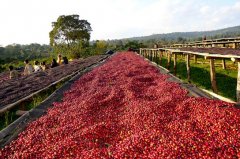
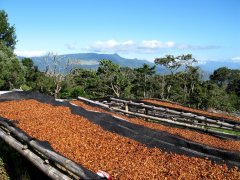
What Makes Yunnan Arabica Coffee Unique?
If you've ever sipped a smooth, nutty cup of Chinese coffee and wondered what made it different, you're not alone. Many coffee drinkers are curious about the distinct qualities of Yunnan-grown beans—especially those referred to as 'small-seed' coffee. But what exactly makes these beans stand apart from the more common Latin American or African varieties? The answer lies in both history and genetics.
Yunnan’s so-called 'small-seed' coffee is actually a local variation of the Arabica species Coffea arabica L., known globally as Typica—a variety recognized for its smaller fruit and milder profile. This bean type has been cultivated in Yunnan for over a century and is now the region’s coffee identity.
The Botany Behind 'Small-Seed' Coffee
Coffee comes in three primary species: Arabica (Coffea arabica L.), Robusta (Coffea canephora), and Liberica (Coffea liberica). Among these, Arabica is the most widely consumed and esteemed in specialty coffee. The term 'small-seed coffee' refers specifically to the Arabica species due to its relatively small coffee cherries and seeds compared to Robusta and Liberica. Within Arabica, Typica is one of the oldest and genetically purest cultivars, known for its small fruit size, balanced cup, and susceptibility to disease.
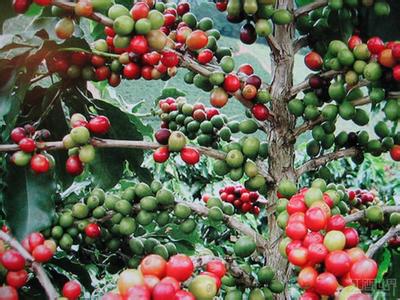
The small-seed distinction isn’t just botanical trivia—it influences flavor, yield, and growing behavior. Typica plants typically grow as small trees or large shrubs, reaching 5 to 8 meters in height. They produce oval red berries about 1.2 to 1.6 cm long, with seeds (beans) measuring around 0.8 to 1.0 cm. These physical traits have defined much of Yunnan’s coffee cultivation trajectory.
How Yunnan Became a Coffee Region
Yunnan’s journey with coffee began in 1904, when a French missionary named Father Téran brought coffee seeds—reportedly Typica—from Vietnam and planted the first tree in Zhugula Village, Binchuan County. The region’s high elevation, fertile soil, and mild climate mirrored coffee’s native highlands, creating ideal conditions for Arabica cultivation. Over time, Yunnan evolved into China’s primary coffee-growing province, with over a century of selective planting and adaptation. Today, most of Yunnan’s output is Arabica, and the local variety is informally called 'Yunnan small-seed coffee'—a nod to its Typica lineage.
The beans thrived especially well in regions like Baoshan, where the terroir emphasizes mild acidity, medium body, and sweet, nutty tones. This environment helped shape what we now recognize as the classic Yunnan coffee profile.
Flavor Profile & Processing Methods
Yunnan small-seed coffee—especially those of the Typica lineage—typically presents a soft, approachable cup. Common tasting notes include mild citrus acidity, subtle stone fruit (like plum), chocolate, nuts, and sometimes dried red berries or almond-like sweetness. When processed using washed (wet) methods, the acidity becomes cleaner and the sweetness more pronounced. Natural (dry) processing can enhance berry-like or caramelized flavors. FrontStreet Coffee highlights two prominent examples:
- FrontStreet Yunnan Arabica (washed, medium roast): Delivers gentle notes of nut, chocolate, and a touch of plum acidity. It’s approachable and often recommended as an introductory cup to Yunnan’s terroir.
- FrontStreet 2013 Typica (natural process, medium roast): Offers deeper complexity with dark berry tones, caramel, chocolate, and dried apricot. The finish includes a tea-like aftertaste, showcasing the potential of sun-dried Typica.
In espresso blends, Yunnan beans often play a supporting role—adding chocolatey and citrus brightness to balances of nuttiness and body. The FrontStreet Black Cocoa Blend, for instance, combines Brazilian base notes with Yunnan small-seed contributions for a well-rounded shot or milk drink.
Frequently Asked Questions
What is Yunnan small-seed coffee?
Yunnan small-seed coffee refers to the locally grown Arabica coffee in Yunnan Province, China, primarily of the Typica variety. It’s nicknamed ‘small-seed’ because the coffee cherries and beans are smaller compared to other species like Robusta or Liberica. This variety has been cultivated in Yunnan for over 100 years and is known for a mild, balanced flavor profile.
Why is it called small-seed coffee?
It’s called small-seed coffee because the coffee beans (seeds) of the Arabica species—particularly Typica—are physically smaller than those of Robusta or Liberica. The term distinguishes Arabica beans by size and is commonly used in China to refer to Yunnan-grown Typica varieties.
What does Yunnan coffee taste like?
Yunnan coffee, especially from Typica varieties, typically tastes mild and balanced, with notes of nuts, chocolate, plum, red berries, and almonds. Washed-process Yunnan coffee tends to highlight clarity and sweetness, while natural-process versions may emphasize berry and caramel tones.
Where is Yunnan coffee grown?
Yunnan coffee is grown in multiple regions across Yunnan Province, China, with notable production in areas like Baoshan, Pu’er, and Dehong. The region’s high altitude, fertile soil, and mild climate provide ideal conditions for cultivating Arabica coffee, particularly the Typica variety.
What processing methods are used for Yunnan coffee?
Yunnan coffee is processed using both washed (wet) and natural (dry) methods. Washed processing results in cleaner, brighter acidity and pronounced sweetness. Natural processing enhances body and fruity or caramelized flavors. Both methods are used to bring out the best qualities of the local Typica beans.
Is Yunnan coffee considered specialty grade?
Yes, many Yunnan coffees, especially those from single-origin farms and processed with care, meet specialty coffee standards. Varieties like Typica from Yunnan have been recognized for their quality cup profile, making them part of the global specialty coffee market.
Recommended FrontStreet Beans for Exploring Yunnan Arabica
Start your Yunnan coffee journey with FrontStreet Yunnan Arabica, a washed Typica variety offering soft nut, chocolate, and light plum notes—ideal for newcomers. For deeper flavor, try the FrontStreet 2013 Typica, a natural-process coffee with dark berry, caramel, and dried apricot tones, finishing with tea-like subtlety. Both beans showcase Yunnan’s terroir and Typica’s gentle profile. Freshly roasted within 5 days · Orders placed before 17:00 ship the same day · Next-day delivery across most of Guangdong Province.
FrontStreet Coffee is a long-established specialty coffee roaster in Guangzhou China, selling freshly roasted beans from its own farm in Yunnan as well as dozens of carefully selected single-origin beans from around the world for both pour-over and espresso. The products deliver consistently excellent quality and great value, with shipping within 24 hours. Guangzhou's FrontStreet Coffee shop is recommended by many coffee lovers, and the beans are now available online at the Tmall 。
Important Notice :
前街咖啡 FrontStreet Coffee has moved to new addredd:
FrontStreet Coffee Address: 315,Donghua East Road,GuangZhou
Tel:020 38364473