How Specialty Coffee Beans Are Actually Produced
Ever wondered how your single-origin pour-over coffee started life? Most coffee drinkers never think past the roast—but every fruity note, winey acidity, or heavy body begins with how the coffee cherry was processed, sorted, and prepared before export. Here’s what really happens before your beans reach the bag.
In short: Specialty coffee beans are hand-picked ripe cherries, processed within hours, sorted to remove defects (max 5% allowed), dried to 11–12% moisture, and graded by strict SCA standards. The entire process—from tree to green export—determines whether a bean qualifies as 'specialty grade' or not.
What Counts as a Specialty Coffee Bean?
A specialty coffee bean isn’t just a fancy term—it’s a certified grade. To qualify, green coffee must have zero primary defects, no more than 5% secondary defects, and a moisture content between 11–12%. It is also free of insect damage, mustiness, fermentation flaws, and foreign matter. Most importantly, it scores 80 points or higher on the 100-point SCA cupping scale. These beans come from carefully picked and processed cherries, and every step matters.
From Cherry to Green Bean: The Production Steps
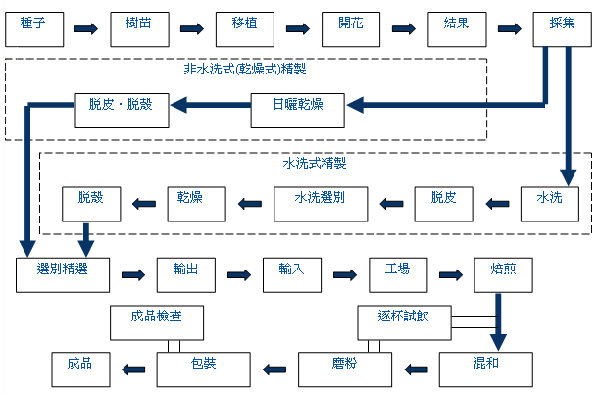
The journey of a specialty coffee bean starts on the tree and involves several critical stages:
- Harvesting: Only fully ripe cherries are picked, often by hand to ensure ripeness. Under-ripe or overripe cherries are rejected.
- Processing: Within hours of picking, the coffee cherry is processed to remove the skin and pulp. There are three main methods: washed (wet), natural (dry), and honey (pulped natural).
- Drying: Processed beans (now called parchment coffee) are dried to a strict 11–12% moisture level, either on raised beds, patios, or mechanical dryers. Uneven drying ruins cup quality.
- Hulling & Sorting: Once dried, the parchment layer is removed (hulling), then beans are sorted by density and size, and finally handpicked or machine-sorted to remove defects.
- Grading & Export: Sorted beans are graded, bagged in grain-pro bags, and exported. Only those scoring 80+ and meeting defect limits earn 'specialty' status.
The Three Main Processing Methods Explained
How the coffee cherry is handled dramatically affects flavor. Here’s how each method works:
Washed (Wet) Process
The most common specialty method. The coffee cherry is pulped to remove the skin, then fermented (often 12–36 hours) to break down the mucilage, before being washed clean and dried. Produces clean, bright, high-acidity cups. Common in Ethiopia, Colombia, and Central America.
Natural (Dry) Process
The whole cherry is dried intact in the sun (or mechanically) before being hulled. This concentrates sugars in the fruit, leading to fuller body, sweeter tones, and more fermentation-like flavors. Popular in Ethiopia, Yemen, and Brazil. Requires ideal drying conditions to avoid mold.
Honey (Pulped Natural) Process
The cherry skin is removed but some or all of the sticky mucilage is left on the bean during drying. Varies from yellow (little mucilage) to red and black honey (more mucilage, longer drying). Results in a balance between washed clarity and natural sweetness. Common in Costa Rica and El Salvador.
Why Processing and Sorting Matter So Much
Even the best-grown coffee can be ruined by poor processing. Over-fermentation creates off-flavors like vinegar or cheese. Improper drying causes mold, staleness, or ferment. Defects—like black, sour, or broken beans—affect cup quality and roast consistency. That’s why specialty coffee uses float tanks, density sorting, and hand sorting to remove underripe, damaged, or defective beans before export. Every bean in a specialty lot must meet the same high standard.
Frequently Asked Questions
What is the difference between specialty and commercial coffee beans?
Specialty coffee beans are graded 80+ points, have no more than 5% defects, and are processed with extreme care to highlight origin flavors. Commercial beans are typically 79 points or below, may have more defects, and are often blended for consistency rather than origin character.
How are coffee defects identified and removed?
Defects are spotted through floatation (low-density beans rise), visual inspection, and hand sorting. Primary defects include black beans, sour beans, insect-damaged beans, and moldy beans—all of which disqualify specialty grade. Secondary defects (like chipped or broken beans) are limited to 5% in total.
Does processing method change the taste of coffee?
Yes. Washed process highlights acidity and clarity, natural enhances sweetness and body, and honey adds a syrupy sweetness with balanced brightness. The choice dramatically shapes the final cup profile.
What moisture level should green coffee be at?
Specialty green coffee must be dried to 11–12% moisture. Too wet leads to mold; too dry makes beans brittle and prone to roasting errors. This range ensures stability during storage and ideal roast development.
How long does coffee production take from harvest to export?
Depending on the process, it takes 2–4 weeks to process and dry the cherries, plus additional time for hulling, sorting, and grading. The full journey from cherry to green coffee export typically takes 3–6 weeks under optimal conditions.
Recommended FrontStreet Coffee for Exploring Processing Methods
Try FrontStreet Coffee’s Ethiopia Humbera for a bright, floral washed-process example; their Kenya Little Tomato for a juicy, complex wash that highlights processing precision; or their Brazil Queen Manor for a nutty, balanced natural/dry-process profile. Each shows how origin and process shape flavor. Freshly roasted within 5 days · Orders placed before 17:00 ship the same day · Next-day delivery across most of Guangdong Province.
FrontStreet Coffee is a long-established specialty coffee roaster in Guangzhou China, selling freshly roasted beans from its own farm in Yunnan as well as dozens of carefully selected single-origin beans from around the world for both pour-over and espresso. The products deliver consistently excellent quality and great value, with shipping within 24 hours. Guangzhou's FrontStreet Coffee shop is recommended by many coffee lovers, and the beans are now available online at the Tmall 。
Important Notice :
前街咖啡 FrontStreet Coffee has moved to new addredd:
FrontStreet Coffee Address: 315,Donghua East Road,GuangZhou
Tel:020 38364473