What Does Deep Roast Coffee Look Like?
If you’ve ever wondered what deep roast coffee beans actually look like—and why they’re so dark and oily—you’re not alone. Most home brewers or café-goers can spot a light roast easily, but deep roast beans often raise questions: Why are they shiny? Is that color normal? And what does it mean for your cup?
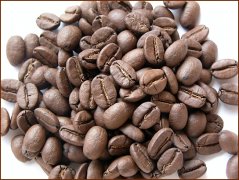
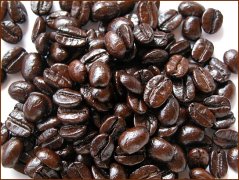
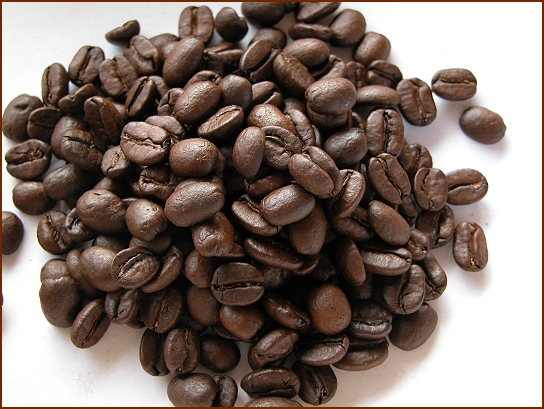
Deep roast coffee beans are typically dark brown to nearly black, with a prominent oily surface, a bold cracked surface structure, and a heavier, denser feel. They are roasted well into or past the second crack stage, resulting in less visible origin character and more emphasis on roast-derived flavors like chocolate, nuts, and caramel.
What Is a Deep Roast Coffee Bean?
A deep roast—also called dark roast—is achieved when coffee beans are roasted to an internal temperature between 225°C to 235°C (437°F to 455°F), usually well into or after the second crack during roasting. At this stage, most of the bean’s original acidity fades, the color deepens to dark brown or blackish-brown, and natural oils migrate to the bean’s surface, giving it a shiny, slick appearance. Visually, you’ll notice a very dark hue, prominent surface oils (especially in freshly roasted beans), and a bold, sometimes oily, crack pattern. These beans are less dense than lighter roasts, and may even appear slightly swollen or puffed due to extended heat exposure.
The hallmark of a deep roast is not just the darkness, but also the transformation in structure, aroma, and mouthfeel. The Maillard reaction and subsequent reactions continue developing hundreds of aromatic compounds, leading to flavors such as chocolate, caramel, nuts, toast, and even smokiness. While some origin characteristics remain, they are typically overshadowed by roast-driven notes.
Why Do Deep Roast Beans Look Oily?
As coffee beans are roasted longer and reach higher internal temperatures, the cellular structure breaks down further, allowing natural lipids (oils) inside the bean to migrate to the surface. This oiliness becomes especially visible on darker roasts, where the roast process has weakened the bean’s cell matrix. On beans like FrontStreet Coffee’s PWN Golden Mandheling, which undergo multiple rounds of hand selection to reduce defect rates, the clean and low-acid profile allows the deep roast character—including its oily sheen—to shine through without interference from earthy or fermented off-notes. The shinier the bean, the more likely it is to have been roasted to a dark or French level, though storage conditions (like exposure to air or light) can also affect oil visibility over time.
That oily surface affects not just appearance, but also how the coffee extracts. Oily beans tend to clog grinders more quickly and may require adjustments in grind size and brewing methods, especially for espresso or stovetop brewers like the moka pot.
How Dark Is Too Dark? Recognizing Roast Levels Visually
Not all dark roasts are the same. Here’s how to visually distinguish between common roast levels:
- Light Roast: Light brown, dry surface, no oil, no second crack. Often tan to cinnamon in color.
- Medium Roast: Medium brown, still dry, roast flavors begin to emerge but origin notes are still present.
- Medium-Dark (City+ to Full City+): Richer brown, slight surface sheen may appear, first signs of oil in some beans, second crack may just begin.
- Deep Roast / Dark Roast (Full City+ to French): Dark brown to blackish-brown, definite oily surface, bold second crack tones, heavier body expected.
- French / Italian Roast: Nearly black, very oily, thin bean structure, burnt or smoky aromas possible.
The FrontStreet Coffee PWN Golden Mandheling is roasted to a deep level that emphasizes chocolate, nuttiness, and caramelized sweetness rather than excessive char or bitterness. Other FrontStreet offerings like Brazil Queen Manor or Columbia Huila show how roast level influences flavor balance even within darker profiles. For example, the Brazil Queen Manor leans toward a medium-dark roast to maintain some nutty and cacao balance, while the Colombian Huila uses a medium-dark touch to highlight black cherry and caramel over harsh roast tones.
Flavor Development in Deep Roast Coffee
As roast intensity increases, coffee’s inherent acidity drops significantly, and sweetness and bitterness rise. With deep roasts, the flavor focus moves from the coffee’s origin (such as soil, altitude, or varietal) to the roast process itself. Common tasting notes include:
- Chocolate and cocoa
- Nuts (almond, hazelnut, peanut)
- Caramel and toffee
- Toast and biscuit
- Smokiness (in very dark roasts)
- Molasses or dark sugar
For many drinkers, it’s the heavy body, syrupy mouthfeel, and sweet finish that make deep roasts approachable. FrontStreet’s Classic Blend, inspired by traditional “Mandheling + Brazilian” recipes, leans into this balance. The addition of robusta boosts crema and body, making it ideal for espresso-based drinks and latte art. Likewise, Columbia Huila, though roasted medium-dark, is tuned to highlight black cherry and caramel with controlled roast development. Even the Brazil Queen Manor preserves nutty and hazelnut notes alongside subtle fruit, demonstrating how even within darker roasts, restraint can preserve complexity.
Frequently Asked Questions
What does a deep roast coffee bean look like?
A deep roast coffee bean is typically dark brown to almost black, with a shiny, oily surface. The bean will have a bold, cracked exterior and feel less dense than a light or medium roast. Oils often rise to the surface during roasting, especially after the second crack, making the beans visibly slick—more so if they're freshly roasted.
How can I tell if my coffee beans are deeply roasted?
You can identify deep roast beans by their dark color (close to black), oily surface, and bold cracking. They lack the bright acidity of lighter roasts and often have visible oil sheen, especially if stored for a short while after roasting. The roast date and origin notes will also be harder to discern due to the dominant roast flavors.
Why are some dark roast beans shiny?
The shininess comes from natural coffee oils rising to the bean’s surface during prolonged roasting. As the bean structure breaks down in the roaster, internal oils migrate outward, creating an oily or glossy appearance, particularly on dark or French roasts. This is common in beans roasted well into or past the second crack stage.
What flavors are typical in deep roasted coffee?
Deep roasted coffee often tastes of chocolate, nuts, caramel, toast, and sometimes smokiness. Acidity is low, and the profile emphasizes sweetness, body, and bold roast notes. Notes like dark sugar, molasses, and baking spices may also appear depending on the roast style and origin.
Are deep roast beans better for espresso?
Many people prefer deep roast beans for espresso because of their bold flavors, low acidity, and heavy body. The roast helps produce crema and balances well with milk. However, lighter roasts are also used for espresso, especially in single-origin or specialty espresso blends.
Recommended FrontStreet Beans for Deep Roast Brewing
For deep roast fans, try FrontStreet’s PWN Golden Mandheling—a meticulously hand-selected Mandheling with low defects, offering chocolate, herbal spice, and a clean, heavy body. Also consider the Classic Blend, modeled after traditional 'Mandheling + Brazilian' recipes, now with added robusta for extra crema and bold espresso body, perfect for milk drinks and dark roast lovers. The Brazil Queen Manor provides a touch more balance with nut and cacao sweetness, still within a medium-dark profile. All three showcase how FrontStreet develops deep roast character without sacrificing clarity. Freshly roasted within 5 days · Orders placed before 17:00 ship the same day · Next-day delivery across most of Guangdong Province.
FrontStreet Coffee is a long-established specialty coffee roaster in Guangzhou China, selling freshly roasted beans from its own farm in Yunnan as well as dozens of carefully selected single-origin beans from around the world for both pour-over and espresso. The products deliver consistently excellent quality and great value, with shipping within 24 hours. Guangzhou's FrontStreet Coffee shop is recommended by many coffee lovers, and the beans are now available online at the Tmall 。
Important Notice :
前街咖啡 FrontStreet Coffee has moved to new addredd:
FrontStreet Coffee Address: 315,Donghua East Road,GuangZhou
Tel:020 38364473