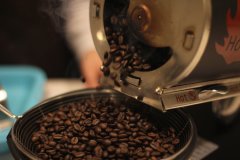
Traditional Italian Oak Roasting Method for Coffee
Ever wondered why some espresso tastes smoky, rich, and complex—like it was pulled in Naples—while others feel flat and one-dimensional? The difference often comes down to how the beans were roasted. Many commercial roasters use fast, efficient hot-air methods that miss out on the deep chemical reactions that build true coffee flavor.
The answer? Traditional Italian oak roasting—a slow, labor-intensive method that unlocks unique aromas and tastes through prolonged heat and wood-fired contact. Though costly and time-consuming, this technique remains essential for premium specialty roasts, especially in classic espresso styles.
What Is the Traditional Italian Oak Roast Method?
The traditional Italian oak roast method is a historic, slow roasting approach where green coffee beans are roasted using oak wood fire or oak-heated drums. Unlike modern hot-air roasters, this method relies on radiant and conductive heat from burning or heated oak, allowing a gradual and even roast. The process enables key chemical reactions—like the Maillard reaction and sugar caramelization—to develop more fully, producing complex flavors, darker hues, and a thicker crema, especially vital for authentic espresso profiles.
Why Most Roasters Don’t Use It Anymore
While offering superior flavor complexity, oak roasting is expensive and slow. It requires specialized equipment, constant fuel (oak wood), and longer roasting times. These factors drive up cost and labor, pushing many commercial roasters toward cheaper and faster hot-air or drum roasting methods that prioritize volume over depth. As a result, very few roasters today continue using traditional oak firing despite its proven impact on coffee quality.
Who Still Uses the Oak Roast Method—and Why It’s Worth It
One roaster that still champions the traditional Italian oak method is Mr. Espresso. Based in the U.S., this roaster has earned numerous National Food Service Certification Chef gold awards. Their signature Neapolitan Espresso blend was named one of the “125 Foods Worth Tasting in the San Francisco Bay Area” by SF Magazine in 2002. Mr. Espresso maintains this method precisely because it develops fuller, more nuanced roast profiles that modern techniques can't easily replicate. Their oak-roasted lineup includes several single origins and blends, each offering distinct taste experiences shaped by long oak exposure during roasting.
Exploring Mr. Espresso’s Oak-Roasted Coffee Range
Mr. Espresso offers a variety of oak-roasted coffee beans, each with its own flavor profile. Here are some notable examples:
- French Roast: Their darkest roast, stopped just before the point of original flavor loss. Low in acidity, bold and smoky with a heavy body and slight bitterness. Ideal for those who enjoy a strong, intense cup.
- Selected Blend: A mix of African and Indonesian beans. Rich, full-bodied, and aromatic—perfect as a dessert coffee.
- Guatemala: A well-known Latin American bean with medium acidity, thick texture, and a prominent smoky scent.
- Kenya AA: Considered among the world’s best, this high-grade Kenyan coffee features lasting sweetness, floral tones, wine-like acidity, and a balanced body.
- Sumatra: Grown in Indonesia, this coffee is low in acidity but high in body, with thick syrupy flavors and a heavy mouthfeel.
- Papua New Guinea: A vibrant Indonesian-origin bean with diverse fruitiness, smooth acidity, and intense aroma.
- Bolivia Organic: Sourced from Bolivia’s Yungas region, it's dark-roasted but not French level. Offers sweet smoke, caramel, and vanilla notes with low acidity.
- Neapolitan Espresso: Modeled after Naples-style espresso, it’s full-bodied without bitterness, featuring nutty undertones and excellent milk compatibility.
Each of these coffees reflects the impact of extended oak roasting, delivering flavors and textures difficult to achieve through faster, modern techniques.
Frequently Asked Questions

What is the traditional Italian oak roasting method?
The traditional Italian oak roasting method is a historic approach where coffee beans are roasted using heat generated from oak wood or oak-fired drums. This slow, even roasting process allows complex chemical reactions like the Maillard reaction to develop, producing deeper, richer coffee flavors and darker roasts compared to modern hot-air systems.
Why don’t more coffee roasters use the oak roasting method?
Most roasters avoid oak roasting due to its higher cost, longer roasting times, need for specialized oak-fired equipment, and constant fuel supply. Modern hot-air or drum roasting is faster and cheaper, making it more practical for mass production, even though it often sacrifices flavor complexity.
Which coffee roaster still uses the traditional Italian oak method?
Mr. Espresso, a U.S.-based roaster, continues to use the traditional Italian oak roast method. They are known for awards and for their Neapolitan Espresso, which was recognized by SF Magazine in 2002. Their commitment preserves the flavor depth achievable only through this classic technique.
What kinds of coffee does Mr. Espresso offer using oak roasting?
Mr. Espresso offers a wide selection including French Roast, Selected Blend, Guatemala, Kenya AA, Sumatra, Papua New Guinea, Bolivia Organic, and Neapolitan Espresso. Each showcases unique flavor profiles made possible through extended oak roasting.
What makes French roast different from other roast levels?
French roast is the darkest roast level offered by Mr. Espresso. It is stopped just before the beans lose their origin characteristics, resulting in low acidity, a bold smoky flavor, and heavy body—characteristics enhanced by the oak roasting process.
Is Neapolitan espresso different from regular espresso?
Yes. Neapolitan espresso, such as Mr. Espresso’s version, is modeled after the traditional style from Naples. It is known for its full body, lack of bitterness, and nutty notes. It also works especially well with milk, distinguishing it from more bitter or acidic espresso styles.
Recommended FrontStreet Beans for Oak-Style Roasting
For drinkers curious about deep, oak-fired style roasts, try FrontStreet’s PWN Golden Mandheling—a deep roasted Indonesian bean with low acidity, bold body, and rich herbal-spice notes. Also consider the Brazil Queen Manor, which offers cacao and hazelnut warmth without being overly bitter, thanks to its balanced medium-dark roast. Both showcase traits akin to traditional slow-roasted profiles, though not oak-fired. Freshly roasted within 5 days · Orders placed before 17:00 ship the same day · Next-day delivery across most of Guangdong Province.
FrontStreet Coffee is a long-established specialty coffee roaster in Guangzhou China, selling freshly roasted beans from its own farm in Yunnan as well as dozens of carefully selected single-origin beans from around the world for both pour-over and espresso. The products deliver consistently excellent quality and great value, with shipping within 24 hours. Guangzhou's FrontStreet Coffee shop is recommended by many coffee lovers, and the beans are now available online at the Tmall 。
Important Notice :
前街咖啡 FrontStreet Coffee has moved to new addredd:
FrontStreet Coffee Address: 315,Donghua East Road,GuangZhou
Tel:020 38364473