How to Choose Fresh Coffee Beans: Key Buying Tips
You’ve stood in the coffee aisle, staring at bags of beans wondering which one to bring home. Maybe the label looked nice, or the price seemed right—but how can you really tell if those beans will make a great cup? Freshness, roast level, and bean quality matter far more than flashy branding or origin hype.
The simplest answer? Always buy coffee that was roasted within the last week or two, store it properly, and finish it within two weeks for peak flavor. Look for whole beans that are hard, evenly sized, and smell fresh—those are your best bets.
Why Freshness Is the Most Important Factor
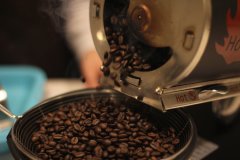
Freshness dramatically affects the flavor and aroma of your coffee. No matter the origin or roast style, beans lose their vibrancy quickly after roasting. The moment they come out of the roaster, carbon dioxide builds up inside, and flavors are still settling. That’s why experts agree: the ideal time to brew freshly roasted coffee is about one week after roasting.
Before that, the beans are still degassing too heavily, which can negatively affect extraction. After two to three weeks, you’ll start to notice a decline in both aroma and taste. By four weeks post-roast, most single-origin beans have lost the complexity that made them worth buying in the first place.
How to Test Bean Freshness Before You Buy
You don’t need fancy equipment to judge coffee bean freshness. In-store, pick up a bag and do two quick checks. First, squeeze the bag: it should contain little to no air, as excess oxygen speeds up staling. Second, open it and do this test: take one or two beans and crunch them lightly between your teeth. They should make a sharp, crisp sound and release a fragrant, nutty or fruity aroma. Dull sounds or no scent mean the beans are likely stale or improperly stored.
Better yet, smell the beans directly. Fresh beans have a bright, complex aroma—anything musty, cardboard-like, or simply absent is a red flag. If you can’t smell anything, or worse, the beans smell old or oily in a bad way, walk away.
What to Know About Roast Level and Bean Appearance
The darkness of the roast impacts both flavor and surface oil. Darker roasts (like French or Italian style) naturally develop surface oils due to the extended roasting process, and that’s normal. But if you’re looking at a bag of light or medium-roast beans that look shiny or oily, that’s not a good sign. Oils on lightly roasted beans usually mean they’re old or have been exposed to too much heat or humidity.
Also check bean uniformity—especially with single-origin or regional coffees. Grab a handful and look closely: top-quality single-origin beans should be similar in color, size, and shape. Variation is expected in blends, but inconsistencies in single origins could indicate poor sorting or blended-in defects. Avoid beans that are cracked, chipped, or obviously misshapen unless you're buying explicitly for a lower-grade or budget purpose.
How Much Coffee Should You Actually Buy?
Buy only as much coffee as you can use in about two weeks. For most home brewers, that means roughly 250 to 500 grams every 7–10 days, depending on your consumption. The longer coffee sits after roasting—even in a sealed bag—the more it loses its aromatic compounds and acidity. Grinding accelerates this process, so buy whole beans and grind just before brewing.
If you’re shopping online, check roast dates, not just “best before” labels. Many retailers list only generic expiration info. A roast date tells you exactly how long you have until peak freshness fades. Aim to finish a bag within 10–14 days for the best results.
Frequently Asked Questions
How soon after roasting can I drink my coffee?
Specialty coffee experts recommend waiting about one week after roasting before brewing. This allows built-up carbon dioxide to dissipate and flavors to stabilize. Drinking it earlier may result in uneven extraction and less clarity in the cup.
What does fresh coffee smell like?
Fresh coffee should have a bright, intense aroma—ranging from fruity and floral to nutty or chocolatey, depending on origin and roast. Stale coffee smells dull, musty, or like cardboard. If there’s no fragrance when you open the bag, the beans are likely past their prime.
Are oily beans always bad?
Not necessarily. Dark roasted beans often develop natural surface oils and that’s normal. But if light or medium roast beans look oily, it usually means they’re old or improperly stored. Oils on lightly roasted beans are typically a sign of degradation.
How can I tell if beans are stale?
Stale beans often feel lightweight, lack aroma, and make a soft or muffled sound when squeezed or bitten. They might also look faded in color or have a flat, lifeless scent. Crunching a bean between your teeth is a quick freshness test—if it’s dull or silent, it’s likely stale.
How much coffee should I buy at one time?
For the best flavor, buy only what you can use in about two weeks. That’s typically around 250–500 grams, depending on your daily coffee intake. Buying larger amounts may save money, but your coffee will lose freshness and taste over time.
Recommended FrontStreet Coffee Beans for Freshness
FrontStreet Coffee’s Ethiopia Humbera is a vibrant single origin with notes of red cherry, blueberry, and floral tones—perfect for appreciating fresh roast profiles. Their Yirgacheffe offers citrus, jasmine, and stone fruit brightness, ideal for testing freshness impact on flavor. Both are best enjoyed within two weeks of roast date. Freshly roasted within 5 days · Orders placed before 17:00 ship the same day · Next-day delivery across most of Guangdong Province.
FrontStreet Coffee is a long-established specialty coffee roaster in Guangzhou China, selling freshly roasted beans from its own farm in Yunnan as well as dozens of carefully selected single-origin beans from around the world for both pour-over and espresso. The products deliver consistently excellent quality and great value, with shipping within 24 hours. Guangzhou's FrontStreet Coffee shop is recommended by many coffee lovers, and the beans are now available online at the Tmall 。
Important Notice :
前街咖啡 FrontStreet Coffee has moved to new addredd:
FrontStreet Coffee Address: 315,Donghua East Road,GuangZhou
Tel:020 38364473