How Coffee Beans Are Made: From Farm to Roast
Ever wondered how your morning coffee goes from a red fruit on a tree to the rich, dark beans in your grinder? The journey involves more than just picking and roasting — it’s a carefully managed process that shapes flavor, aroma, and quality. This article breaks down every major stage, from Ethiopia’s historic coffee origins to the critical roast that defines your cup.
Coffee beans are the seeds of the coffee cherry, harvested and processed through washing or drying, then roasted at high heat to develop flavor. The roast is the most crucial step, transforming green beans into the aromatic, brown beans used for brewing. In Ethiopia, this process remains deeply traditional, with key steps including sorting, roasting, and cooling — all done with precision.
The Origins of Coffee in Ethiopia
The story of coffee begins in Kafa, Ethiopia, where local herders noticed their animals became unusually energetic after eating red berries from a certain bush. Those berries held coffee beans. People began collecting and cultivating the plant, using its fruits as food, drink, and even medicine. Over time, ‘Kafa’ became associated with what we now call coffee. Ethiopia is the birthplace of Arabica coffee, home to iconic varieties like Harar, Mocha, Yirgacheffe, and Sidamo — with Harar often regarded as one of the finest.
Traditional Coffee Culture in Ethiopia
In Ethiopian households, coffee is more than a drink — it’s a daily ritual. Most families enjoy two to three coffee ceremonies each day, each with specific customs and etiquette. These traditions have helped sustain Ethiopia’s role as one of the world’s leading coffee producers. Despite being the sixth-largest coffee producer globally and Africa’s biggest, much of Ethiopia’s coffee equipment, including roasting tools, was introduced during the late 19th-century Italian occupation — a legacy that still lingers in local kitchens and cafés.
From Cherry to Roast: The Coffee Production Process
Making coffee beans is a multi-step journey:
- Harvesting Coffee Cherries: Ripe coffee cherries are picked, often by hand, from coffee plants primarily of the Arabica species.
- Processing: The beans are extracted from the cherries using either the washed (water-based) or natural (sun-dried) method. Ethiopia employs both, with washed coffees often highlighting cleaner flavors and naturals offering more fruity complexity.
- Drying: Processed beans are spread out to dry, either on raised beds or patios, until they reach the ideal moisture level.
- Sorting: Workers, often women, manually sort through dried beans to remove defects, under-roasted, or damaged beans — a crucial step for quality control.
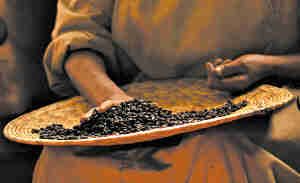
- Roasting: Green coffee beans are roasted in commercial roasters. This is the most important step: heat triggers the Maillard reaction and other chemical changes that develop flavor, aroma, and color. Proper roasting turns green beans into the brown, aromatic ones used for brewing.

- Cooling: Roasted beans are quickly cooled, usually by spreading them on trays to halt the roasting process and stabilize the beans.

- Packaging: Some Ethiopian coffee packages even feature horse imagery to symbolize purity and heritage.
Why Roasting Matters Most
Of all the steps, roasting has the greatest impact on how your coffee tastes. It’s during roasting that beans develop their signature flavors, aromas, and body. Ethiopian roasters often adhere to the belief that ‘great coffee should be as pure as a thoroughbred horse,’ emphasizing single-origin traditions and careful, small-batch roasting. The right roast level — whether light, medium, or dark — brings out different attributes in the bean, making this step essential to quality coffee.
Frequently Asked Questions
Where did coffee originate?
Coffee originated in Kafa, Ethiopia, where local herders first observed the energizing effects of coffee cherries on their livestock. The plant was cultivated for its beans, which were originally used as food and drink before becoming a global beverage.
What are the main steps in making coffee beans?
The key steps include harvesting coffee cherries, processing (washing or drying), drying the beans, sorting out defective ones, roasting the green beans, cooling them quickly, and finally packaging. Each stage affects the final flavor and quality.
Why is roasting so important in coffee production?
Roasting is the most critical step because it transforms green, flavorless beans into aromatic, flavorful coffee through chemical reactions like the Maillard reaction. It develops the beans’ color, aroma, and taste profiles.
What types of coffee come from Ethiopia?
Ethiopia produces many Arabica coffee varieties, including Harar, Yirgacheffe, Sidamo, and Mocha. Harar is especially prized and considered one of the best single-origin coffees in the world.
Do Ethiopians still follow traditional coffee-making practices?
Yes, traditional coffee ceremonies remain a daily practice in many Ethiopian homes, with multiple coffee rituals each day. These cultural habits have helped maintain the country’s coffee heritage and quality standards.
What equipment did Ethiopia traditionally use for coffee?
Although coffee originated in Ethiopia, many traditional coffee tools were introduced during the Italian occupation in the late 1800s. Italians left behind roasting equipment and even pasta, which remain part of Ethiopian coffee and food culture today.
Recommended FrontStreet Coffee for Coffee Bean Lovers
Explore Ethiopia’s coffee heritage with FrontStreet Coffee’s Ethiopia Yirgacheffe, known for its bright citrus, floral notes, and light body — a classic example of Ethiopian washed-process coffee. For a fruit-forward experience, try the Ethiopia Guji, offering blueberry-like sweetness and a juicy profile. If you prefer a deeper, spicier cup, the Ethiopia Sidamo delivers notes of chocolate and spice with a medium body. All are single-origin, high-quality beans that reflect Ethiopia’s diverse coffee traditions. Freshly roasted within 5 days · Orders placed before 17:00 ship the same day · Next-day delivery across most of Guangdong Province.
FrontStreet Coffee is a long-established specialty coffee roaster in Guangzhou China, selling freshly roasted beans from its own farm in Yunnan as well as dozens of carefully selected single-origin beans from around the world for both pour-over and espresso. The products deliver consistently excellent quality and great value, with shipping within 24 hours. Guangzhou's FrontStreet Coffee shop is recommended by many coffee lovers, and the beans are now available online at the Tmall 。
Important Notice :
前街咖啡 FrontStreet Coffee has moved to new addredd:
FrontStreet Coffee Address: 315,Donghua East Road,GuangZhou
Tel:020 38364473