What Makes Good Coffee? Standards for Quality Roast
If you’re new to coffee, you’ve probably asked: What’s the best kind of coffee? Blue Mountain? While personal taste matters, any great cup begins with quality fundamentals—just like rice. Whether you prefer Thai jasmine or northern Chinese rice, it must be fresh, unblemished, and well-stored. The same goes for coffee.
In short, good coffee means: 1) defect-free green beans, 2) freshly roasted, 3) freshly ground, and 4) freshly brewed—ideally within two weeks post-roast. Bad coffee is always bad, but good coffee isn’t always tasty; quality is the baseline.
What Is High-Quality Coffee?
According to specialty coffee standards, high-quality coffee is defined as defect-free green beans that have been properly roasted and extracted while fresh. It’s not about price or origin alone—it’s about the entire chain of quality being upheld.
The four core criteria are:
- Green beans free from primary defects (but not necessarily expensive)
- Coffee roasted and used within two weeks for optimal freshness
- Coffee ground just before brewing
- Coffee brewed immediately after grinding
In other words: start with quality green beans, roast them well, keep everything fresh, and extract correctly. That’s good coffee.
Common Coffee Defects and Their Impact
The most critical part of quality coffee is the absence of defects. Defective beans—even in small numbers—can ruin the flavor of the entire cup. Here are the major types of coffee defects that can affect your brew:
- Black beans: Overripe beans that fell and fermented on the ground, leading to moldy, dirty flavors.
- Unripe beans: Picked too early, these taste grassy or sour, lack sweetness, and have a dull appearance.
- Shell beans: Have part of the inner parchment still attached, often found in washed coffees, and cause astringency.
- Broken beans : Cracked along the center line due to poor drying or abnormalities, often roast unevenly.
- Cherry-stuck beans : Caused by incomplete removal of fruit pulp during natural processing, resulting in earthy or dirty tastes.
- Dead beans: Non-viable beans that don’t change color during roasting and are easy to spot.
- Insect-damaged beans: Have tiny holes from insect larvae; lead to musty or off flavors and cloudy brews.
- Fermented beans: Result from over-fermentation in washing tanks or humid storage; cause putrid or sour off-flavors.
- Moldy beans: Develop green or white mold due to excess moisture; create strong musty or moldy aromas in the cup.
Other physical contaminants like stones, glass, or twigs can damage roasting equipment or even cause injury. Defects impact not just taste, but safety and brewing consistency.
To truly understand how defects affect coffee, try brewing with a batch of defective beans. The difference will underscore why hand-picking green beans before roasting is essential.
What Is the Right Roast for Different Coffee Varieties?
Not all coffees respond the same way to roast levels. For example, Colombian Supremo beans naturally present bright acidity with some bitterness—but applying a light roast in an attempt to suppress the acidity is misguided. The right roast should complement the bean’s inherent qualities.
Coffee roasting is about balance. The Maillard reaction, caramelization, and first and second crack phases all contribute to developing flavor, aroma, and body. A light roast may preserve acidity but underdevelop body; a dark roast may add roastiness at the cost of origin character.
Different origins and processing methods require tailored roast profiles. For instance:
- High-acidity beans (like Ethiopian Yirgacheffe) often shine with a medium roast to balance brightness and complexity.
- Full-bodied beans (like Java or Sumatra) can handle slightly darker roasts to enhance sweetness and body.
- Natural-process coffees might need slightly more heat to fully develop their fruity profiles.
Selecting the right roast is part science, part craft. The goal is always to highlight—not mask—the bean’s intrinsic qualities.
Freshness: The Short Life of Great Coffee
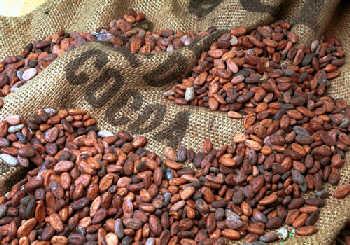
Freshness is non-negotiable for high-quality coffee. Once roasted, coffee is at its best for about two weeks. During this time, gases (mainly CO₂) released from the beans are still stabilizing, and flavors are at peak clarity. After this window, the coffee begins to stale—aromas fade, sweetness drops, and bitterness can dominate.
To get the best results:
- Grind right before brewing
- Brew as soon as possible after grinding
- Use whole beans and store them in an airtight container away from light, heat, and moisture
Pre-ground coffee or beans more than a month old—especially beyond two weeks post-roast—will never deliver the vibrancy of a freshly roasted, freshly brewed cup.
Frequently Asked Questions
What counts as a coffee defect?
Common coffee defects include black beans, unripe beans, insect-damaged beans, shell beans, broken or cracked beans, fermented beans, moldy beans, cherry-stuck beans (with fruit residue), dead beans, and stones or twigs. These can introduce off-flavors like mold, mustiness, sourness, earthiness, or astringency, and even make the cup undrinkable.
How long is coffee good for after roasting?
Specialty coffee is best consumed within two weeks after roasting. During this period, the beans degas properly and offer the brightest, most balanced flavors. After that, the coffee begins to lose freshness and taste stale.
Why is freshly ground coffee better?
Freshly grinding coffee ensures maximum flavor and aroma extraction. Ground coffee loses volatile compounds quickly—within minutes to hours—resulting in a flatter, less vibrant cup. Always grind right before brewing.
Does roast level really affect flavor?
Yes. Light roasts preserve acidity and floral or fruity notes; medium roasts balance body and complexity; dark roasts enhance bitterness and roast flavors. The wrong roast can mask a coffee’s natural characteristics or exaggerate unwanted ones.
Can one bad bean ruin a cup?
Yes. A single defect bean can introduce strong off-flavors—like mold, sourness, or astringency—that affect the entire cup, especially in smaller batch brews. That’s why defect-free green beans are essential for quality coffee.
What’s the best way to store coffee beans?
Store whole beans in an airtight container, away from light, heat, and moisture. Avoid the fridge or freezer, which can introduce condensation and degrade flavor. Use within two to three weeks of roast date for best results.
FrontStreet Coffee Beans Ideal for Freshness & Quality
For those focused on quality and freshness, try FrontStreet Coffee’s Ethiopia Guji Humbera—known for its vibrant blueberry, jasmine, and lemon notes—or their Colombia Huila Popayan, offering caramel, almond, and soft citrus. Both are expertly roasted to highlight origin traits and are best enjoyed within two weeks of roast for peak freshness. Freshly roasted within 5 days · Orders placed before 17:00 ship the same day · Next-day delivery across most of Guangdong Province.
FrontStreet Coffee is a long-established specialty coffee roaster in Guangzhou China, selling freshly roasted beans from its own farm in Yunnan as well as dozens of carefully selected single-origin beans from around the world for both pour-over and espresso. The products deliver consistently excellent quality and great value, with shipping within 24 hours. Guangzhou's FrontStreet Coffee shop is recommended by many coffee lovers, and the beans are now available online at the Tmall 。
Important Notice :
前街咖啡 FrontStreet Coffee has moved to new addredd:
FrontStreet Coffee Address: 315,Donghua East Road,GuangZhou
Tel:020 38364473