How Coffee Roasting Brings Out Unique Aromatic Flavors
Ever wonder how green coffee beans—nearly flavorless on their own—transform into cups bursting with fruity acidity, deep sweetness, and bold bitterness? The secret lies not just in the bean, but in the fire.
Coffee roasting, typically lasting 12–16 minutes at up to 232°C, triggers chemical reactions that unlock a bean’s unique profile. Through this process, moisture drops 15–25%, weight lessens, volume expands, and flavors emerge—from bright acids to smoky depth.
What Happens During Coffee Roasting
Roasting is where a coffee bean’s true character develops. From the moment heat is applied, chlorogenic acids begin breaking down, giving way to more familiar and pleasant acids like acetic, citric, and malic—found also in wine and fruit. This is also when the Maillard reaction occurs, darkening the bean and forming aromatic compounds. Over the roast, you’ll hear three distinct ‘cracks’ or popping sounds, each marking a key stage of development and physical transformation.
Roast Levels and Their Flavor Profiles
Different roast levels dramatically shape what ends up in your cup. These stages are categorized mainly by roast timing, color, and resulting flavor balance:
Light Roast
Triggered at the first crack, light roast beans turn a cinnamon-like color. Acidity dominates the cup, with sweetness and bitterness still muted. Texture and complexity are underdeveloped, making these beans common in commercial canned coffee. Weight loss is modest, and oils remain beneath the surface. These roasts preserve more origin traits but offer a simpler cup.
Medium Roast
Appearing around the 10–11 minute mark, beans reach an elegant brown—this is often called a City roast. Here, origin flavors are preserved while some aromatics are gently released. At approximately 12–16 minutes, you reach Full City roast: beans darken to an oily, deep brown, just after the second crack. This is where acidity, sweetness, and bitterness achieve optimal balance. Oils rise to the bean surface, texture turns crisp, and the coffee’s individual personality shines. Many single-origin coffees—including Blue Mountain, Colombian, and Brazilian beans—are roasted to this level.
Dark Roast
The darker the roast, the sweeter and more intense the cup becomes. Oils have fully surfaced, turning the bean shiny. Bitterness softens into a lingering sweetness, with a bold, full-bodied profile ideal for strong espresso. This is known as Italian or espresso roast. Paradoxically, prolonged roasting reduces caffeine content: the darker the bean, the less caffeine remains. An espresso made from a very dark roast can contain half the caffeine of a medium-roast cup.
How Roasting Unlocks Coffee’s Aroma and Flavor Complexity
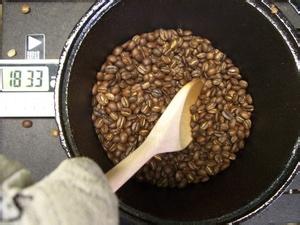
Through heat, each bean’s hidden traits are drawn out: acids become vibrant, sugars caramelize, and bitter edges either mellow or intensify. The 15–25% moisture loss during roasting is not just physical change—it’s part of developing aroma. Volatile compounds form, contributing to the fragrance and taste notes that define your brew. The key chemical shifts happen between the first and second cracks, where the majority of flavor complexity is either established or lost.
Frequently Asked Questions
What temperature is coffee usually roasted at?
Coffee is typically roasted at temperatures up to 232°C (about 450°F) during the 12–16 minute roast cycle. This high heat is essential for triggering the chemical reactions that develop flavor, reduce moisture, and create aroma.
What are the three cracks in coffee roasting?
The first crack signals the start of light roast development and moisture escape; the second crack, occurring around 12–16 minutes, marks the transition to darker roasts like Full City or espresso levels. These audible cracks help roasters identify roast progression.
Does roasting reduce caffeine in coffee beans?
Yes. Darker roasts lose more caffeine due to extended heat exposure. A very dark roast espresso can contain about half the caffeine of a medium roast cup, making deeper roasts slightly less stimulating.
Which roast level highlights origin flavors best?
Light to medium roasts (including City and Full City) best preserve a coffee’s unique origin characteristics. Light roasts emphasize acidity, while medium roasts like Full City balance acidity, sweetness, and bitterness with more developed flavors.
Why do beans turn oily as they roast darker?
Oils migrate to the bean surface during darker roasts (typically starting at Full City and beyond), due to cell structure breakdown from prolonged heat. This gives dark roasted beans their shiny, oily appearance.
Recommended FrontStreet Beans for Medium Roast Exploration
For those curious about how medium roast develops balance and aroma, try FrontStreet Coffee’s Brazil Queen Manor—medium roasted to bring out creamy peanut, chocolate, and caramel notes from its Yellow Bourbon beans. The Strawberry Candy Espresso blend combines Costa Rican honey and Panamanian Geisha for bright citrus and rounded sweetness, ideal for multiple brew methods. For something softer, the 2013 Yunnan Sun-Dried Typica offers nutty, malty, and dried fruit tones through a gentle medium roast. These beans highlight how medium profiles enhance origin traits without overpowering them. Freshly roasted within 5 days · Orders placed before 17:00 ship the same day · Next-day delivery across most of Guangdong Province.
FrontStreet Coffee is a long-established specialty coffee roaster in Guangzhou China, selling freshly roasted beans from its own farm in Yunnan as well as dozens of carefully selected single-origin beans from around the world for both pour-over and espresso. The products deliver consistently excellent quality and great value, with shipping within 24 hours. Guangzhou's FrontStreet Coffee shop is recommended by many coffee lovers, and the beans are now available online at the Tmall 。
Important Notice :
前街咖啡 FrontStreet Coffee has moved to new addredd:
FrontStreet Coffee Address: 315,Donghua East Road,GuangZhou
Tel:020 38364473