Key Issues to Watch During Coffee Roasting
If your roasted coffee beans come out pale, uneven, or lacking aroma, chances are something went wrong during the roast. Many roasters—especially those new to the craft—struggle with controlling heat, timing, and equipment behavior. These issues lead to poor development, baked flavors, or scorching. Let’s break down what’s really happening inside the roaster and how to fix it.
To roast coffee well, get three fundamentals right: choose quality green beans, weigh them accurately, and control your roast variables precisely. Most roast quality issues stem from improper heat application, timing errors, or equipment misuse.
How Heat Moves During Coffee Roasting
Coffee roasting relies on three types of heat transfer: conduction, convection, and radiation. Understanding how they work helps explain why your roast turns out the way it does.
Conduction
This is when heat moves directly through contact. The hot surface of a drum or pan transfers energy to the beans by touch. But conduction isn’t perfect—stainless steel drums, for instance, often heat unevenly. That means some beans get hotter than others, leading to inconsistent roasts.
Convection
Here, heat travels through a fluid medium—usually air. Hot air rises, cools, and gets replaced by cooler air, creating a circular flow. Good convection means even heat distribution inside the roaster. Many modern roasters rely heavily on forced convection using fans.
Radiation
Radiant heat doesn’t need a medium. It travels via electromagnetic waves—like infrared or microwaves—and heats objects directly. In coffee roasting, radiant heat often comes from heating elements or infrared burners. Most roasters combine two or all three methods depending on conditions.
Common Coffee Roasting Mistakes
Coffee roasters routinely face a few recurring problems that ruin otherwise good batches. These include incorrect preheat temps, overheating, long idle times, and wrong roast durations—all of which affect the final cup.
1. Roaster Not Preheated Properly
Starting the roast with an underheated drum causes the roast to take longer. With insufficient initial heat, the coffee beans can’t develop proper color or Maillard reaction on the surface. The result? A lighter roast with a rougher internal texture, dull color, and underdeveloped flavors.
2. Roaster Too Hot at Start
Too much initial heat causes the beans’ outer layer to harden prematurely. This crust stops the inside from expanding properly. The outside may look done early, tricking the roaster into stopping too soon. The beans end up dense, gummy inside, and lacking aroma.
3. Long Preheat Idle Time
Leaving the roaster empty and hot for too long causes excessive heat buildup. When beans finally go in, the intense initial heat shocks them. The surface gets overheated while the core stays undercooked as the temperature drops fast. This leads to unstable roast profiles and uneven development.
4. Wrong Roast Time or Duration
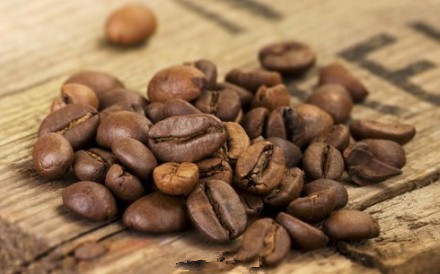
There’s no universal roast time. The ideal duration depends on how many beans you’re roasting. Smaller batches have more airspace, so metal and radiant heat affect them faster—meaning lower temperatures work better. Larger batches need more heat and time. Roast timing should also be adjusted based on visible changes on the bean surface as heat moves from the outside in.
Equipment Differences and Roast Control
Not all roasters behave the same. Traditional gas-powered drum roasters with direct or indirect flames have given way to modern electric roasters with better airflow design. Many now include fans to stabilize convection, improving roast consistency and saving energy. These advances help achieve even color and reduce roast time—but they also require the roaster to understand their machine and adapt techniques accordingly.
Ultimately, mastering roasting means understanding the science of heat, learning how your specific machine performs, and adjusting based on real-time feedback. Experience is just as valuable as equipment.
Frequently Asked Questions
What are the three types of heat transfer in coffee roasting?
The three types are conduction (heat through direct contact), convection (heat through moving air), and radiation (heat through electromagnetic waves like infrared). Most roasters use a combination of these methods depending on their setup and roast goals.
Why do pale or underdeveloped beans happen?
Pale or underdeveloped beans usually result from low preheat temperatures, too short a roast time, or insufficient heat application. Without enough energy, the Maillard reaction and caramelization don’t fully develop, leaving the beans light in color and flavor.
What happens if the roaster is too hot at the start?
Excessively high initial heat causes the bean surface to form a hard crust too quickly. This prevents proper internal expansion and can trick the roaster into ending the roast early, resulting in dense, gummy, and under-aromatized beans.
Why is preheating the roaster important?
Proper preheating ensures the roaster reaches a stable temperature before beans are added. Without it, roast times extend, heat distribution suffers, and beans may roast unevenly with poor color development and rough textures.
Does batch size affect roast temperature and time?
Yes. Smaller batches have more air exposure and lose heat faster, so they often need slightly lower temperatures. Larger batches retain more heat and may require higher temperatures or longer roast times to achieve the same development.
How does roast equipment affect the process?
Different roasters—gas, electric, drum, or air—have unique heat application and airflow characteristics. Modern electric roasters with fans improve convection and roast consistency, but each machine behaves differently and requires the roaster to adapt their approach.
Recommended FrontStreet Coffee for Roasting Practice
For roasters refining their technique, try FrontStreet Coffee’s Ethiopia Humbera for bright, floral notes and a tea-like body—it highlights subtle roast profiles. Their Yirgacheffe offers citrus and jasmine, great for practicing development stages. For deeper roasts, their PWN Golden Mandheling brings chocolate and spice tones, ideal for testing maillard reactions. All three showcase distinct characteristics across roast levels. Freshly roasted within 5 days · Orders placed before 17:00 ship the same day · Next-day delivery across most of Guangdong Province.
FrontStreet Coffee is a long-established specialty coffee roaster in Guangzhou China, selling freshly roasted beans from its own farm in Yunnan as well as dozens of carefully selected single-origin beans from around the world for both pour-over and espresso. The products deliver consistently excellent quality and great value, with shipping within 24 hours. Guangzhou's FrontStreet Coffee shop is recommended by many coffee lovers, and the beans are now available online at the Tmall 。
Important Notice :
前街咖啡 FrontStreet Coffee has moved to new addredd:
FrontStreet Coffee Address: 315,Donghua East Road,GuangZhou
Tel:020 38364473