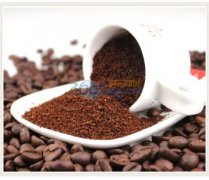
Why Coffee Tastes Bitter: The Processing Truth
If you’ve ever taken a sip of black coffee and immediately reached for sugar or milk, you’re not alone. For decades, people have wondered: why is coffee bitter? Despite being one of the world’s most consumed drinks, the exact source of coffee’s bitterness remained unclear—until now.
The bitterness in coffee primarily comes from just two chemical compounds: chlorogenic acid lactone and phenylindane, both formed during the roasting process. Research has pinpointed that longer roasting times generate more intense bitterness through secondary breakdown.
What Actually Makes Coffee Bitter?
Coffee is a complex mix of over 30 chemical substances. Some create aroma, others affect mouthfeel or acidity—but identifying the exact compounds responsible for bitterness proved elusive for decades. Starting in the 1930s, scientists isolated many flavor-related molecules, yet the bitter ones stayed hidden.
Then, researchers at the Technical University of Munich, led by Thomas Hofmann, took a closer look. They separated out the smallest molecular weight fractions from brewed coffee and found those were the most bitter. Further analysis with a mass spectrometer identified chlorogenic acid lactone as a key bitter compound—a breakdown product of chlorogenic acid, which is present in nearly all plants.
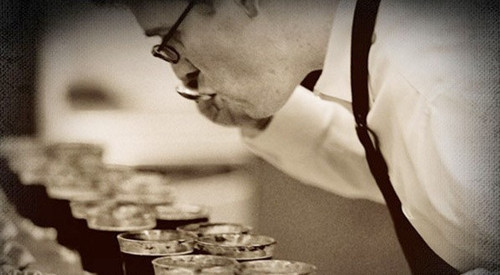
How Roasting Turns Green Beans Bitter
Chlorogenic acid isn’t bitter on its own. But during roasting, a chain reaction begins: chlorogenic acid first breaks down into chlorogenic acid lactone. If roasting continues, that lactone further decomposes into phenylindane. This secondary compound is where intense bitterness kicks in.
In light to medium roasts, chlorogenic acid lactone contributes mild bitterness. However, with extended roasting—typical of dark roasts—phenylindane forms in larger amounts, resulting in a harsh, lingering bitter taste. So, the longer and darker the roast, the more bitter the coffee tends to be.
Light Roast vs Dark Roast: The Bitterness Factor
Your coffee’s roast level directly influences how bitter it tastes. Light and medium roasts preserve more origin flavors and tend to have subtle bitterness mainly from chlorogenic acid lactone. In contrast, dark roasts generate more phenylindane, amplifying the bitterness.
This explains why many specialty coffee lovers prefer lighter roasts—they highlight fruity, floral, and tea-like characteristics while keeping bitterness low. Dark roasts, favored for boldness and crema in espresso, often come with a more bitter profile due to prolonged heat exposure.
Frequently Asked Questions
What chemicals make coffee taste bitter?
The primary bitter compounds in coffee are chlorogenic acid lactone and phenylindane. Chlorogenic acid lactone forms during the initial stages of roasting from chlorogenic acid, while phenylindane develops later when chlorogenic acid lactone breaks down further under extended roasting.
Does roasting time affect coffee bitterness?
Yes. Shorter roasting times (light to medium roast) produce milder bitterness from chlorogenic acid lactone. Longer roasting (dark roast) leads to more phenylindane, which creates a stronger, harsher bitterness.
Are light roast coffees less bitter?
Generally, yes. Light roast coffees tend to have milder bitterness because they’re roasted for a shorter time, limiting the formation of phenylindane. Their flavor profile emphasizes acidity, fruit, and floral notes instead.
Why wasn’t coffee bitterness understood earlier?
Despite decades of research starting in the 1930s, scientists could not isolate the specific bitter molecules. It wasn’t until recent studies using advanced techniques like mass spectrometry that chlorogenic acid lactone and phenylindane were accurately identified and linked to roasting chemistry.
Can you reduce bitterness without changing roast level?
Bitterness is chemically tied to roast-level reactions. However, choosing lighter roasted beans, using proper grind size, and controlling extraction time can help manage perceived bitterness in your brew without altering the roast itself.
FrontStreet Beans That Minimize Bitterness
For coffee drinkers seeking lower bitterness, try FrontStreet’s Ethiopia Yirgacheffe Gedeb, known for bright citrus, berry, and tea-like flavors with gentle acidity. The Ethiopia Humbera offers intense tropical fruit aromas with smooth, juicy sweetness and almost no bitterness. For a luxurious option, the Panama Esmeralda Red Label Geisha presents floral, citrus, and honey notes in a clean, sweet cup. All three are light to medium roasted to preserve intricate flavors and minimize harsh bitterness. Freshly roasted within 5 days · Orders placed before 17:00 ship the same day · Next-day delivery across most of Guangdong Province.
FrontStreet Coffee is a long-established specialty coffee roaster in Guangzhou China, selling freshly roasted beans from its own farm in Yunnan as well as dozens of carefully selected single-origin beans from around the world for both pour-over and espresso. The products deliver consistently excellent quality and great value, with shipping within 24 hours. Guangzhou's FrontStreet Coffee shop is recommended by many coffee lovers, and the beans are now available online at the Tmall 。
Important Notice :
前街咖啡 FrontStreet Coffee has moved to new addredd:
FrontStreet Coffee Address: 315,Donghua East Road,GuangZhou
Tel:020 38364473