How to Identify Coffee Roast Levels by Color and Time
If you've ever stood in front of a coffee bin labeled 'light', 'medium', or 'dark' and wondered what that really means—beyond marketing—you're not alone. Roast level determines far more than color; it shapes acidity, sweetness, body, and how your coffee tastes cup after cup. But with no universal standard, how do you really know what you’re buying? The answer lies in measurable metrics—and a long history of roasting tradition.
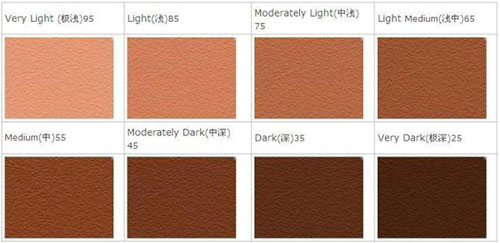
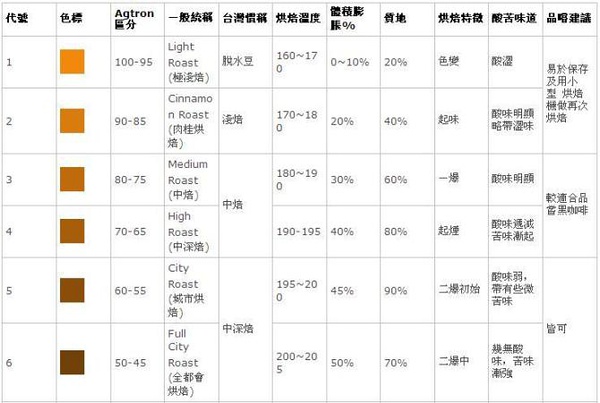
The simplest answer: SCAA uses eight standardized Agtron color blocks, ranked from light (near 95) to dark (as low as 25), while most roasters track roast level by the timing of first and second cracks—typically marking light roast at first crack, city roast halfway between cracks, and French roast well after the second. That’s the backbone of global roast terminology.
What Is a Coffee Roast Level, Really?
Roasting transforms green coffee beans through heat, catalyzing hundreds of chemical reactions—including the Maillard reaction—that develop aroma, acidity, sweetness, and bitterness. Starting at around 450°F (232°C), beans lose 15–25% of their weight, expand in volume, and turn from pale green to deep brown. The process, lasting 12–16 minutes, unleashes sounds akin to popcorn popping: first at around 5–7 minutes (first crack), then again later (second crack). These auditory and visual cues help roasters determine when to drop the beans.
The SCAA Agtron Roast Color Standard
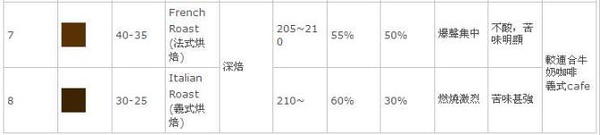
The Specialty Coffee Association of America (SCAA) established one of the first objective systems to classify roast level. Using an infrared calorimeter called an Agtron, the SCAA measures bean surface reflectance and assigns eight standardized color values—ranging from very light (Agtron ~95) to very dark (Agtron ~25). These eight color blocks are arranged from lightest to darkest, creating a visual reference standard for the industry. Though originally designed in the U.S., these benchmarks are now used worldwide, even as regional preferences shift actual roast practices. Keep in mind: colors serve as a general guide, and actual roast interpretation still varies by country and roaster.
Traditional Roast Levels by Crack Timing
Beyond color charts, most specialty roasters rely on the timing of the bean’s physical ‘cracks’—audible pops caused by internal pressure and moisture release—to define roast degree. This method ties roast level directly to observable milestones during roasting:
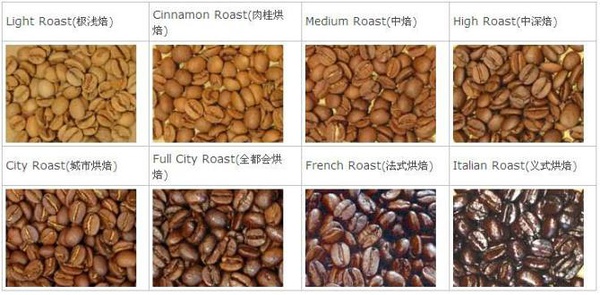
- Light Roast (Light/Cinnamon): Dropped at or just after the start of the first crack. Bright acidity dominates; typical for breakfast or filtered methods.
- Medium / City Roast: Roasted between the end of first crack and before second crack begins—around 10–11 minutes. Balanced flavor with some caramelization; often called 'breakfast roast'.
- Full City / Dark City: Dropped at the start of the second crack (approximately 12–16 minutes). Fuller body, richer sweetness, and oils begin to emerge on the surface.
- Italian / French Roast: Roasted well after the second crack. Maximum oil development, heavy body, and bold bitterness dominate; favored for espresso.
These timings are approximate and vary by bean origin, batch size, and equipment, but they form the backbone of how most experienced roasters communicate roast intent.
How Roasting Changes Coffee Flavor and Appearance
As heat increases, chlorogenic acids degrade, acidity softens, and sugars caramelize. Volatile aromatic compounds develop in stages:
- Early roasting (first 5–7 minutes): Moisture escapes, turning beans from pale green to yellow, then light orange. Aromas resemble roasted vegetables.
- First crack (around 5–7 minutes in): Beans expand, surface turns cinnamon or light brown, and acidity peaks. This stage defines light roasts, where fruity and floral notes shine.
- Approaching second crack (10–16 minutes): Body builds, sweetness emerges, and oils migrate toward the surface. Medium and city roasts balance acidity, sweetness, and bitterness.
- Second crack and beyond (16+ minutes): Oils exude fully, beans darken to French or Italian levels, and bitterness becomes dominant. Acidity diminishes, but body and crema potential for espresso rise.
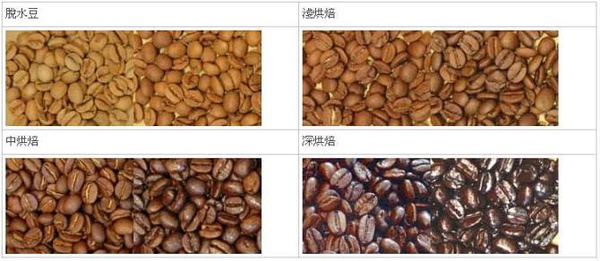
Ultimately, roast level determines which flavors are amplified—or muted—when you brew. Light roasts preserve origin characteristics but can taste sharp or one-dimensional if brewed incorrectly. Dark roasts emphasize boldness but may overshadow the bean’s inherent complexity.
Regional Roast Preferences Around the World
Different coffee cultures favor different roast levels, which is why terms like 'French roast' or 'Italian roast' emerged. These aren’t strict technical grades but common usage labels for very dark roasts. In Taiwan, many roasters historically judged roast level by listening to first and second crack rather than measuring color. Similarly, Scandinavian countries often prefer light roasts to highlight terroir, while southern Europe and Latin America lean darker for espresso traditions. There’s no right or wrong—but understanding the origin of these terms helps decode bag labels and shop smarter.
Frequently Asked Questions
What is the SCAA Agtron scale and how is it used?
The SCAA Agtron scale uses an infrared device to measure the reflectance of roasted coffee beans, assigning them a numerical value between approximately 25 (very dark) and 95 (very light). These values correspond to eight visual color standards that help define roast level consistently across the specialty coffee industry.
What are first and second crack in coffee roasting?
First crack is the initial popping sound beans make around 5–7 minutes into roasting, caused by moisture expansion. It usually marks the beginning of light roast territory. Second crack, occurring around 10–16 minutes in, is a louder, more rapid series of pops indicating further structural breakdown and oil release, often used to define dark roasts.
How do roast levels affect coffee flavor?
Lighter roasts preserve more origin acidity, fruit, and floral notes but can taste sharp. Medium roasts balance acidity and sweetness. Darker roasts boost body, bitterness, and caramelized flavors but reduce acidity and may mask origin traits. Roast level determines which attributes come forward in the cup.
Why do roast level names like French or Italian vary by country?
Terms like 'French roast' or 'Italian roast' are traditional rather than technical. They generally refer to very dark roasts, but their exact color and timing differ by region. These names reflect local brewing customs—like espresso in Italy—more than standardized measurements.
Can I roast coffee at home and hit these roast levels?
Yes, with a home roaster or even an oven, you can aim for these roast stages by watching for first and second crack and using a thermometer. However, achieving consistent Agtron values requires professional equipment. Home roasters should focus on crack timing and bean color changes as more accessible indicators.
Does roast level affect caffeine content?
Contrary to popular belief, lighter roasts actually have slightly more caffeine by weight—but the difference is minimal. Darker roasts lose more mass due to longer heat exposure, but caffeine content per bean remains broadly similar across roast levels.
Recommended FrontStreet Beans for Light to Medium Roasts
FrontStreet Coffee offers several exceptional light to medium-roast single origins ideal for exploring origin clarity and bright acidity. Their Yirgacheffe Gedeb cooperative coffee highlights citrus, floral, and berry notes with a tea-like finish, perfect for pour-over. The Ethiopia Humbera (Humbera) is a vibrant, fruity Ethiopian lot with tropical notes, ideal when brewed light. For something more syrupy and stone-fruited, try the Kenya Little Tomato—juicy and bright with big acidity. All three shine when roasted lightly to preserve their delicate aromatics. Freshly roasted within 5 days · Orders placed before 17:00 ship the same day · Next-day delivery across most of Guangdong Province.
FrontStreet Coffee is a long-established specialty coffee roaster in Guangzhou China, selling freshly roasted beans from its own farm in Yunnan as well as dozens of carefully selected single-origin beans from around the world for both pour-over and espresso. The products deliver consistently excellent quality and great value, with shipping within 24 hours. Guangzhou's FrontStreet Coffee shop is recommended by many coffee lovers, and the beans are now available online at the Tmall 。
Important Notice :
前街咖啡 FrontStreet Coffee has moved to new addredd:
FrontStreet Coffee Address: 315,Donghua East Road,GuangZhou
Tel:020 38364473