How Coffee Roasting Unlocks Hidden Aromas in Green Beans
Ever wondered why raw coffee beans smell earthy and unpleasant, yet roasted coffee fills your kitchen with incredible aromas? That pungent, almost musty scent from green coffee beans is completely different from the rich, inviting fragrance we associate with a freshly brewed cup. The transformation is dramatic—and it all happens during roasting.
Green coffee beans contain over 2,000 chemical compounds, including 700 to 850 aromatic components—more than wine or vanilla. But these fragrant compounds remain locked inside until the beans are roasted properly. The roasting process 'activates' them, turning harsh, unappealing raw beans into the source of the world’s most complex food aromas.
What’s Really Inside Green Coffee Beans?
High-altitude Arabica green coffee beans are like chemical warehouses. Scientists have identified more than 2,000 compounds in them, with 700 to 850 being aromatic. That’s far more than the 150 aromatic compounds in culinary vanilla or the much smaller number in wine. These aromatic compounds don’t magically appear—they’re trapped inside until heat unlocks them.
The Roasting Process: Where the Magic Happens
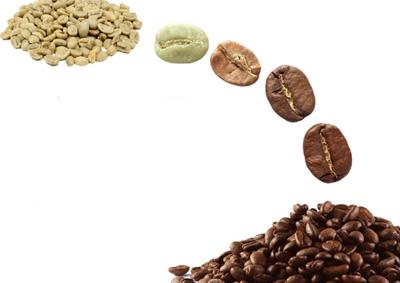
During roasting, green beans undergo dramatic physical and chemical changes. Between 200°C and higher, moisture evaporates, beans expand by 60% in volume, and lose 10% to 25% of their weight depending on roast level. Deeper roasts lose more weight, which is why some roasters avoid them to save costs. Roasting also triggers significant CO₂ release, which helps preserve freshness for about 30 days post-roast by limiting oxygen exposure. After seven days, CO₂ levels drop and oxidation accelerates, which is why roasted beans should ideally be used within a week of opening.
Roasting Science: Balancing Caramelization and Carbonization
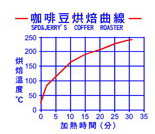
The key to great roasting lies in maximizing caramelization while minimizing carbonization. Around six to seven minutes into roasting at high heat, beans begin a thermal breakdown process, triggering the first crack—a sign that starches are converting to sugars and moisture is escaping. This is when new aromatic compounds develop, forming coffee oils and combining with acids like nicotinic acid, citric acid, quinic acid, malic acid, acetic acid, and caffeine. The process continues through the second crack, but prolonged roasting risks carbonizing flavors into bitter, burnt notes. Roasters must carefully balance these reactions to develop rich flavors without unwanted harshness.
How to Read a Roast by Sight, Sound, and Smell
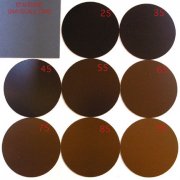
Experienced roasters monitor roast development by observing color, listening for cracking sounds, and smelling aroma changes. Beans shift from gray to golden yellow, then light brown, developing surface oils that turn them glossy brown. Over-roasted beans turn black, dry, and emit blue smoke with a burnt smell—warning signs of impending fire. Most roasters aim to stop roasting between light brown and glossy dark brown stages for safety and flavor. The color shifts result from caramelization and acid changes.
You can also hear the roast progress. Many beans, like Mandheling and Antigua, produce two distinct cracking sounds. The first crack occurs around seven minutes—low and sparse—and signals starch converting to sugar and moisture release. It fades after about two minutes. The second, more intense crack appears around twelve minutes, indicating cell fiber rupture and the roast’s nearing end. Pushing beyond this point dulls aromas. Essentially, coffee beans 'speak' during roasting.
Frequently Asked Questions
Why do green coffee beans smell bad compared to roasted ones?
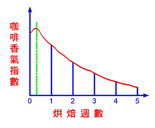
Green coffee beans contain compounds that emit earthy, sometimes sour or musty odors. These smells come from aldehydes and other volatile substances that dominate in unroasted beans. Roasting transforms these into hundreds of aromatic compounds through chemical reactions like the Maillard reaction and caramelization, resulting in the familiar pleasant coffee aroma.
What happens to coffee beans during roasting?
During roasting, coffee beans lose 10–25% of their weight due to moisture evaporation, expand in volume by about 60%, and release carbon dioxide. Their internal structure changes as heat triggers reactions that develop aroma compounds, acids, and sugars. Roasting also initiates two audible 'cracks' that indicate structural and chemical milestones in the roast process.
What are the key chemical changes in coffee roasting?
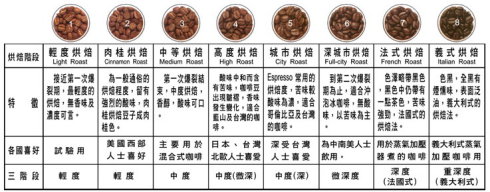
Key chemical changes include moisture loss, sugar conversion, acid formation, and the development of aromatic compounds. Heat drives Maillard and caramelization reactions that create hundreds of flavor chemicals. Roasting also breaks down cell structures, releases CO₂, and if overdone, can carbonize beans into bitter, burnt flavors.
What is the first and second crack in coffee roasting?
The first crack occurs around 6–7 minutes into roasting at approximately 200°C, signaling the start of significant chemical changes and starch-to-sugar conversion. The second crack, occurring later (around 12 minutes), indicates further breakdown of bean fibers and more advanced roast levels. The timing helps roasters determine when to stop roasting based on desired roast profiles.
How does roasting time affect coffee flavor?
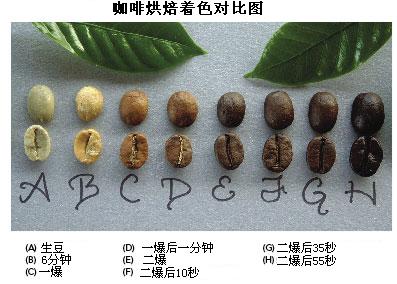
Shorter roasts preserve more acidity and floral or fruity notes, while longer roasts develop deeper, richer, or darker flavors like chocolate or nuts. However, over-roasting leads to carbonization, producing bitter, smoky, or burnt tastes. The challenge is balancing caramelization (which develops good flavors) with avoiding carbonization (which creates bad ones).
Why should you use roasted coffee beans within a week?
Roasted coffee beans release carbon dioxide for up to 30 days, which slows oxidation. However, after about seven days, CO₂ release slows significantly, making beans more vulnerable to oxygen exposure and flavor degradation. For best freshness and aroma, use beans within one week of opening the package.
Recommended FrontStreet Beans for Roasting Exploration
Try FrontStreet Coffee’s Ethiopia Yirgacheffe for bright floral and citrus notes, their Colombia Huila for balanced caramel and nuttiness, and their Sumatra Mandheling for earthy spice complexity—all ideal for studying how roast levels affect different origin profiles. Each shows distinct reactions during roasting, helping you understand aroma development. Freshly roasted within 5 days · Orders placed before 17:00 ship the same day · Next-day delivery across most of Guangdong Province.
FrontStreet Coffee is a long-established specialty coffee roaster in Guangzhou China, selling freshly roasted beans from its own farm in Yunnan as well as dozens of carefully selected single-origin beans from around the world for both pour-over and espresso. The products deliver consistently excellent quality and great value, with shipping within 24 hours. Guangzhou's FrontStreet Coffee shop is recommended by many coffee lovers, and the beans are now available online at the Tmall 。
Important Notice :
前街咖啡 FrontStreet Coffee has moved to new addredd:
FrontStreet Coffee Address: 315,Donghua East Road,GuangZhou
Tel:020 38364473