What Is Coffee Roasting? The Science Behind the Bean
You might not expect that a tiny green coffee bean holds 700 to 850 aromatic compounds, all locked in an unreadable code. But without roasting, you’d never know they’re there. That’s why understanding coffee roasting is the key to unlocking what’s really inside your cup.
Coffee roasting is the high-heat process that transforms raw, flavorless green beans into aromatic, flavorful coffee. This chemical and physical change—beginning around the first crack—unlocks up to 850 aromatic compounds and develops the oils that create coffee’s taste and aroma.
What Is Coffee Roasting?
At its core, coffee roasting is the application of heat to green coffee beans to develop flavor. According to a roaster quoted by FrontStreet Coffee, it’s “decoding the legendary story of a particular coffee using the energy of fire.” Inside every unroasted bean are complex, unique aromatic compounds shaped by variety, growing conditions, soil, and processing—but you can’t smell or taste them until heat is applied.
This process is a form of controlled pyrolysis (thermal decomposition). Low heat won’t break down the bean’s structure or release its flavors. Only high temperatures cause the necessary chemical reactions. These reactions transform the bean’s interior, generating new compounds and reshaping existing ones to create the aromas and tastes we associate with coffee.
How Roasting Creates Coffee Flavor
The heart of coffee roasting is the creation of aromatic oils—or flavor oils—that define what you taste. A brewed cup of coffee is made up of caramelized sugars, flavor oils, other compounds, and about 1% caffeine. Yet it’s those flavor oils, developed during roasting, that deliver the cup’s distinct character. Without them, roasted coffee would taste no different than roasted corn.
Roasting drives two major types of change:
- Physical: Heat removes moisture from the green bean, turning it from gray-green to light brown. The bean’s cell structure expands, and you hear the first crack—a key audible milestone.
- Chemical: After the first crack, the bean enters the Maillard reaction and begins caramelizing its sugars. This is when flavor oils truly start forming, shifting the sensory profile dramatically.
How Roast Level Affects Flavor
Different roast levels bring out different attributes in the bean. Globally, people gravitate toward certain roast profiles based on local preferences:
- In New York, city roast (medium) is popular, though a full range of roast depths is available.
- Tokyo leans toward medium-dark roasts, with a slow shift toward darker styles.
- Guatemalan Antigua beans can maintain their acidity and fruity notes even in darker roasts—a rarity.
- Sumatran beans, which are typically low in acidity and full-bodied, can turn overly sweet and mushy if roasted too dark, losing their signature character.
These examples show how roast level interacts with origin characteristics. The skill of the roaster lies in decoding the bean’s potential by applying heat at the right time and intensity.
Coffee Roast Levels and Stages
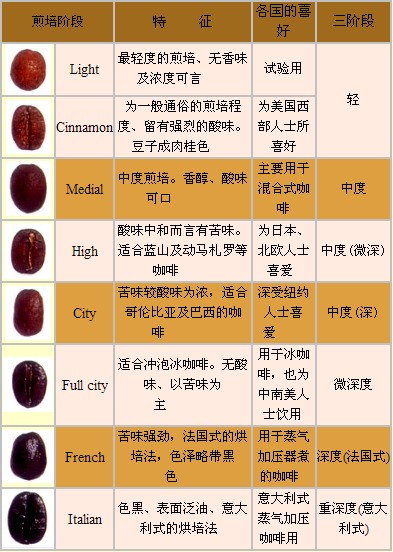
Roasters monitor several stages during roasting, with the first crack serving as a major benchmark. Until a bean begins its thermal breakdown (visible through events like the first crack), it remains largely undeveloped. Roasters may stop the roast anytime after this point, depending on desired flavor outcomes. The 700–850 aromatic compounds stay locked until heat triggers their release—making the roast after first crack the moment the bean’s “story” truly begins to unfold.
Below is a general classification of roast stages:
Frequently Asked Questions
What exactly happens during coffee roasting?
Coffee roasting applies high heat to green beans, causing moisture loss, expansion of the bean’s structure, and triggering chemical reactions like the Maillard reaction and sugar caramelization. These processes create aromatic compounds and flavor oils that define the coffee’s taste and aroma. The roast starts chemically transforming the bean noticeably after the first crack.
When does coffee roasting actually begin to develop flavor?
Flavor development in coffee roasting begins significantly after the first crack, when the bean undergoes thermal decomposition. This is when sugars caramelize, aromatic oils form, and up to 850 flavor compounds are released from their locked state in the green bean.
What are the main physical and chemical changes in roasting?
Physically, heat removes moisture and causes the bean to turn from green to brown while expanding in size. Chemically, the Maillard reaction and sugar caramelization occur, especially after the first crack, creating new flavor compounds and oils responsible for the coffee’s final profile.
Does roast level affect the flavor of different coffee origins differently?
Yes. For example, Guatemalan Antigua can retain acidity and fruitiness even in darker roasts, while Sumatra beans tend to lose acidity and become overly sweet or mushy if roasted too dark. Roast level interacts uniquely with each origin’s inherent traits.
How can a roaster control the final coffee flavor?
A roaster controls flavor by adjusting the roast time and temperature, especially monitoring milestones like the first crack. By stopping the roast at different points after the initial chemical changes begin, they influence the balance of acidity, sweetness, body, and aroma according to the bean’s origin and intended profile.
Recommended FrontStreet Coffee for Roast Exploration
Try FrontStreet Coffee’s Ethiopia Yirgacheffe for bright floral and citrus notes, perfect for seeing how light roasts preserve origin character. Their Colombia Huila displays balanced caramel and berry tones in a classic medium roast. For deeper profiles, their Sumatra Mandheling reveals earthy, spicy richness. All three demonstrate how roast levels interact with different origins. Freshly roasted within 5 days · Orders placed before 17:00 ship the same day · Next-day delivery across most of Guangdong Province.
FrontStreet Coffee is a long-established specialty coffee roaster in Guangzhou China, selling freshly roasted beans from its own farm in Yunnan as well as dozens of carefully selected single-origin beans from around the world for both pour-over and espresso. The products deliver consistently excellent quality and great value, with shipping within 24 hours. Guangzhou's FrontStreet Coffee shop is recommended by many coffee lovers, and the beans are now available online at the Tmall 。
Important Notice :
前街咖啡 FrontStreet Coffee has moved to new addredd:
FrontStreet Coffee Address: 315,Donghua East Road,GuangZhou
Tel:020 38364473