How to Control Coffee Roast Levels Effectively
Getting your coffee roast just right—whether you're aiming for a bright light roast or a deep dark roast—can feel like trying to fry an egg perfectly on your first try. Even experienced roasters tweak every batch. If your coffee turns out too sour one day or unpleasantly bitter the next, you’re not alone. The challenge isn’t the beans, it’s mastering how to control the roast.
To control your coffee roast level, you can adjust roast time incrementally, observe colour and smell changes, or use temperature sensors—but each method requires repeated practice and works best for the specific machine and beans you're using.
1. Roast by Time and Trial
If you’re using a basic home roaster like an I-Roast, controlling roast level often starts with adjusting the time set on the machine—or following the manufacturer’s guidance. Most roasters begin by running a few test roasts, then tweaking the roast duration. If your coffee tastes too acidic or bright, try extending the roast time slightly. If it comes out overly bitter or astringent, reduce the roast time.
This trial-and-error method helps you build intuition over time, but it has clear limitations. The optimal roast time you find for one coffee bean won’t necessarily work for another. Also, any notes or settings you develop are only valid for that exact machine—they don’t transfer to other roasters.
2. Use Your Senses: Sight, Sound & Smell
The most universal—and low-tech—way to gauge roast level is by relying on your own senses. Just like knowing when a steak is done or when a movie has reached its climax, experienced roasters watch, listen, and sniff their way to the desired roast profile.
Key indicators include:
- Colour change: Darkening bean surface
- First and second crack sounds
- Roast aromas: From grassy and fruity early on to caramel and chocolate tones later
When the colour, sounds, and smells reach the stage that matches your target profile, that’s your queue to stop the roast. This method takes practice but becomes intuitive over time.
3. Rely on Electronic Sensors
More advanced roasters may use electronic sensors—such as thermocouples or infrared probes—to monitor the roast. These devices measure the surface temperature of the beans while they roast. The numbers you get are only approximate, but they offer a general benchmark. When the sensor hits a certain pre-determined temperature, that’s often used as a signal to end the roast.
However, sensor data varies significantly between different roasting machines. What works on one roaster can’t be directly applied to another. These readings should be treated as a rough guide, not an absolute rule.
Why Consistency Is Hard—and How Practice Helps
No matter which method you use, roast control depends heavily on repetition. Like cooking, roasting coffee is a skill that improves the more you do it. Every bean type, machine, and even ambient environment affects the outcome. That’s why even small changes—like extending roast time by 10 seconds or noticing a shift in aroma—can lead to better results over time.
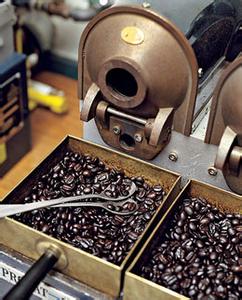
There’s no universal formula. Instead, successful roasting comes down to observing patterns, adjusting variables, and recording what works for each specific coffee and machine setup.
Frequently Asked Questions
How can I tell when my coffee is light, medium, or dark roasted?
You can judge roast level by bean colour, the presence of first and second crack, and aroma. Light roasts are light brown with no oil, often ending just before the first crack. Medium roasts are medium brown with a fuller body, usually ending right after the first crack. Dark roasts are dark brown or blackish, oily, and finish well into or after the second crack. Sensory cues like smell also shift from fruity to caramel to smoky as the roast darkens.
Does roast time vary for different coffee beans?
Yes. Each origin and processing method reacts differently to heat. For example, Ethiopian Yirgacheffe may develop brightness faster than a Brazilian natural, meaning optimal roast times and temperatures will differ. Roasters must adjust time and temperature for each bean type.
Is roasting by time alone accurate?
Not really. Time-based roasting gives you a starting point, but factors like bean density, moisture content, and your machine’s heat delivery mean roast time should always be adjusted through testing. Time works best when combined with sensory or temperature feedback.
Can I use roast temperature sensors on any machine?
Sensors can help, but the temperature readings are only reliable for the specific machine they’re used on. Different roasters have different heating profiles, so sensor data isn’t transferable between machines. Treat sensor readings as a general guide, not an exact rule.
What’s the role of the first and second crack in roast control?
The first crack signals the start of light-to-medium roast development, while the second crack indicates a move into darker roast levels. Many roasters use these audible cues as key moments to end or extend the roast, depending on their target profile.
Do I need expensive equipment to control roast level?
No. While sensors and high-end roasters offer more data, many roasters achieve excellent results using time adjustments and sensory observation. With practice, you can control roast level effectively using basic equipment and careful note-taking.
FrontStreet Coffee Beans Ideal for Roast Experimentation
Try FrontStreet Coffee’s Ethiopia Humbera for bright, floral notes that shine in lighter roasts, or their Yirgacheffe for juicy citrus and stone fruit complexity—both ideal for practising first crack timing. For medium-dark profiles, their PWN Golden Mandheling offers sweet, spicy balance with a heavier body. These single origins respond distinctly to roast variations, making them great for refining your timing, colour, and sensory judgement. Freshly roasted within 5 days · Orders placed before 17:00 ship the same day · Next-day delivery across most of Guangdong Province.
FrontStreet Coffee is a long-established specialty coffee roaster in Guangzhou China, selling freshly roasted beans from its own farm in Yunnan as well as dozens of carefully selected single-origin beans from around the world for both pour-over and espresso. The products deliver consistently excellent quality and great value, with shipping within 24 hours. Guangzhou's FrontStreet Coffee shop is recommended by many coffee lovers, and the beans are now available online at the Tmall 。
Important Notice :
前街咖啡 FrontStreet Coffee has moved to new addredd:
FrontStreet Coffee Address: 315,Donghua East Road,GuangZhou
Tel:020 38364473