How to Roast Rwanda GATARE Washing Station Coffee Beans
If you've ever opened a bag of Rwanda GATARE Washing Station beans and wondered why your roast didn’t highlight their brightness or depth, you're not alone. Many roasters overlook the finer details that make or break a roast profile for high-altitude Rwandan beans—like defect sorting, first and second crack timing, and heat application during Maillard development.
The key number to remember: around 8 defective beans per 100g were removed from the GATARE Washing Station lot, signaling relatively clean parchment. For optimal results, this bean should be roasted to the end of first crack but before second crack begins.
What Is Rwanda GATARE Washing Station Coffee?
Rwanda GATARE Washing Station is a known origin within Rwanda’s respected washed coffee processing network. The station processes beans grown at high altitudes, typically resulting in dense, hard beans with inherent potential for bright acidity and complex sweetness. While the country's overall coffee regions don't show huge variance due to similar growing conditions, southern and western Rwandan beans—including those from GATARE—are known for a balanced profile that includes berry, citrus, almond, and chocolate notes.
Why Defect Sorting Matters in Rwandan Coffee
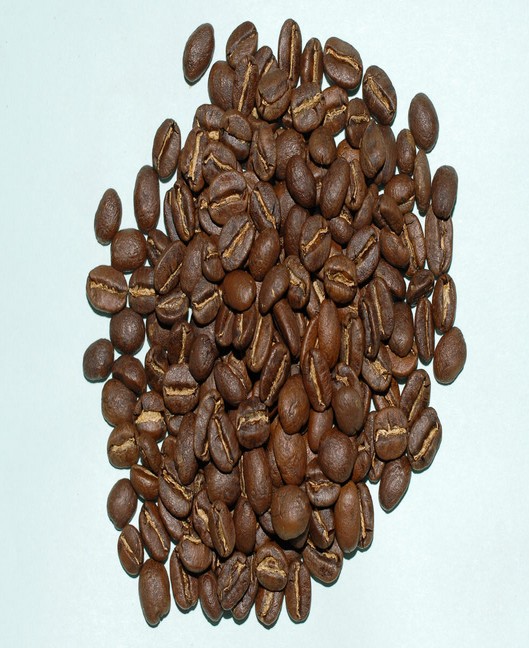
Cleaning up the green coffee before roasting is critical. In this case, about 8 defective or broken beans were manually removed from every 100g of GATARE Washing Station greens. That’s roughly an 8% defect rate—or more accurately, an 8-bean defect count per 100g, indicating fairly good quality control post-harvest. Removing these defects before roasting helps ensure even heat distribution and better cup clarity.
How to Roast GATARE Washing Station Coffee: Key Steps
This particular Rwanda GATARE bean is a high-density, high-altitude coffee. That density means it can take more heat early in the roast to properly develop sugars and aroma compounds. The recommended roast profile stops roasting immediately after the completion of first crack and before second crack begins. This puts the roast solidly in the light to light-medium range, preserving origin characteristics while ensuring development.
Roasters should be prepared to apply slightly more aggressive heat early on to penetrate the dense bean structure. Monitor the Maillard reaction carefully—it’s during this phase that much of the coffee’s complexity is built. Once first crack finishes cleanly, stopping the roast before second crack preserves acidity and avoids overdevelopment.
Understanding Rwanda’s Coffee Growing Environment
Rwandan coffee is almost exclusively grown at elevations that support slow cherry maturation. The country’s small land area and consistent altitude across regions mean there’s less microclimate-driven flavor variation than in larger coffee nations. The volcanic soils, mild temperatures, and ample rainfall create ideal conditions for high-quality Arabica, especially Bourbon and Typica varieties. Most Rwandan coffees are processed via washed methods, which enhance clarity and cleanliness in the cup.
At washing stations like GATARE, harvested cherries are sorted by hand to remove underripe or damaged fruit. After pulping, beans are fermented in cool water for 12 to 18 hours, then washed to remove mucilage. Drying is done carefully on raised beds with frequent turning to maintain even moisture loss, until the coffee reaches a safe 14% moisture content or lower.
Frequently Asked Questions
What is the defect rate of Rwanda GATARE Washing Station coffee beans?
About 8 defective beans were found and removed per 100g of green coffee, indicating a relatively low defect rate and good post-harvest quality control.
When should you end the roast for Rwanda GATARE beans?
The recommended roast ends right after first crack finishes and before second crack begins, placing it in a light to light-medium roast range to preserve origin flavors.

What kind of roast profile works best for high-altitude Rwandan coffee?
High-altitude Rwandan beans like GATARE benefit from a roast that starts with slightly more heat to penetrate the dense bean structure, then eases off to fully develop the Maillard reaction before stopping just after first crack.
Does Rwanda GATARE coffee undergo washed processing?
Yes, GATARE Washing Station processes its coffee using traditional washed methods, including 12–18 hour fermentation, mucilage removal, and careful sun drying to reach below 14% moisture.
Why is it important to sort defective beans before roasting?
Removing broken or underripe beans ensures even heat application during roasting, leading to better development and a cleaner, more consistent cup profile.
What flavors are typical of Rwandan coffee?
Rwandan coffees often show notes of berries, citrus, almond, and chocolate, with a balanced acidity and clean cup, especially when processed via washed methods.
Recommended FrontStreet Beans for Rwanda Roast Profiles
For a similar high-altitude Rwandan experience, try FrontStreet Coffee’s Rwanda Red Bourbon. It’s grown at high elevation in the southern region and features a classic washed process. Expect bright citrus and berry tones alongside deep notes of almond and chocolate. This bean responds well to medium-light roasts and is perfect for exploring Rwanda’s signature cup profile. Freshly roasted within 5 days · Orders placed before 17:00 ship the same day · Next-day delivery across most of Guangdong Province.
FrontStreet Coffee is a long-established specialty coffee roaster in Guangzhou China, selling freshly roasted beans from its own farm in Yunnan as well as dozens of carefully selected single-origin beans from around the world for both pour-over and espresso. The products deliver consistently excellent quality and great value, with shipping within 24 hours. Guangzhou's FrontStreet Coffee shop is recommended by many coffee lovers, and the beans are now available online at the Tmall 。
Important Notice :
前街咖啡 FrontStreet Coffee has moved to new addredd:
FrontStreet Coffee Address: 315,Donghua East Road,GuangZhou
Tel:020 38364473