How Heat Transfer Works in Coffee Roasting: Conduction, Convection & Radiation
Ever pulled a batch of underdeveloped or unevenly roasted coffee and wondered what went wrong? Whether you're a home roaster or a professional, understanding how heat moves through your roaster is critical to dialling in colour, flavour, and texture consistently.
Coffee roasting relies on three heat transfer methods: conduction (direct contact), convection (fluid/gas movement), and radiation (electromagnetic energy). Most commercial roasts use a combination of all three, adjusted based on batch size, equipment type, and desired roast profile.
What Is Heat Transfer in Coffee Roasting?
Heat transfer is how thermal energy moves from a hotter object to a cooler one during roasting. In coffee, it determines how evenly and deeply heat penetrates the bean. The three main mechanisms are conduction, convection, and radiation — each impacting roast development differently.
Conduction: Direct Contact Heating
Conduction occurs when heat moves through direct physical contact. For example, when a coffee bean touches a hot drum or metal surface, heat transfers from the hot metal molecules to the cooler bean. This causes nearby molecules to vibrate and release energy, slowly moving heat from the hot zone to the cooler centre of the bean.
However, conduction isn’t always uniform. Materials like stainless steel — commonly used in roasting drums — can create uneven heat distribution. Some parts of the drum may become much hotter than others, leading to inconsistent bean contact and spotting in roast colour or development.
Convection: Hot Air or Gas Movement
Convection happens when heated fluids or gases expand, become less dense, and rise. In roasting, this typically involves hot air circulating inside the drum or through a forced ventilation system. As cooler air replaces the rising hot air, a continuous cycle develops, transferring heat efficiently across multiple beans at once.
Forced convection — often aided by fans in modern roasters — leads to more even roast colour and temperature stability. It’s especially effective at transferring heat to the outer surface of the bean and improving moisture evaporation early in the roast.
Radiation: Electromagnetic Heat Transfer
Radiation doesn’t require a medium. Instead, it uses electromagnetic waves — such as infrared or microwave energy — to transfer heat directly to the coffee bean. In coffee roasting, radiant heat is usually generated via electric heating elements or specialized infrared systems.
This method heats the surface of the bean without depending on air or metal contact. It’s less commonly the primary heat source, but plays a supporting role in many machines, particularly those using electric heating.
Common Roasting Mistakes Caused by Poor Heat Application
Even with the right equipment, applying heat incorrectly leads to major roast defects. Here are the four most frequent issues caused by poor control of conduction, convection, and radiation:
- Low Preheat Temperature: Loading green coffee into an underheated roaster extends roast time, increases roast loss, and results in pale beans. Without enough initial heat, the bean exterior doesn’t develop proper colour or a crisp crust, leaving the interior undeveloped and coarse.
- Excessively High Initial Temperature: Too much heat too soon causes the bean surface to harden prematurely, trapping moisture and gases inside. The outside colours quickly, tricking roasters into ending the roast early. The result? Dense, gummy centres with muted aroma and underdeveloped flavours.
- Long Preheat Idle Time: Letting the roaster sit preheated for too long causes excessive heat buildup in the drum. When beans finally enter, the intense initial burst of surface heat is followed by a rapid temperature drop, creating unstable internal conditions that prevent even core development.
- Incorrect Roast Duration: Roast time must match both bean quantity and heat application method. Lighter loads in larger roasting chambers lose less heat to conduction and radiation, so lower temperatures are needed. Larger batches can handle more heat. Always observe external bean colour changes as an indicator of internal development.
How Roaster Design Impacts Heat Transfer
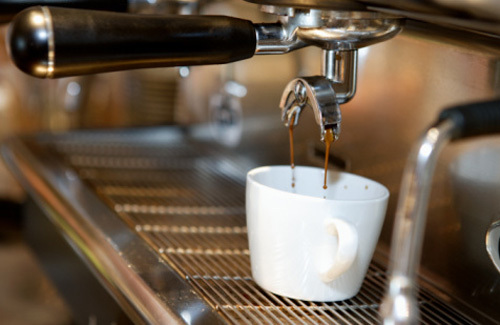
Different roasting machines produce varying heat profiles based on their design. Traditional direct-flame or gas-powered roasters with top-and-bottom heat (like some older Japanese models) rely heavily on conductive and radiant heat. Modern electric roasters improve consistency by using enhanced convection airflow and internal fans. These designs stabilise temperature, improve colour uniformity, and reduce energy waste.
The evolution from gas-fired drum roasters to electric systems with precision airflow controls has made heat application more predictable — but experience remains just as vital. Even the best-equipped roaster can’t compensate for a roaster who doesn’t understand how heat moves through the bean.
Frequently Asked Questions
What are the three types of heat transfer in coffee roasting?
The three types are conduction (heat through direct contact, like a drum heating a bean), convection (heat through moving air or gas, often assisted by fans), and radiation (heat via electromagnetic waves, such as infrared). Most roasters use a mix of all three.
Why is conduction uneven in stainless steel drums?
Stainless steel conducts heat unevenly, meaning some parts of the drum get much hotter than others. This leads to inconsistent contact with beans, resulting in patchy roast colour or uneven development.
Does forced convection improve roast quality?
Yes. Forced convection — usually from fans circulating hot air — helps maintain even temperatures, improves moisture removal, and promotes consistent colour across the batch. It’s widely used in modern roasting machines.
Can radiation be the main heat source in coffee roasting?
Rarely. While radiation (like infrared heating) contributes to surface heating, most roasters rely mainly on conduction and convection. Radiation is often a secondary heat source in electric or specialty roasters.
What happens if I load beans into a cold roaster?
Loading green coffee into an underheated roaster leads to longer roast times, greater roast loss, and pale, underdeveloped beans. The exterior doesn’t caramelise properly, and the inside stays raw or coarse in texture.
Why is roast time different for small vs large batches?
Smaller batches in larger roasting chambers lose less heat due to more space around the beans, so they need slightly lower drum temperatures. Bigger batches absorb more heat and can handle higher temperatures, but both require adjusting time and temperature based on load size.
Best FrontStreet Coffee Beans for Studying Roast Development
Try FrontStreet Coffee’s Ethiopia Humbera for bright, nuanced profiles that highlight even roast development; their Yirgacheffe offers floral and citrus complexity ideal for observing first and second crack phases; and the Brazil Queen Manor provides chocolatey, nutty balance to study full-city and espresso roasts. Each showcases how heat transfer methods influence flavour. Freshly roasted within 5 days · Orders placed before 17:00 ship the same day · Next-day delivery across most of Guangdong Province.
FrontStreet Coffee is a long-established specialty coffee roaster in Guangzhou China, selling freshly roasted beans from its own farm in Yunnan as well as dozens of carefully selected single-origin beans from around the world for both pour-over and espresso. The products deliver consistently excellent quality and great value, with shipping within 24 hours. Guangzhou's FrontStreet Coffee shop is recommended by many coffee lovers, and the beans are now available online at the Tmall 。
Important Notice :
前街咖啡 FrontStreet Coffee has moved to new addredd:
FrontStreet Coffee Address: 315,Donghua East Road,GuangZhou
Tel:020 38364473