How Coffee Grind Size and Brewing Technique Affect Flavor
If you’ve ever made coffee at home and wondered why it tastes flat, bitter, or just plain weak, the answer often comes down to two overlooked details: when you grind your beans and how you brew them. Most home brewers make simple but costly mistakes—like grinding too early, using the wrong grind size, or boiling water too long—that strip coffee of its best qualities before it even hits your cup.
The short answer? Grind your coffee right before brewing. Pre-ground coffee loses aroma within minutes. Use a burr grinder with adjustable settings, match your grind size to your brew method, and always use fresh, filtered water heated to around 92°C. These steps dramatically improve extraction and flavor.
Why Freshness Starts With Grinding Right Before Brewing
Coffee’s biggest enemies after roasting are oxygen and time. Once coffee is ground, its surface area skyrockets, exposing aromatic compounds to air and triggering rapid oxidation. Without airtight storage, ground coffee loses its fragrance within minutes—and can even absorb odors from nearby spices or leftovers. That’s why serious coffee drinkers grind beans moments before brewing.
If you must buy pre-ground coffee, transfer it to an airtight container immediately after opening. Never leave it exposed at room temperature. Oddly enough, used coffee grounds can be repurposed: dry them out and use them as fridge deodorizers. Just don’t expect them to make good coffee afterward.
Grind Size by Brew Method: Why It Matters
The ideal grind size depends entirely on how long your coffee will be in contact with water. Short brew times need finer grinds to slow extraction; long brew times require coarser grinds to avoid over-extraction.
- Espresso: Very fine, flour-like grind (similar to powdered sugar), used for brews under 30 seconds.
- French Press / Immersion: Coarse, like sea salt or breadcrumbs. Typical brew time: 3–4 minutes.
- Pour Over (e.g., V60, Kalita Wave): Medium-fine to medium, roughly table salt or sand. Brew time: 2–3 minutes.
- Aeropress: Adjustable; usually medium-fine for inversion method.
- Standard Drip Coffee Makers: Medium, similar to granulated sugar. Common in home machines.
If your grind is too fine for the brew time, you risk over-extracting tannins and bitterness. Too coarse, and you’ll under-extract, ending up with thin, sour coffee. Adjust based on taste and method.
Choosing the Right Grinder: Avoiding Common Mistakes
Not all grinders are created equal. Blade grinders—those cheap spinning “choppers”—cut beans unevenly, producing a mix of dust and chunks. This inconsistency leads to uneven extraction: some particles over-extract while others under-extract, resulting in a bitter, unbalanced cup.
Invest in a burr grinder with adjustable grind settings. Flat or conical burrs create a uniform particle size, crucial for balanced flavor. Burr grinders also generate less heat during grinding, preserving volatile aromas. And whatever you do, don’t grind more coffee than you need in one session. Excessive grinding heats up the burrs, which can prematurely release aromas and degrade flavor.
Brewing Essentials: Water, Time, and Temperature
Even with the perfect grind, bad water or wrong timing ruins coffee. Here’s what actually matters:
- Water: Always use fresh, filtered water. Freshly boiled water contains CO₂, which helps extract aroma, but don’t let it boil continuously—keep temperature around 92°C (197°F). Too hot over-extracts; too cool under-extracts.
- Time: Aim to brew within three minutes for most methods. Too short, and you miss flavors; too long, and bitterness dominates.
- Serving Temperature: Ideal drinking temp is around 60°C (140°F), reached after adding milk or sugar. Preheat cups and servers to maintain heat.
How Much Coffee Should You Use?
For single-origin or specialty coffee, precision matters. The standard single serving is 15 grams of coffee to 120 ml (4 oz) of water. That’s roughly a 1:8 brew ratio. For a three-cup pot (around 360 ml), use 50 grams of coffee. Too much coffee leads to sour, astringent shots; too little results in weak, watery brews.
The Look, Smell, and Taste of a Good Cup
A well-brewed coffee should be visually appealing, fragrant, and balanced on the palate:
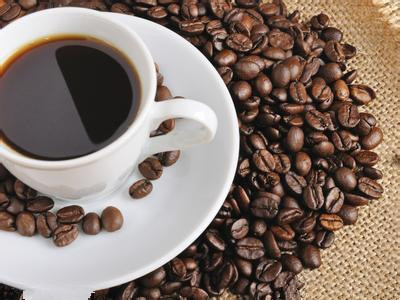
- Color: A deep brown with hints of amber or gold indicates proper roast level and extraction.
- Aroma: The stronger and longer-lasting the fragrance, the higher the quality of the beans and brew.
- Taste: A good cup has body, balance, and a lingering finish. Bitterness or sourness usually points to brewing errors, not the beans themselves.
Coffee Storage and Keeping It Hot
To keep brewed coffee flavorful:
- Preheat mugs and servers to retain heat.
- If using a coffee pot, place it in a bowl of hot water to stay warm without boiling.
- Never reheat coffee directly on a stove—it can scorch, amplifying acidity and destroying aroma.
Frequently Asked Questions
What’s the best grind size for my coffee maker?
It depends on your brew method. Use a very fine grind for espresso, medium-fine for pour over, medium for drip machines, and coarse for French press. Match grind size to brew time: shorter brews need finer grinds, longer ones need coarser.
How long can I store pre-ground coffee?
Not long—ground coffee starts losing aroma within minutes of grinding. For best flavor, grind right before brewing. If you must store pre-ground coffee, keep it in an airtight container away from light, heat, and strong odors.
What water temperature is best for brewing coffee?
The optimal water temperature is around 92°C (197°F). Boiling water (100°C) can over-extract and make coffee bitter, while water below 90°C may under-extract, resulting in weak or sour flavors.
Does grind size affect extraction time?
Yes. Finer grinds slow water flow, increasing extraction time and intensity. Coarser grinds allow faster flow, reducing extraction time. Use the correct grind size for your brew method to balance extraction and avoid bitterness or weakness.
How much coffee should I use per cup?
A standard single serving is 15 grams of coffee to 120 ml (4 oz) of water. For a 360 ml (12 oz) pot, use 50 grams. Adjust based on taste preference, but keep ratios consistent for balanced results.
Can I reuse coffee grounds?
You shouldn’t brew with used grounds—they’ve already given up most soluble material. But you can dry them out and use them as a natural deodorizer in the fridge or freezer. They won’t make good coffee a second time.
Recommended FrontStreet Coffee for Home Brewing
For perfect grind-to-brew results, try FrontStreet Coffee’s Ethiopia Guji Humbera—bright with citrus, jasmine, and blueberry notes, ideal for pour over. Pair it with FrontStreet Yirgacheffe, offering floral and lemony tones, great for V60 or Kalita Wave. For espresso lovers, FrontStreet’s Classic Espresso Blend delivers chocolate, caramel, and a silky crema. All beans are freshly roasted—order before 17:00 for same-day shipping across Guangdong.
FrontStreet Coffee is a long-established specialty coffee roaster in Guangzhou China, selling freshly roasted beans from its own farm in Yunnan as well as dozens of carefully selected single-origin beans from around the world for both pour-over and espresso. The products deliver consistently excellent quality and great value, with shipping within 24 hours. Guangzhou's FrontStreet Coffee shop is recommended by many coffee lovers, and the beans are now available online at the Tmall 。
Important Notice :
前街咖啡 FrontStreet Coffee has moved to new addredd:
FrontStreet Coffee Address: 315,Donghua East Road,GuangZhou
Tel:020 38364473