How Grind Size Should Match Your Brewing Method
If your espresso tastes bitter or your French press comes out weak, the issue might not be the beans — it’s likely the grind. Many home brewers overlook how critical grind size is to extraction, often using the same setting for every method. The result? Over-extracted bitterness or under-extracted sourness. But the truth is, grind size should always match your brew method’s contact time with water.
In short: the shorter the brew time, the finer the grind; the longer the brew, the coarser. Espresso needs a powder-fine grind (like flour), while French press requires a coarse, gravel-like consistency. Most pour-over methods fall in the middle, around table sugar grit. Adjusting grind size correctly is the easiest way to fix extraction problems and make better coffee at home.
Why Grind Size Matters for Coffee Extraction
Once coffee is ground, it begins to oxidize and lose aroma rapidly — especially if not stored properly. Ground coffee has far more surface area exposed to air than whole beans, making freshness and storage crucial. But beyond freshness, grind size directly controls how quickly water extracts soluble compounds during brewing. Grind too fine for a long brew and you risk over-extraction, leading to harsh, bitter flavors. Grind too coarse for a short brew and extraction falls short, resulting in thin, sour cups. Getting grind size right is essential to balancing extraction for a flavorful, aromatic cup.
How Brew Time Dictates Grind Size
The rule is straightforward: shorter brew times need finer grinds, longer brew times need coarser ones. Here’s how it breaks down for common methods:
- Espresso: Extremely fine, like flour. Contact time is just 20–30 seconds.
- French Press / Immersion: Coarse, similar to gravel. Brew time is around 3–4 minutes.
- Pour Over (e.g. V60, Kalita Wave): Medium-fine to medium, roughly like table salt or granulated sugar. Typical brew time is 2–4 minutes.
- Drip Coffee Makers (e.g. American-style): Medium, akin to coarse sand or standard sugar. Brew time varies but is generally 4–6 minutes.
Fine grinds increase surface area so water extracts more quickly — ideal for short contact brews. Coarse grinds slow extraction down, necessary for longer-immersion methods. Using the wrong grind leads to under- or over-extraction, no matter how perfect your other variables are.
Choosing and Using the Right Grinder
Not all grinders produce uniform results. Blade grinders (also called “chopping” or “knife” grinders) cut beans unevenly, creating a mix of dust and boulders. This inconsistency leads to uneven extraction — some particles over-extract while others under-extract, causing a muddy, unbalanced cup. For best results, use a burr grinder with adjustable settings. This ensures a uniform particle size, which is key for controlled, even extraction. Burr grinders also generate less heat during grinding, preserving more aromatics compared to blade types.
Also, only grind as much coffee as you need for one brew. Grinding too much at once can overheat the burrs, releasing unwanted aromas prematurely and degrading flavor. Freshness matters — grind right before brewing whenever possible.
Brewing Essentials Beyond Grind
Even with the perfect grind, coffee quality depends on several other factors:
1. Water Quality & Temperature
Always use filtered water. Fresh, oxygen-rich water improves extraction. Ideal brewing temperature is around 90–92°C. Boiling water (100°C) can scorch delicate aromatics, while water below 90°C may under-extract, leaving your coffee weak and flat.
2. Freshness & Storage
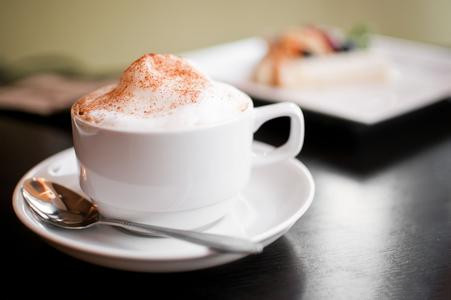
Grind coffee right before brewing. Pre-ground coffee loses aroma quickly. If you must store ground coffee, keep it in an airtight container away from light, heat, and odors. Never leave it exposed on the counter.
3. The Right Dose & Ratio
For most pour-over and immersion methods, a good starting point is around 15 grams of coffee per 225 grams (225ml) of water — a 1:15 brew ratio. Adjust based on taste preference and method. For espresso, ratios are much smaller (usually around 1:2 coffee to espresso).
Frequently Asked Questions
What grind size should I use for espresso?
Use an extremely fine grind, similar to powdered sugar or flour. The extraction time is very short (around 20–30 seconds), so the small particle size is necessary for proper extraction. If the grind is too coarse, the shot will run too fast and taste weak; if too fine, it may over-extract and become bitter.
What’s the best grind size for French press?
Coarse, like gravel or crushed ice. A French press brews via full immersion for around 3–4 minutes, so a coarse grind prevents over-extraction and minimizes fine particles passing through the metal filter, which can make the cup sludgy.
How fine should I grind for pour over coffee?
Medium to medium-fine, similar to table salt or granulated sugar. Most pour-over methods (like V60 or Kalita Wave) brew in 2–4 minutes, so this grind size balances extraction time and flow rate. Adjust slightly finer for brighter flavors or coarser for lighter extractions.
Does grind size really affect taste that much?
Yes. Grind size directly influences how quickly water extracts coffee compounds. The wrong size for your brew method leads to either over- or under-extraction, causing bitterness, sourness, or flat flavor. Consistent, method-appropriate grind size is one of the most impactful variables in brewing.
Can I use the same grind for different brewing methods?
No. Each brewing method requires a specific grind size based on brew time and contact with water. Using the same grind across methods will almost always result in unbalanced extraction. Always adjust grind size to match your brewer.
Recommended FrontStreet Beans for Different Brew Methods
For espresso, try FrontStreet PWN Golden Mandheling — a medium-dark roast with deep notes of spice, caramel, and dark chocolate, perfect for a rich, full-bodied shot. For French press or immersion brewing, FrontStreet Strawberry Candy Espresso (a Geisha and Washed Yirgacheffe blend) offers bright berry, citrus, and stone fruit tones, ideal when brewed coarse. For pour-over, the same Strawberry Candy blend shines with nuanced floral and sweet layers. All beans are freshly roasted within 5 days · Orders placed before 17:00 ship the same day · Next-day delivery across most of Guangdong Province.
FrontStreet Coffee is a long-established specialty coffee roaster in Guangzhou China, selling freshly roasted beans from its own farm in Yunnan as well as dozens of carefully selected single-origin beans from around the world for both pour-over and espresso. The products deliver consistently excellent quality and great value, with shipping within 24 hours. Guangzhou's FrontStreet Coffee shop is recommended by many coffee lovers, and the beans are now available online at the Tmall 。
Important Notice :
前街咖啡 FrontStreet Coffee has moved to new addredd:
FrontStreet Coffee Address: 315,Donghua East Road,GuangZhou
Tel:020 38364473