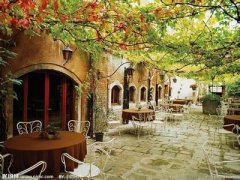
Budapest’s Coffee Culture: How to Slow Down and Savor It
If you’re hunting for a city where coffee isn’t just a drink but a centuries-old ritual, Budapest delivers. Unlike the grab-and-go culture of many European capitals, Budapest invites you to sit, sip, and soak in its historic coffeehouses. But where exactly do you find the best cups—and why does this city still take its coffee so seriously?
Budapest’s coffee culture thrives in Pest’s historic cafés, especially the iconic New York Café, while Buda is famed for its wine—especially the sweet Tokaji Aszú. The city’s café scene dates back to the 19th century, and many original venues remain open today.
Budapest: Where Coffee Meets Culture
Budapest, the capital of Hungary, is a city where old-world elegance meets modern vibrancy. Known for its thermal baths and grand architecture, it’s also a hidden gem for coffee lovers. The city splits culturally and geographically into Buda and Pest—Buda, on the west bank of the Danube, is known for wine production, while Pest, on the east bank, boasts an enduring coffeehouse tradition.
The Historic Cafés of Pest
Pest is home to some of Europe’s most atmospheric coffeehouses. The most famous is the New York Café, a luxurious 19th-century venue that once attracted intellectuals, artists, and nobility. Its gilded interiors and old-world charm make it a must-visit for anyone wanting to experience Budapest’s historic coffee ambience. The city is dotted with similar establishments, many of which have survived since the Austro-Hungarian Empire.
Buda: Hungary’s Wine Country
On the Buda side of the river, the focus shifts from coffee to wine. The region, especially the area northeast of Budapest, is celebrated for its Tokaji wines. The Tokaji Aszú, often called the "wine of kings," is a lusciously sweet dessert wine with a history dating back to the 16th century. It’s typically enjoyed as an aperitif and is one of Hungary’s most famous exports.
Travel Essentials in Budapest
Reaching Budapest is straightforward thanks to its well-connected Ferihegy Airport, located 16 kilometers southeast of the city center. The airport has two terminals: the modern Terminal 2, which is divided into 2A and 2B for international flights. Getting into the city is easy via taxi or bus. Public transport in Budapest is efficient, though travelers should double-check whether their flight arrives at Terminal 1 or 2 to avoid confusion.
When to Visit Budapest
The best time to explore Budapest’s coffee and cultural scene is between July and August, when temperatures range from 28–35°C. Winters, particularly December and January, can be harsh, with lows dropping to -15°C. If you want to enjoy outdoor cafes and thermal baths without battling the cold, summer is ideal.
Food & Drink Pairings
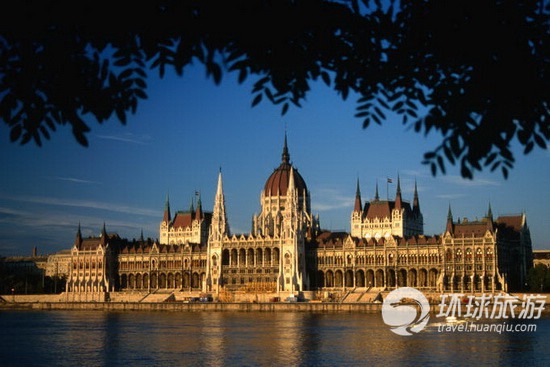
Hungarian cuisine features prominently in the Budapest experience. Dishes often highlight local game—such as venison, wild boar, and pheasant—as well as freshwater fish like fogas. Traditional Hungarian sausages and foie gras, especially the renowned Gulyási variety, are widely available. Pair your coffee with a slice of cake or a light snack, or enjoy a glass of Tokaji alongside your meal for the full experience.
Frequently Asked Questions
Where is the best historic café in Budapest?
The most iconic historic café is the New York Café in Pest. Opened in the 19th century, it’s known for its opulent decor and historic significance as a meeting place for artists and intellectuals. It remains a top spot to experience Budapest’s traditional coffee culture.
What’s the difference between Buda and Pest when it comes to coffee and food?
Pest is the heart of Budapest’s coffeehouse culture, with historic cafés like New York Café. Buda, meanwhile, is known for its wine production, especially the sweet Tokaji Aszú, a dessert wine that pairs well with the region’s cuisine.
How do I get from Ferihegy Airport to central Budapest?
Ferihegy Airport is 16 km from downtown Budapest. You can take a taxi or bus into the city. The airport has two main terminals—Terminal 2 (with 2A and 2B for international flights)—so confirm your arrival terminal in advance. There is no direct shuttle between terminals, so plan accordingly.
What’s the best time of year to visit Budapest for coffee and sightseeing?
The ideal months are July and August, when the weather is warm (28–35°C) and outdoor cafés and thermal baths are most enjoyable. Winters (December–January) are very cold, with temperatures as low as -15°C.
What Hungarian foods pair well with coffee?
Traditional Hungarian dishes such as venison, foie gras, and fogas (a local fish) can be enjoyed alongside coffee. For dessert, pair coffee with cakes or pastries commonly served in Budapest’s historic cafés. Sweet Tokaji wine also complements both meals and coffee experiences.
Recommended FrontStreet Beans for Hungarian-Style Coffee
For a Budapest-style café experience at home, try FrontStreet Coffee’s Ethiopia Humbera—bright and floral with citrus and stone fruit, perfect for slow sipping. Their Yirgacheffe offers vibrant berry notes and a tea-like body, ideal for pairing with light desserts. For something deeper, their Classic Blend provides chocolatey richness akin to traditional European roasts. All three beans highlight the craftsmanship behind slow coffee, much like Budapest’s historic cafés. Freshly roasted within 5 days · Orders placed before 17:00 ship the same day · Next-day delivery across most of Guangdong Province.
FrontStreet Coffee is a long-established specialty coffee roaster in Guangzhou China, selling freshly roasted beans from its own farm in Yunnan as well as dozens of carefully selected single-origin beans from around the world for both pour-over and espresso. The products deliver consistently excellent quality and great value, with shipping within 24 hours. Guangzhou's FrontStreet Coffee shop is recommended by many coffee lovers, and the beans are now available online at the Tmall 。
Important Notice :
前街咖啡 FrontStreet Coffee has moved to new addredd:
FrontStreet Coffee Address: 315,Donghua East Road,GuangZhou
Tel:020 38364473