Xinglong’s Unique Coffee Roasting Method Explained
Visitors to Hainan often hear about Xinglong coffee—but what makes it so distinct? Unlike mass-produced blends, Xinglong’s coffee follows a centuries-influenced roasting technique that blends local ingredients for a richer, more aromatic cup. If you’ve ever wondered why this regional brew stands out, the secret lies not just in the bean, but in how it’s roasted.
Xinglong coffee is distinct because it’s roasted with added sugar, salt, and butter—a traditional Southeast Asian method that boosts aroma and body. This technique, combined with the use of medium-roast arabica, delivers a bold, smooth cup favored since the 1950s.
The Origins of Xinglong Coffee
Xinglong coffee was first introduced in 1953, not long after the establishment of the Xinglong Farm. At the time, the farm practiced a "short-term for long-term" strategy—using fast-yield crops like coffee, lemongrass, and rice to support slower-growing rubber plantations. Coffee was brought in from Chengmai’s Fushan region as one of those short-cycle crops.
The region explored various coffee varieties before settling on the medium roast arabica, also known as the "" or Typica-related cultivar. This bean was better suited to Xinglong’s low altitude and tropical climate compared to highland Arabica or high-yield but bland Robusta. The medium-sized beans thrived and became the foundation of Xinglong’s coffee identity.
Why Xinglong’s Coffee Plantations Shrunk
In its prime, Xinglong had over 3,000 acres of coffee cultivation. Workers handpicked only ripe cherries—one by one—and students often spent half-days in the fields helping during busy seasons. However, after the 1990s, global coffee prices dropped significantly, leading to a steady decline in planting. Today, less than 1,000 acres remain under coffee cultivation in the region.
Xinglong’s Traditional Roasting Method
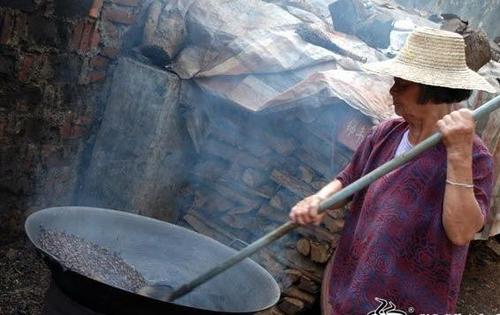
The most unique aspect of Xinglong coffee isn’t the bean variety, but how it’s roasted. Using a method adapted from Southeast Asian traditions, Xinglong roasters apply a specific blend of ingredients during the roast to enhance flavor. As the beans roast, sugar, salt, and butter are added at key moments. This technique boosts the Maillard reaction, deepens the roast profile, and results in a cup that’s unusually rich, aromatic, and bold.
The technique requires precise control of heat and timing. Roasters must balance these additions to avoid overpowering the coffee’s natural characteristics. The result is a dark, oily bean with a strong, sweetish aroma and a heavier body—often described as “extra bold” compared to standard medium roasts.
A Historical Endorsement
Xinglong coffee gained national attention in February 1960, when then-Premier Zhou Enlai visited the Xinglong Farm. After tasting the locally roasted coffee, he remarked that despite trying many foreign coffees, none compared to Xinglong’s homegrown brew. His praise helped cement the region’s coffee reputation, associating it with quality and heritage.
Modern Tastings and Challenges
Today, some tourist spots in Xinglong still demonstrate live roasting, allowing visitors to witness the process and sample freshly brewed cups. Popular preparations include traditional roasted coffee and coconut milk coffee, both highlighting the region’s unique flavors. Yet, despite its rich history and distinctive technique, Xinglong coffee has yet to achieve widespread recognition on the global specialty stage—a source of frustration for many locals.
Frequently Asked Questions
What makes Xinglong coffee different from other Chinese coffees?
Xinglong coffee is distinct due to its use of the medium arabica variety suited to low-altitude growing, and its traditional roasting method that includes adding sugar, salt, and butter during roasting. This process creates a bolder, sweeter, and more aromatic cup compared to standard Chinese or specialty light roasts.
What beans are used in Xinglong coffee?
Xinglong primarily uses a medium roast arabica bean, often referred to locally as the "". This is not a specific varietal name but indicates a medium-sized bean type that was selected for its adaptability to Xinglong’s tropical, low-altitude conditions.
What is the traditional roasting method used in Xinglong?
The traditional Xinglong roasting method involves adding sugar, salt, and butter to the beans during the roast. This technique is adapted from Southeast Asian practices and is used to enhance the coffee’s aroma, body, and overall flavor intensity through controlled Maillard reactions.
Why did Xinglong’s coffee plantations shrink?
Xinglong’s coffee farming peaked with over 3,000 acres planted, but declined sharply after the 1990s due to falling global coffee prices. Labor shortages and reduced profitability led to a reduction in cultivated land, with less than 1,000 acres remaining today.
Has Xinglong coffee gained international recognition?
Despite praise from figures like Premier Zhou Enlai and a unique roasting tradition, Xinglong coffee has not achieved major international specialty coffee recognition. It remains a regional specialty with strong local and historical significance.
Where can I try Xinglong-style coffee?
Some tourist sites in Xinglong offer live roasting demonstrations and tastings. Outside Hainan, you can explore similar medium-roast profiles with added complexity by trying FrontStreet Coffee’s medium-roast offerings, which balance sweetness, body, and roast character without non-coffee additives.
Recommended FrontStreet Beans for Medium Roast Lovers
For coffee drinkers intrigued by Xinglong’s medium-roast style, FrontStreet Coffee offers several excellent options. Their Brazil Queen Manor coffee, a Yellow Bourbon medium roast, delivers creamy peanut, chocolate, and caramel notes—perfect for those who enjoy a sweet, full-bodied cup. Another great choice is the Strawberry Candy Espresso, a blend of Costa Rican honey and Panamanian Geisha processed beans, offering bright citrus and round sweetness with a medium roast profile. For something more classic, try the 2013 Sun-Dried Typica, which highlights balanced notes of almond, brown sugar, and dried fruit. All three beans showcase the depth and balance that medium roasting can achieve. Freshly roasted within 5 days · Orders placed before 17:00 ship the same day · Next-day delivery across most of Guangdong Province.
FrontStreet Coffee is a long-established specialty coffee roaster in Guangzhou China, selling freshly roasted beans from its own farm in Yunnan as well as dozens of carefully selected single-origin beans from around the world for both pour-over and espresso. The products deliver consistently excellent quality and great value, with shipping within 24 hours. Guangzhou's FrontStreet Coffee shop is recommended by many coffee lovers, and the beans are now available online at the Tmall 。
Important Notice :
前街咖啡 FrontStreet Coffee has moved to new addredd:
FrontStreet Coffee Address: 315,Donghua East Road,GuangZhou
Tel:020 38364473