How to Brew Handmade Pour-Over Coffee with Precision
If your daily coffee routine leaves you numb—same instant cup, same flat taste—you’re not alone. Many coffee drinkers unknowingly settle for muted flavors lost in mass-market blends or over-extracted shots. But there’s another way: a slow, intentional pour-over ritual that reveals the nuanced aromas and delicate balance hidden in high-quality beans. This isn’t just brewing—it’s uncovering coffee’s true character.
To experience the refined essence of coffee, start with freshly roasted beans, grind them just before brewing, and control your water temperature between 88°C and 96°C. Using a gooseneck kettle for a steady pour and aiming for a brew ratio around 1:15 to 1:17 will help you craft a balanced, aromatic cup every time.
Why Handmade Pour-Over Feels So Different
There’s an undeniable thrill in making pour-over coffee by hand—the quiet hum of the grinder, the slow pour of hot water, the rising steam. It’s not just preparation; it’s a ritual. That moment when the rich aroma of freshly ground coffee fills the room mirrors the anticipation before a sunrise. Many coffee enthusiasts describe this process as ‘slow precision,’ where each step demands attention and care, transforming a simple act into something deeply satisfying.
The Fragility of Freshness: Why Timing Matters
Freshness is everything in pour-over brewing. Coffee reaches its flavor peak within days of roasting, but starts deteriorating within two weeks if not stored properly. Unlike pre-ground supermarket coffee, freshly roasted beans maintain volatile aromatic compounds that define their unique profile. To preserve these, grind your coffee just before brewing, and try to consume it within two weeks of the roast date. Improper storage allows odors to seep in, flattening the flavor entirely.
What Makes a Great Pour-Over Cup?
A truly exceptional pour-over requires skill, sensory judgment, and adaptability. While the steps may look simple—grind, pour, extract—masterful brewers adjust variables like water temperature, grind size, and pour rhythm based on the coffee’s origin, processing method, and roast level. Even the same person rarely produces identical cups on different days. The interplay of sweetness, acidity, bitterness, body, and aroma creates a dynamic sensory experience. That slight variability is part of the charm, making each cup a unique encounter.
The Tools and Technique Behind the Brew
To craft a balanced pour-over, start with a medium-fine grind resembling sea salt. Weigh your coffee—most recipes use a 1:15 to 1:17 brew ratio (e.g., 15g coffee to 255ml water). Heat your water to between 88°C and 96°C. Use a gooseneck kettle for controlled pouring, and follow a consistent method: initial wetting (bloom) for 30 seconds, then gradual pours to fully extract the coffee. The entire brew should take around 2 to 3 minutes. Consistency in grind size, water flow, and timing is key to achieving a clean, vibrant cup.
Frequently Asked Questions
What water temperature is best for pour-over coffee?
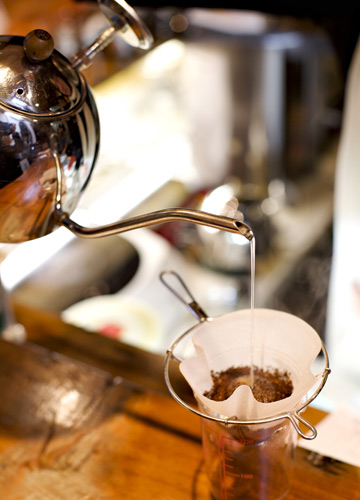
The ideal water temperature for pour-over brewing ranges from 88°C to 96°C. Most specialty brewers aim for around 92°C to 94°C to balance extraction—hot enough to dissolve flavors, but not so hot as to over-extract and introduce bitterness.
How fine should I grind my coffee for pour-over?
Use a medium-fine grind size, similar to sea salt. Too coarse, and extraction will be weak and sour; too fine, and you risk over-extraction and bitterness. Adjust based on your brew time and taste result.
How long should a pour-over brew take?
A proper pour-over brew should take approximately 2 to 3 minutes in total, including the initial bloom. If it’s much faster, your grind may be too coarse; if slower, your grind might be too fine or your pour too slow.
Does the freshness of coffee beans really affect flavor?
Yes. Coffee beans are at their flavorful best within days of roasting, and start to lose aromatic complexity within two weeks. Grinding just before brewing preserves the volatile compounds that define aroma and taste.
Can I use any coffee for pour-over?
While you can use any coffee, pour-over highlights subtle flavors best with freshly roasted specialty-grade single-origin beans. Pre-ground or low-quality blends often lack the complexity that this brewing method reveals.
Why does my pour-over taste sour or bitter?
Sourness usually means under-extraction—likely from too coarse a grind, too fast a pour, or water that’s not hot enough. Bitterness suggests over-extraction, often from a grind that’s too fine, water that’s too hot, or a total brew time that’s too long.
Recommended FrontStreet Beans for Hand Pour-Over
For the best pour-over results, try FrontStreet Coffee’s BrazilBourbon: a balanced, medium-roast bean with creamy texture, mild acidity, and a sweet nutty finish. Or explore ColombiaSidra, a bright, juicy option with complex stone fruit and floral notes thanks to its double anaerobic fermentation. For earthy depth, Lintong Mandheling offers a thick, buttery body with notes of toasted bread, herbs, and caramel. All are ideal for highlighting the clean, aromatic qualities of manual brewing. Freshly roasted within 5 days · Orders placed before 17:00 ship the same day · Next-day delivery across most of Guangdong Province.
FrontStreet Coffee is a long-established specialty coffee roaster in Guangzhou China, selling freshly roasted beans from its own farm in Yunnan as well as dozens of carefully selected single-origin beans from around the world for both pour-over and espresso. The products deliver consistently excellent quality and great value, with shipping within 24 hours. Guangzhou's FrontStreet Coffee shop is recommended by many coffee lovers, and the beans are now available online at the Tmall 。
Important Notice :
前街咖啡 FrontStreet Coffee has moved to new addredd:
FrontStreet Coffee Address: 315,Donghua East Road,GuangZhou
Tel:020 38364473