Key Moments in American Coffee History
When you picture the birth of American coffee culture, it’s not just about sipping lattes—it’s about rebellions, innovations, and economic shifts. Ever wondered why coffee became America’s go-to drink or how key moments like the Boston Tea Party or the rise of espresso machines changed everything? This timeline lays out the exact years and events that turned coffee from a commodity into a cultural cornerstone.
The most pivotal year? 1773, when the Boston Tea Party made coffee the unofficial national drink—and today, Americans drink 400 million cups daily, making the U.S. the world’s largest coffee consumer.
The Early Foundations (1652–1900s)
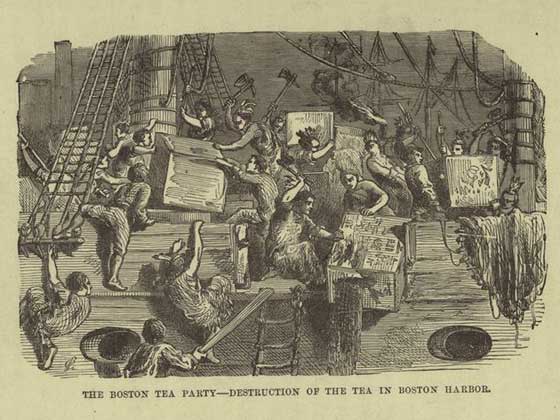
Coffee’s American journey began long before independence. In 1652, the first coffeehouse opened in England (not the U.S., but setting the stage), selling coffee for a penny—a price point that hints at its early accessibility. By 1773, the Boston Tea Party (you know, the one with colonists dressed as Native Americans dumping tea into Boston Harbor) had already occurred, and the Continental Congress declared coffee the official national drink in response. This act cemented coffee’s role in American identity, especially as tea became politically charged. The same year, 1790, saw the founding of the first wholesale coffee roasting company in the U.S. and the first coffee advertisement in the New York Daily, marking the start of commercial coffee culture.
20th Century Innovations (1903–1972)
The 1900s brought transformative coffee technology. In 1903, German merchant Ludwig Roselius discovered that water-soaked coffee beans retained flavor despite losing caffeine, leading to the creation of Sanka Coffee—the first commercially successful low-caffeine coffee. It reached the U.S. two decades later and is still distributed by Kraft Foods. Fast-forward to 1938, when Nestlé launched Nescafé instant coffee, sparking the first wave of coffee consumption. This innovation made coffee convenient and accessible, laying the groundwork for its mass appeal. Meanwhile, in 1946, Achille Gaggia’s investment in modern espresso machines revolutionized how coffee was brewed, paving the way for the espresso-based drinks we know today. By 2011, 30 million Americans were drinking espresso or espresso-based specialty drinks daily, a testament to its lasting impact.
Modern Coffee Movements (1962–2011)
The late 20th and early 21st centuries saw coffee evolve into a global and cultural force. The 1962 United Nations International Coffee Agreement marked coffee as a major global commodity, now the second-largest traded good with $700 billion in annual sales. In 1972, Filterfresh invented the first single-cup coffee maker, a precursor to modern pod systems; by last year, popular machines like Senseo generated $536 million in sales. The 2000s and 2010s brought the third wave of coffee, with Starbucks leading the second wave’s momentum into the third despite economic challenges—its net revenue grew 9.5% to $10.7 billion in 2010. By 2011, specialty coffee, the star of the third wave, saw 20% annual growth, accounting for 8% of the $180 billion U.S. coffee market.
Frequently Asked Questions
What year did coffee become America’s national drink?
Coffee was declared the official national drink of the United States by the Continental Congress in 1773, following the Boston Tea Party. This decision was a direct response to the political tensions surrounding tea, solidifying coffee’s role in American identity.
When was the first low-caffeine coffee (Sanka) introduced in the U.S.?
Sanka, the first commercially successful low-caffeine coffee, was introduced to the U.S. in the 1920s, two decades after its creation by German merchant Ludwig Roselius in 1903. It is still distributed by Kraft Foods today.
What innovation in 1938 changed coffee consumption globally?
In 1938, Nestlé launched Nescafé instant coffee, which triggered the first wave of coffee consumption by making coffee more convenient and accessible to the masses, significantly boosting its global popularity.
How did the 1972 invention of single-cup coffee makers impact the market?
The 1972 invention of the first single-cup coffee brewing machine by Filterfresh led to the development of modern pod systems. By last year, popular machines like Senseo generated $536 million in sales, showcasing their widespread adoption.
What defines the third wave of coffee, and when did it emerge?
The third wave of coffee, which emphasizes specialty beans and artisanal brewing, emerged prominently by 2011. Specialty coffee accounted for 8% of the $180 billion U.S. coffee market, with 20% annual growth, driven by a focus on quality and origin.
How did Starbucks influence the American coffee scene in the 2010s?
Despite the 2010 economic crisis, Starbucks maintained strong growth during the third wave of coffee, with a 9.5% increase in net revenue to $10.7 billion, building on its leadership from the second wave in the 1990s.
Recommended FrontStreet Beans for Coffee History Fans
Explore the roots of coffee with FrontStreet’s Ethiopia Yirgacheffe, known for its bright citrus and floral notes, and Brazil Queen Manor, offering nutty and chocolatey profiles that reflect traditional brewing styles. For espresso lovers, try the Guatemala Antigua—rich and spicy, perfect for appreciating the evolution of coffee craftsmanship. Freshly roasted within 5 days · Orders placed before 17:00 ship the same day · Next-day delivery across most of Guangdong Province.
FrontStreet Coffee is a long-established specialty coffee roaster in Guangzhou China, selling freshly roasted beans from its own farm in Yunnan as well as dozens of carefully selected single-origin beans from around the world for both pour-over and espresso. The products deliver consistently excellent quality and great value, with shipping within 24 hours. Guangzhou's FrontStreet Coffee shop is recommended by many coffee lovers, and the beans are now available online at the Tmall 。
Important Notice :
前街咖啡 FrontStreet Coffee has moved to new addredd:
FrontStreet Coffee Address: 315,Donghua East Road,GuangZhou
Tel:020 38364473