How to Brew Ultra-Fine Indonesian Butterfly Coffee Powder Directly
These days, convenience often trumps quality—just look at how coffee culture has shifted toward faster, simpler methods. But what happens to aroma and texture when you strip away the filter, the pour-over, the precision? One coffee enthusiast revisited a nearly forgotten method: brewing with ultra-fine coffee powder and no filter at all. The result? A return to the most basic form of coffee preparation, where texture and simplicity take center stage.
To brew directly with ultra-fine coffee powder, use a grind so fine it sinks and steeps evenly—no filter needed. Stir the powder in hot water, let it sit, and you’ll get a clean, sediment-free cup. This method works best with grind sizes akin to powdered sugar, and yields surprisingly good results when done right.
What Is Ultra-Fine Indonesian Butterfly Coffee Powder?
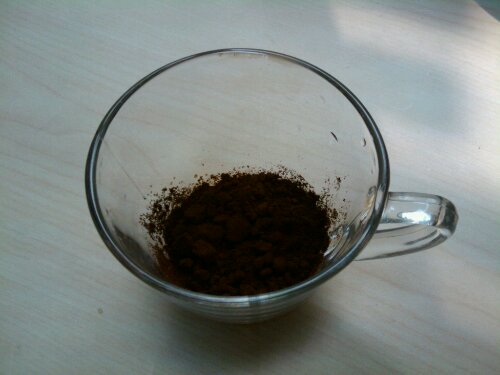
The coffee powder in question comes from Indonesia’s Butterfly brand—a product marketed as ultra-fine and suitable for direct brewing. Originally encountered by the author during a trip to Hainan’s Xinglong, where Indonesian-returnee farmers roasted beans much like popcorn, this powder represents a very old-school approach. Though the aromatic compounds may degrade over time during storage and transport, the grind itself is extremely fine, designed to sink and infuse fully without leaving grit.
Why Brew Without a Filter?
Filterless brewing isn’t about speed—it’s about texture and tradition. The key challenge is avoiding coffee grounds in your cup. Coarse grinds float and create sludge; ultra-fine grinds, however, compact and sink during steeping. When stirred properly and given time to settle, they produce a clean, full-bodied cup reminiscent of ancient brewing methods, with no paper or metal filter altering the taste.
How to Brew Ultra-Fine Coffee Powder the Right Way
To make a clean cup using ultra-fine coffee powder without a filter, follow these steps:
- Grind Size: Use an ultra-fine grind—finer than espresso, closer to powdered sugar or flour. The particles must be fine enough to sink and not remain suspended.
- Ratio: There’s no fixed ratio mentioned, but use enough powder to suit your taste strength. Adjust based on how concentrated you like your brew.
- Water: Heat water to a typical brewing temperature (around 90–96°C / 195–205°F), though exact temp isn’t specified.
- Method:
- Add the ultra-fine coffee powder directly to your cup or vessel.
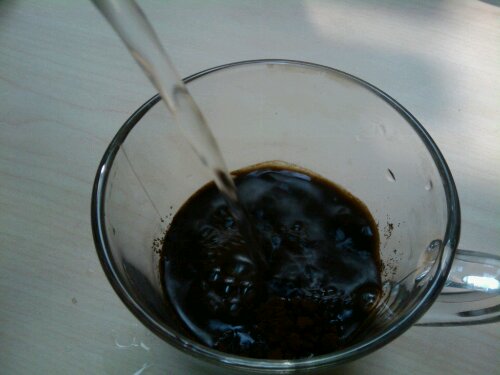
- Pour hot water over the powder—similar to how you’d pour water over tea leaves.
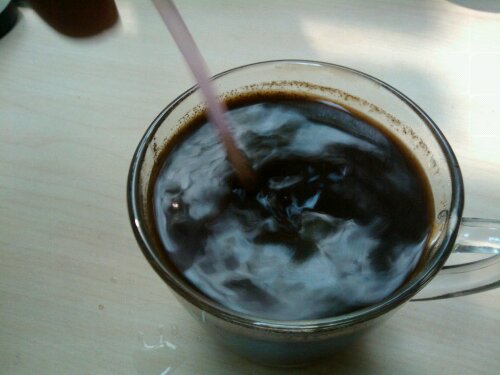
- Stir vigorously to ensure even saturation.
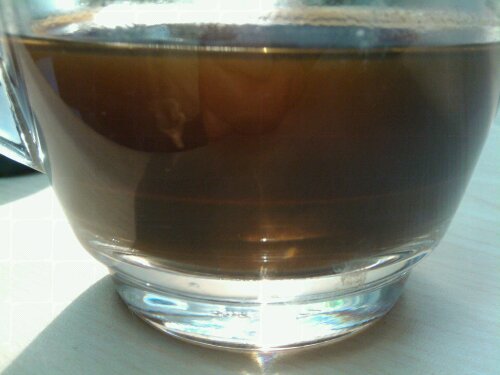
- Let the mixture sit and steep for several minutes. The coffee will begin to separate, with grounds sinking to the bottom.
- After steeping, sip from the top to avoid disturbing the settled grounds.
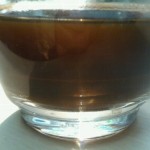
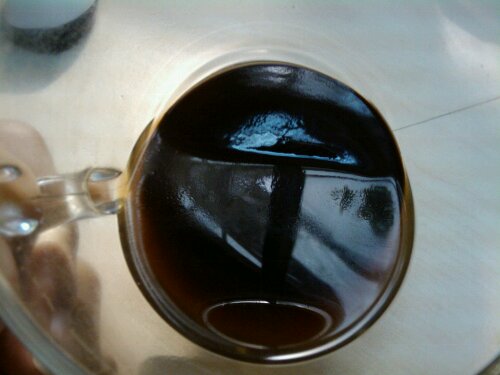
- Result: The coffee should be smooth with no grit. The grounds form a natural sediment layer you can leave behind.
The Historical Context of Indonesian Coffee Preparation
The author recalls visiting a coffee farm in Hainan run by Indonesian-Chinese returnees, where beans were roasted in machines resembling rural grain dryers. Locals brewed their coffee using the same ultra-fine powder, mixed directly with water and sugar or even butter—common in older Indonesian methods, especially with robusta-heavy blends. While these techniques might seem crude today, they carry cultural weight and offer an unfiltered lens into coffee’s diverse global history.
Does Grind Size Really Matter That Much?
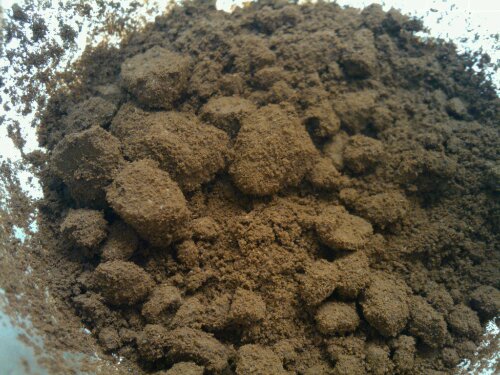
Absolutely. Standard medium or coarse grinds won’t work for filter-free brewing—they float and create a muddy cup. Only ultra-fine grinds, similar to the Butterfly brand’s product, have the density and particle uniformity to sink and brew cleanly. This is why grind size is critical in this method, more so than with standard filtered brewing.
What Does This Method Say About Coffee Trends?
This experiment reflects a broader truth: the simplest methods aren’t always about efficiency—they’re about connection. Whether it’s a pour-over, an espresso, or a stirred cup of ultra-fine powder, the mood and mindset matter as much as the method. Sometimes, going back to basics reveals flavors and experiences that get lost in modern complexity.
Frequently Asked Questions
Can I use any ultra-fine coffee powder for filter-free brewing?
Not all ultra-fine powders will work equally well. The grind must be fine enough to sink and not remain suspended in water. Powders that float or feel gritty may not settle cleanly, leading to a sludgy cup. The Butterfly-brand Indonesian coffee powder mentioned is specifically noted for being extremely fine and suitable for this method.
Do I need to use a specific water temperature for this method?
The article does not specify an exact water temperature, but standard coffee brewing temperatures between 90–96°C (195–205°F) are generally effective. Too cool, and extraction suffers; too hot, and you risk over-extraction or bitterness.
How long should I let the coffee steep when using ultra-fine powder?
The article suggests letting the mixture sit and steep for “a period of time” without giving an exact duration. Based on similar immersion methods, steeping for 3–5 minutes should allow sufficient extraction before the grounds settle to the bottom.
Why does the coffee separate into layers?
When you stir ultra-fine coffee powder in water and let it sit, the particles gradually sink due to gravity and compaction. This creates a layered effect, with the clear or less dense liquid on top and the settled coffee grounds at the bottom, allowing you to sip without ingesting sediment.
Is this method better suited to robusta or arabica beans?
The article references traditional Indonesian brewing that often used robusta blends, sometimes with added sugar or butter. While the method can work with any bean type, robusta’s typically stronger and more bitter profile may stand up better to the lack of filtration and potential grittiness. However, the example given is an Indonesian butterfly brand powder, likely roasted for this specific preparation style.
Does the flavor change compared to filtered coffee?
Yes. Without a filter, certain volatile aromatics may be diminished, and you might notice a heavier body or more direct mouthfeel. Some subtle flavors may be less pronounced, but the overall experience is closer to traditional, unfiltered brews. The lack of a paper or metal filter also means oils and sediments remain in the cup, altering texture and taste.
Recommended FrontStreet Beans for Ultra-Fine Brewing
For drinkers curious about Indonesian coffee profiles similar to the Butterfly powder, try FrontStreet’s Lintong Mandheling or PWN Golden Mandheling. Lintong Mandheling offers spice, black chocolate, and caramel notes with a sweet finish, grown at 1100–1600m and processed using the local wet-hulled (giling basah) method. PWN Golden Mandheling is even more refined—selected through rigorous sorting—with flavors of toast, pine, caramel, and cocoa, and a lasting sweet aftertaste. Both showcase the earthy, herbal qualities often associated with Indonesian beans and work well for traditional-style preparations. Freshly roasted within 5 days · Orders placed before 17:00 ship the same day · Next-day delivery across most of Guangdong Province.
FrontStreet Coffee is a long-established specialty coffee roaster in Guangzhou China, selling freshly roasted beans from its own farm in Yunnan as well as dozens of carefully selected single-origin beans from around the world for both pour-over and espresso. The products deliver consistently excellent quality and great value, with shipping within 24 hours. Guangzhou's FrontStreet Coffee shop is recommended by many coffee lovers, and the beans are now available online at the Tmall 。
Important Notice :
前街咖啡 FrontStreet Coffee has moved to new addredd:
FrontStreet Coffee Address: 315,Donghua East Road,GuangZhou
Tel:020 38364473