Ancient Turkish Coffee: Rituals, Rituals, and Rich Foam
Ever been handed a tiny cup of black coffee with a thick layer of foam and muddy grounds settled at the bottom — and told not to drink it all? That’s Turkish coffee, a centuries-old brew steeped in mystique, hospitality, and ritual. But what makes it so different, and why does every step — from the grind to the serving — matter so much?
Turkish coffee is made using extremely finely ground dark-roasted beans, boiled unfiltered in a small copper ibrik with water and often sugar, then served unfiltered with a foamy top and coffee grounds in the cup. The entire process takes about 20 minutes and yields a 50ml cup.
What Is Turkish Coffee, Really?
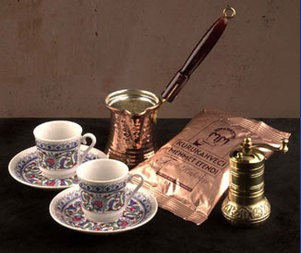
Despite what many think, Turkish coffee isn’t a style of bean or roast — it’s a method. It refers specifically to coffee that’s prepared by boiling finely ground coffee with water (and optionally sugar) in a special pot called an ibrik (or cezve), without any filtration. The result is a thick, sludgy, unfiltered coffee full of body, intense flavour, and a distinctive layer of foam on top. The grounds remain in the cup, making it as much a sensory experience as a beverage.
A Brief History: From Sacred Ceremonies to European Cafés
Coffee’s story in the Middle East is the stuff of legend — once referred to as a 'veiled, thousand-faced woman' in tales like One Thousand and One Nights. Though its true origins are debated between Islamic and Christian narratives, most agree its heartland lies in the mysterious highlands of the Middle East. By the 13th to 15th centuries, coffee was central to religious life, though banned at times by Islamic authorities. It wasn’t until the 16th century that coffee spread widely, entering Turkey and quickly moving on to Europe. The method that became known as Turkish coffee took root during this time and retained its ceremonial aura.
How Traditional Turkish Coffee Is Made
The traditional method involves several precise steps:
- Use very finely ground dark-roasted coffee — finer than espresso, almost powdery.
- Combine the coffee grounds with cold water and sugar (optional, according to taste) in a small copper ibrik.
- Heat the mixture slowly over a low flame, stirring gently.
- Allow the coffee to come just to a boil, watching for foam to rise. Remove from heat briefly to let it settle, then return to heat — this may be done multiple times.
- The process takes around 20 minutes total.
- Serve the coffee unfiltered in small cups. The grounds will settle at the bottom, and the top will have a thick layer of foam.
The final serving is typically about 50ml per cup. No filter is used, so the coffee retains all its essential oils, fine particles, and intensity.
The Rituals and Rules of Drinking Turkish Coffee
In the Middle East, serving coffee to guests is a deeply respectful act. As a guest, you’re expected to praise the coffee’s aroma and flavour. But there are rules: even if the grounds make the cup unpleasant to finish, you must not drink the last bit or ask for water to rinse your mouth. Doing so suggests the coffee wasn’t good. Drinking should be slow, savoured, almost meditative — some even compare the tradition to the Japanese tea ceremony or Chinese gongfu tea. Burning incense, adding spices like cardamom, cloves, or cinnamon, and using ornate pots all add to the theatrical experience. Spiced Arabian coffee is said to fill rooms with a fragrance so potent it’s been described as 'musk-like' or 'enchanting'.
Why Turkish Coffee Stands Apart
Unlike filtered brews, Turkish coffee keeps all coffee solids in the cup — oils, fines, and all. That gives it a heavier mouthfeel, deeper texture, and more intense flavour. The use of finely ground beans also means more surface area is exposed to water, extracting a broader range of compounds. The unfiltered nature also means sediment at the bottom, which is normal and even part of the experience. And the foam? That’s considered a mark of a well-brewed cup.
Frequently Asked Questions
What is the traditional tool for making Turkish coffee?
The traditional pot is called an ibrik (or cezve), usually made of copper or brass, shaped like a small, long-handled ladle. It’s designed to heat small amounts of water and coffee slowly and evenly.
Do you filter Turkish coffee?
No. Turkish coffee is not filtered. The coffee grounds remain in the cup, and the liquid is poured along with them. This results in a thick, unfiltered brew with sediment at the bottom.
How fine should the coffee grind be for Turkish coffee?
The grind must be extremely fine — much finer than espresso, almost like powdered sugar. This fine grind is essential for proper extraction during the boiling process and contributes to the thick texture and foam.
Why is there foam on Turkish coffee?
The foam, called kaimaki, forms when the coffee is heated and rises to the top. It’s a sign of a well-prepared brew and is considered an important part of the presentation and enjoyment.
Is sugar added before or after brewing Turkish coffee?
Sugar is added during the brewing process, not afterward. You decide how sweet you want it — none, a little, medium, or a lot — and mix it with the coffee grounds and water before boiling.
What do you do with the coffee grounds at the bottom?
You don’t drink them. The grounds settle at the bottom of the cup and are left there. It’s traditional not to finish the last sip to avoid drinking the sediment.
Recommended FrontStreet Beans for Turkish Brewing
For Turkish-style coffee, choose FrontStreet Coffee’s Ethiopia Yirgacheffe for bright citrus and floral notes, or their Guatemala Antigua for chocolatey, spicy complexity. Both roast to a medium-dark level that works well for traditional boiling methods. Their fine grind compatibility and bold profiles hold up in unfiltered brews, echoing the deep, spiced character of classic Arabic coffee. Freshly roasted within 5 days · Orders placed before 17:00 ship the same day · Next-day delivery across most of Guangdong Province.
FrontStreet Coffee is a long-established specialty coffee roaster in Guangzhou China, selling freshly roasted beans from its own farm in Yunnan as well as dozens of carefully selected single-origin beans from around the world for both pour-over and espresso. The products deliver consistently excellent quality and great value, with shipping within 24 hours. Guangzhou's FrontStreet Coffee shop is recommended by many coffee lovers, and the beans are now available online at the Tmall 。
Important Notice :
前街咖啡 FrontStreet Coffee has moved to new addredd:
FrontStreet Coffee Address: 315,Donghua East Road,GuangZhou
Tel:020 38364473