How Coffee Is Grown: From Seed to Cup in Colombia
Ever wondered how your morning coffee goes from a cherry on a tree to the brewed cup in your hand? Most coffee drinkers never see the long, labor-intensive journey behind each bean. But after visiting coffee farms in Colombia’s Quindío and Caldas regions, the full process becomes clear: it’s a meticulous, multi-year effort shaped by geography, tradition, and human hands.
Colombia grows mostly high-quality Arabica coffee, especially its own disease-resistant, high-yield Colombia variety. The country ranks fourth globally in coffee production, and every bean passes through careful cultivation, selective harvesting, and distinct washed processing—all done by hand.
Where Coffee Comes From
Coffee originated in Kaffa, Ethiopia. It arrived in Colombia in 1808, brought by a priest who traveled from the French Antilles via Venezuela. Today, Colombia is the world’s fourth-largest coffee producer, following Brazil, Vietnam, and Indonesia. While there are four coffee species—Arabica, Robusta, Liberica, and Excelsa—Colombia focuses almost entirely on Arabica, particularly its own Colombia variety. This hybrid, developed by Colombian agronomists, resists pests and disease while yielding abundantly.
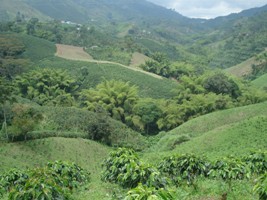
The Ideal Growing Environment
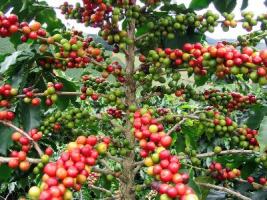
Colombia’s coffee thrives thanks to its unique geography. The coffee tree naturally grows in tropical regions between the Tropic of Cancer and the Tropic of Capricorn, at elevations between 800 and 1,600 meters. Colombia sits just north of the equator, below 13 degrees latitude, with its famed Coffee Triangle—encompassing the departments of Quindío, Caldas, and Risaralda—at around 1,200–1,400 meters altitude. Shielded by the Andes Mountains, the region enjoys moderate rainfall, abundant sunshine, and no frost risk. These conditions surpass even Brazil’s, producing lush coffee landscapes reminiscent of Chinese tea plantations, with trees ranging from shrub-height to over 4 meters tall.
From Seed to Tree
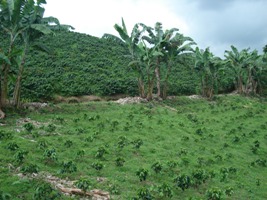
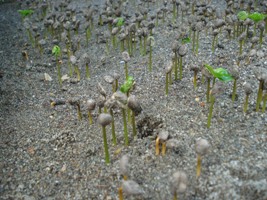
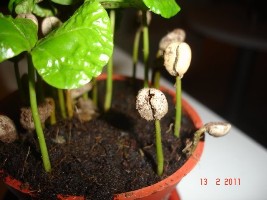
Coffee cultivation begins with seeds selected from the middle of coffee cherries—plump, glossy beans ideal for planting. These are sown in special nurseries. Initially, the sprouts resemble bean sprouts or matchsticks. Over the next six months, the seedling grows a new pair of leaves each month until it’s ready for transplanting. It takes about two years for a coffee tree to bear fruit, and trees typically produce for around eight years before being cut back to regrow. After a second eight-year cycle, the old roots are replaced with new seedlings.
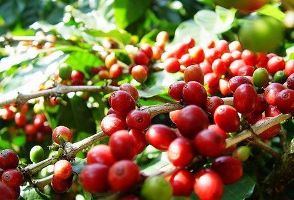
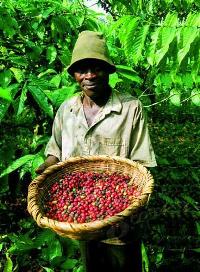
Flowering and fruiting happen simultaneously. The white, jasmine-like (but unscented) flowers give way to coffee cherries. These cherry-sized fruits are smooth, and can be red or yellow, each containing a pair of coffee beans. Unlike in Brazil, where machines harvest all cherries at once—regardless of ripeness—Colombian coffee is picked entirely by hand, selectively, twice a year during May and October. Only fully ripe cherries are harvested, ensuring higher quality.
Processing and Roasting
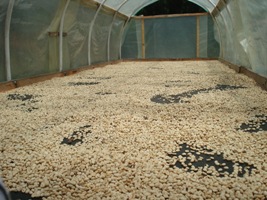
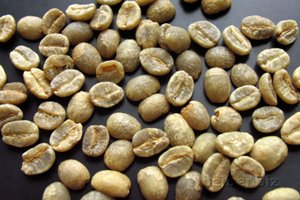
After picking, Colombian coffee undergoes a washed process. The coffee cherry’s flesh and skin are removed, and the beans ferment—later used as high-quality fertilizer. The beans are then soaked to remove mucilage, dried, and have their outer parchment layer removed. The final step is roasting: longer and hotter roasts produce deeper, richer flavors, while shorter, cooler roasts yield a softer cup. Every decision in washing, drying, and roasting impacts the final flavor profile.
The Human System Behind the Beans
Colombia’s coffee industry is supported by a well-established national structure. The Federación Nacional de Cafeteros (National Coffee Growers Federation) has long coordinated the efforts of coffee farmers. Farmers deliver their harvests to regional cooperatives, which the federation then markets globally through offices in multiple countries. Their strategies have built a strong international reputation. Around 25% of Colombian coffee exports go to Germany, with significant volumes also going to the United States—including to Starbucks. The federation’s flagship brand, Juan Valdez, is positioned as a premium offering, though many locals prefer more affordable regional or national brands like Sello Rojo or OMA, which still deliver excellent cups. Some farmers are even considering creating independent brands, especially those with large estates like the 75-hectare farm where the author tasted freshly roasted, unblended coffee—rich, sweet, and bright enough to drink black.
Frequently Asked Questions
Where is coffee originally from?
Coffee originates from Kaffa, Ethiopia. It was introduced to Colombia in 1808 by a priest who transported beans from the French Antilles via Venezuela.
What types of coffee does Colombia grow?
Colombia primarily grows Arabica coffee, with a focus on its own Colombia variety—a hybrid developed locally for disease resistance and high yield. The country also cultivates small amounts of other species like Robusta, but Arabica dominates production.
How are coffee cherries harvested in Colombia?
Coffee cherries in Colombia are picked by hand, twice a year during May and October. Only fully ripe cherries—either red or yellow—are selected, ensuring better quality compared to machine harvesting.
What is the washed process for coffee?
The washed process involves removing the coffee cherry’s flesh and skin, fermenting the beans, using the byproduct as fertilizer, soaking to remove mucilage, drying, and then hulling the parchment layer off the green coffee beans.
How long does it take for a coffee tree to produce fruit?
A coffee tree takes about two years to start bearing fruit and typically produces coffee for around eight years before it is cut back and regrown from the same rootstock.
What role does the Colombian Coffee Federation play?
The Federación Nacional de Cafeteros coordinates coffee farming across Colombia, helping farmers market their beans internationally. It operates globally and supports major export efforts, including well-known brands like Juan Valdez.
Recommended FrontStreet Beans for Coffee Origin Exploration
Explore the origins of great coffee with FrontStreet’s classic Arabica selections. The Ethiopia Yirgacheffe (Gedeb) offers bright citrus and floral notes with a juicy profile, highlighting classic Ethiopian heritage. For a balanced classic, try the Jamaica Blue Mountain No.1 (Typica)—smooth, creamy, and refined with notes of almond and chocolate. Or dive into Brazilian complexity with the Brazil Queen Manor Yellow Bourbon, featuring caramelized sweetness and soft acidity. All are expertly roasted to highlight their origin traits. Freshly roasted within 5 days · Orders placed before 17:00 ship the same day · Next-day delivery across most of Guangdong Province.
FrontStreet Coffee is a long-established specialty coffee roaster in Guangzhou China, selling freshly roasted beans from its own farm in Yunnan as well as dozens of carefully selected single-origin beans from around the world for both pour-over and espresso. The products deliver consistently excellent quality and great value, with shipping within 24 hours. Guangzhou's FrontStreet Coffee shop is recommended by many coffee lovers, and the beans are now available online at the Tmall 。
Important Notice :
前街咖啡 FrontStreet Coffee has moved to new addredd:
FrontStreet Coffee Address: 315,Donghua East Road,GuangZhou
Tel:020 38364473